
Modernity as dialogue
A major international exhibition marking the sixtieth anniversary of the artist’s death, exploring Gino Severini’s role as a mediator between cultures, artistic languages, and twentieth-century visions.
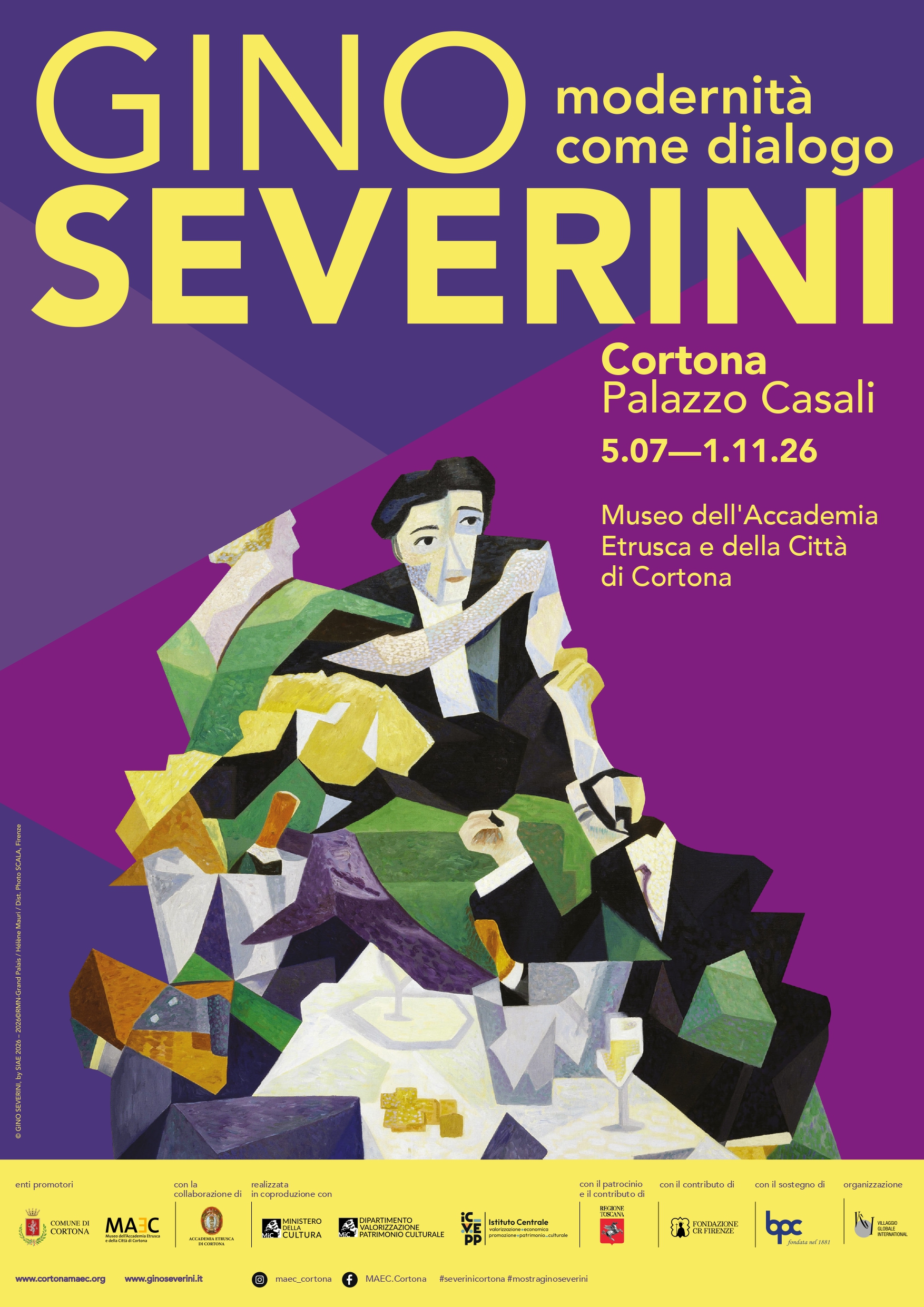
From 5 July to 1 November 2026, the MAEC – Museum of the Etruscan Academy and the City of Cortona presents a major international exhibition dedicated to Gino Severini, one of the leading figures of twentieth-century art, commemorating the sixtieth anniversary of his death.
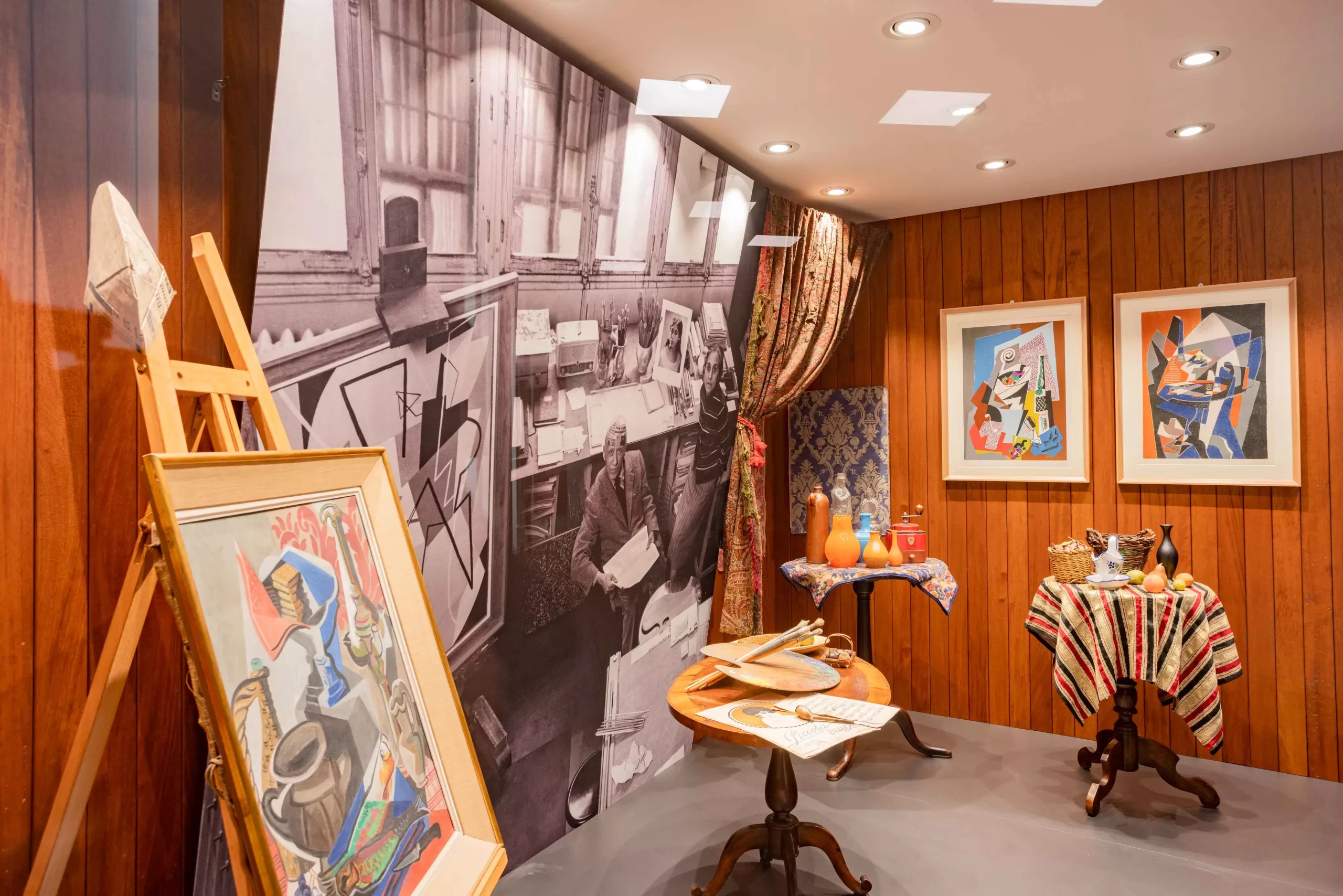
Born in Cortona in 1883, Severini was a central figure of the European avant-garde and one of the leading exponents of Futurism. Gino Severini. Modernity as Dialogue offers a fresh interpretation of his artistic and personal journey, highlighting his role as a mediator between different worlds: Italy and France, tradition and innovation, the avant-garde and classicism, modern art and spirituality.
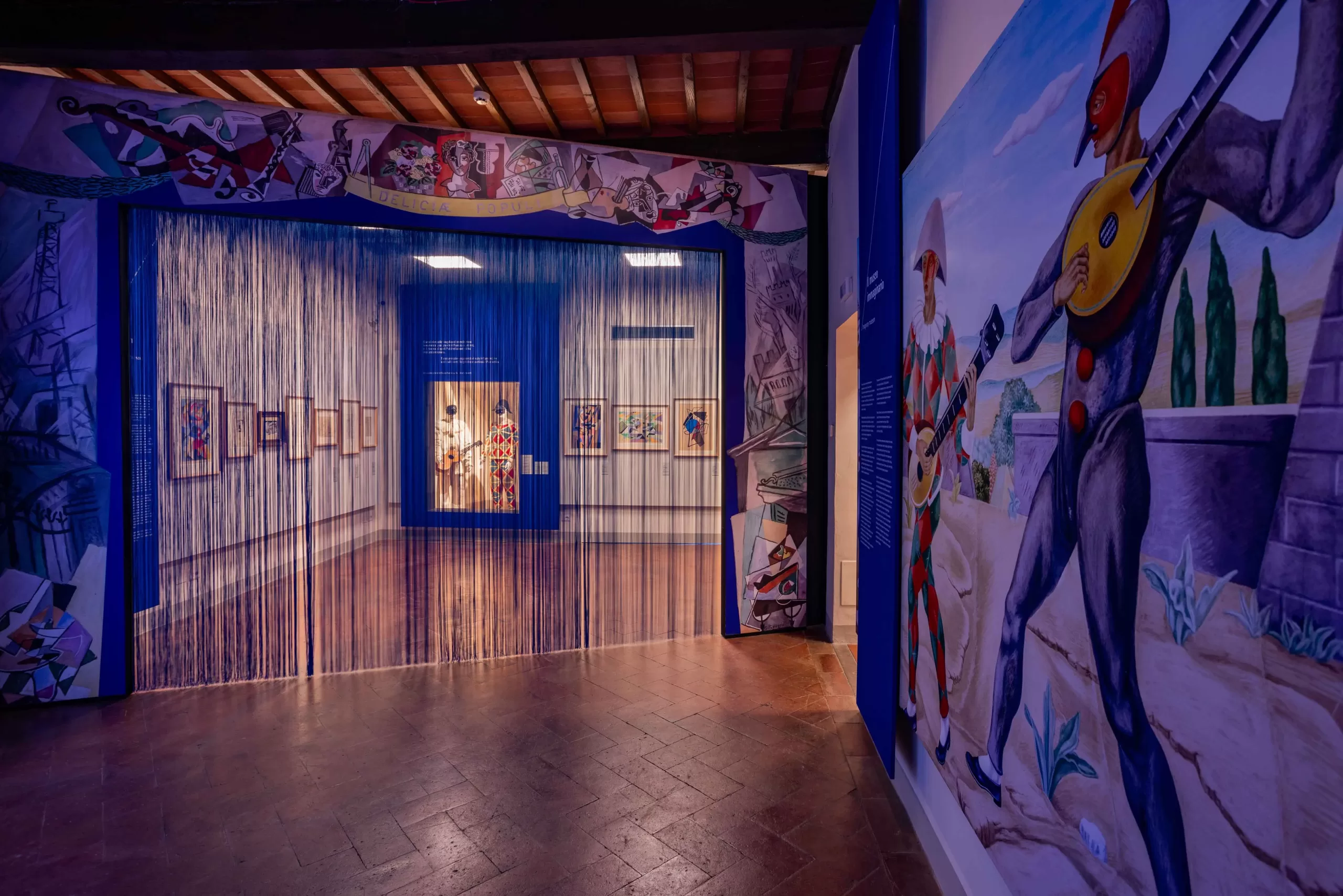
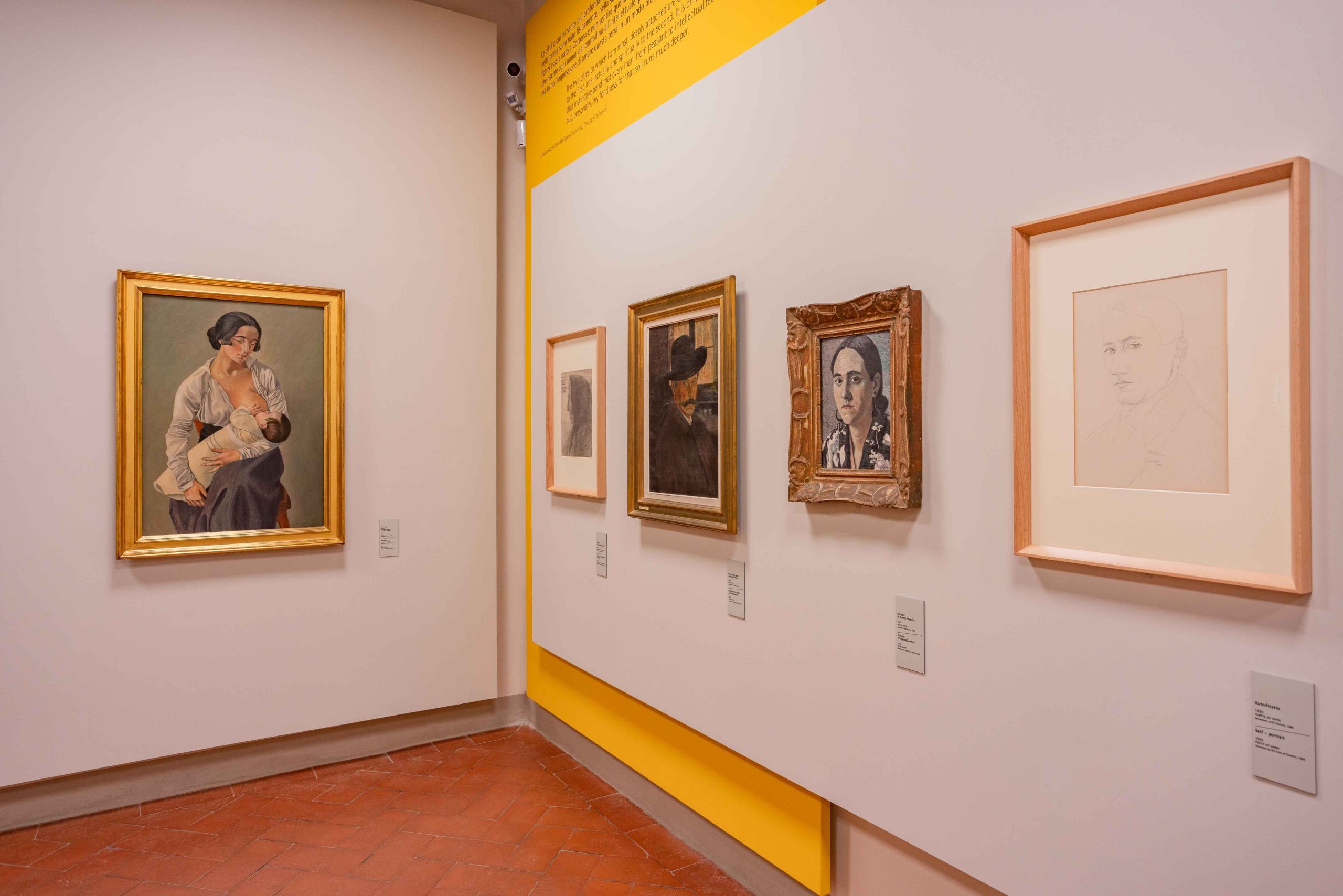
Curated by Daniela Fonti and Margherita d’Ayala Valva, the exhibition brings together more than eighty works, including paintings, drawings, documents, and archival materials from major Italian and international museums, among them the Centre Pompidou in Paris, the Estorick Collection in London, the Musée d’Art et d’Industrie in Saint-Étienne, the Museo del Novecento in Milan, the Vatican Pinacoteca, the MART – Museum of Modern and Contemporary Art of Trento and Rovereto, as well as numerous private collections.
Among the highlights is the monumental painting La danse du Pan Pan à Monico, on loan from the Centre Pompidou. A symbol of Severini’s Futurist period, the work returns to Italy for the first time in more than thirty-five years, offering visitors a unique opportunity to admire one of the artist’s most celebrated masterpieces.
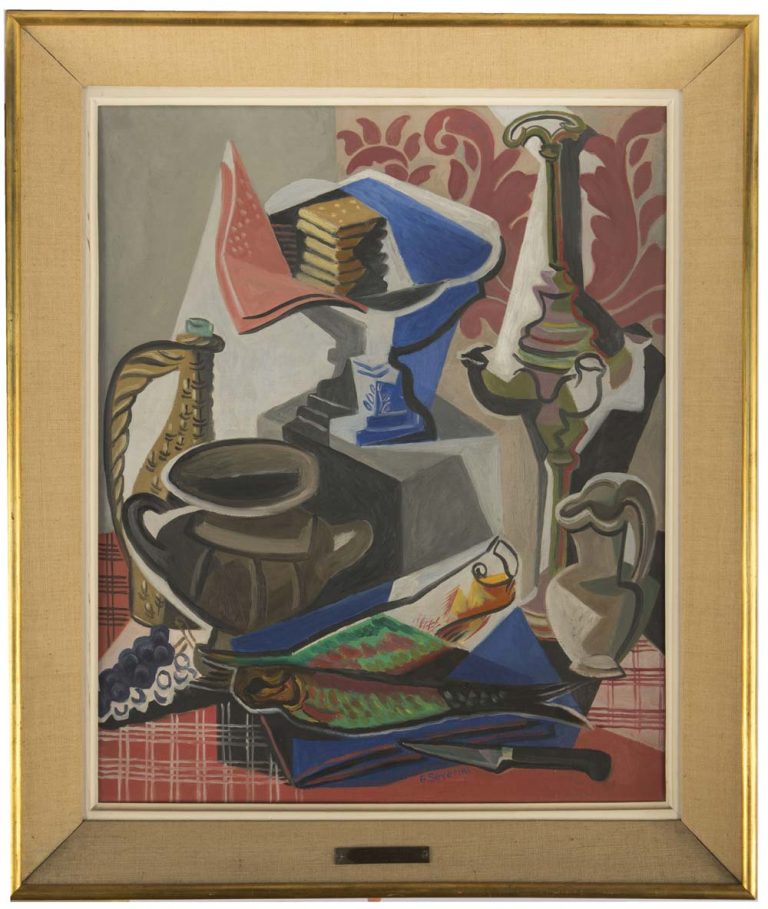
The exhibition unfolds through five thematic sections tracing the key stages of Severini’s artistic development. From his early Divisionist experiences and his first years in Paris, through Futurism and his dialogue with Cubism, to his return to classicism and his reflections on the relationship between art and architecture, the exhibition reveals the complexity of an artist who continuously engaged with the challenges of his time.
Special attention is devoted to Severini’s relationships with some of the most influential figures of twentieth-century European culture, including Umberto Boccioni, Giacomo Balla, Carlo Carrà, Ardengo Soffici, and Pablo Picasso. Through artworks, documents, and direct comparisons, the exhibition highlights the decisive role played by the Cortona-born artist in fostering dialogue among the leading international avant-garde movements.
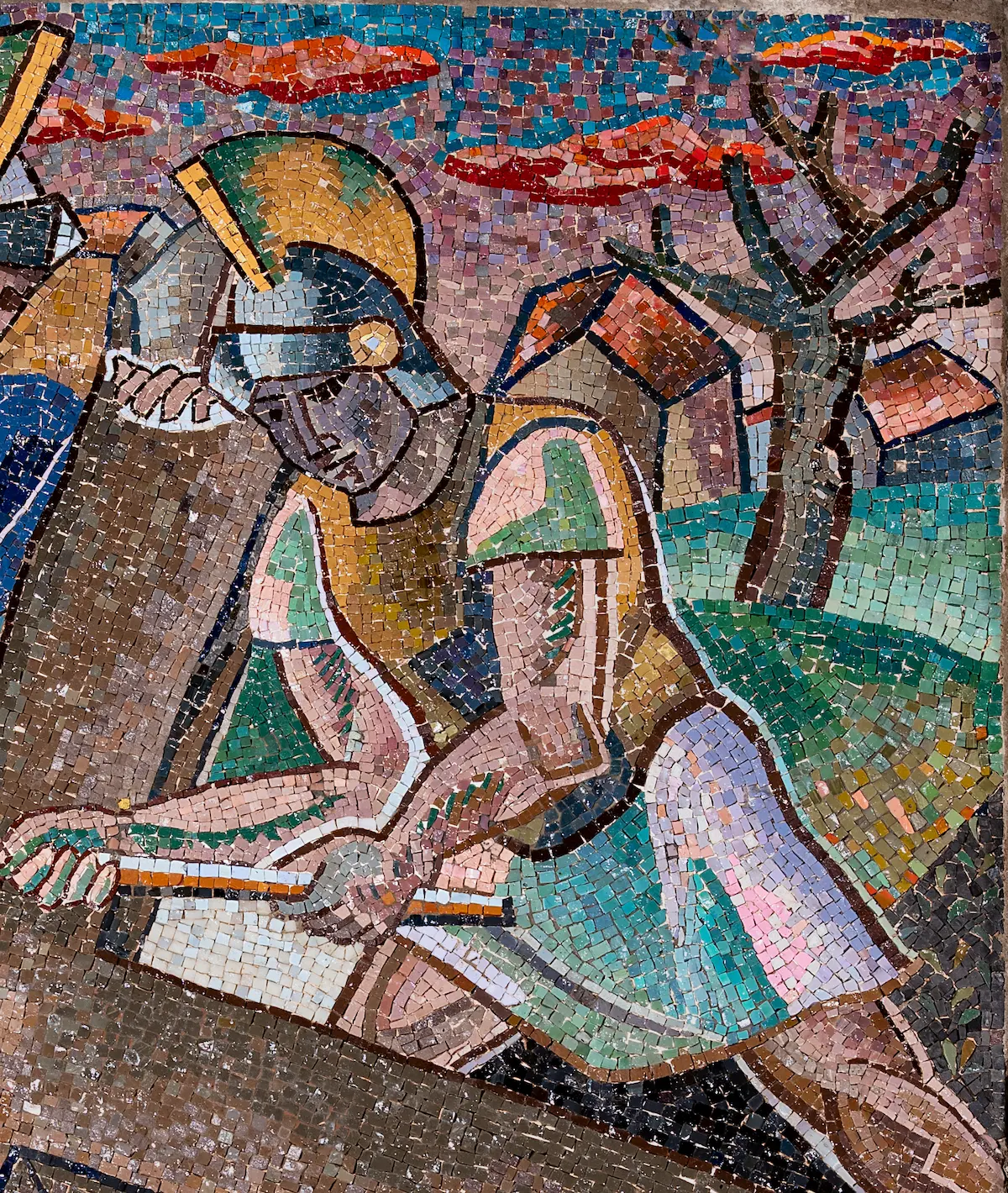
A further section explores Severini’s religious and monumental production of his mature years, drawing on new scholarly research. For the first time, the exhibition reconstructs his extensive work on mural decorations created for numerous churches in French-speaking Switzerland between the 1920s and the 1940s, demonstrating his effort to reconcile modern artistic languages with the Christian tradition.
The exhibition concludes with Severini’s return to Cortona and the lifelong bond he maintained with his hometown. This enduring relationship is reflected in the museum’s permanent galleries dedicated to the artist, the Severini itineraries throughout the town, and the celebrated Via Crucis preserved in Cortona’s historic centre, inviting visitors to continue their experience beyond the exhibition itself.
Gino Severini. Modernity as Dialogue is not only a tribute to one of the greatest artists of the twentieth century, but also an opportunity to rediscover the profound connection between Cortona and a figure who helped redefine the language of modern art on an international scale.