

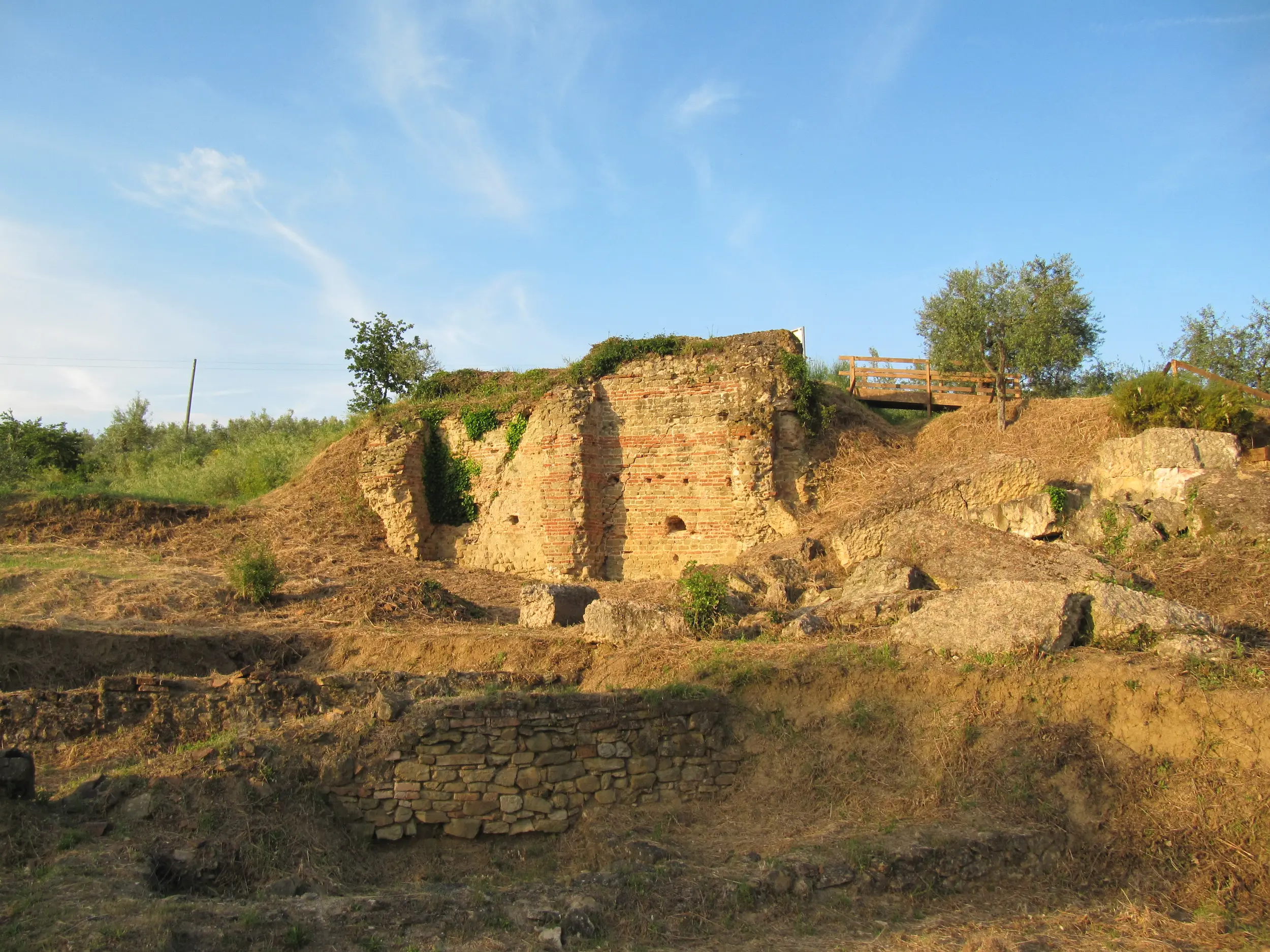
The Roman Villa of Ossaia is located not far from Cortona, on the hillside, along the road leading towards Lake Trasimeno. Today only some perimeter walls and the water-collection cistern are still visible, while all the other structural parts, for conservation reasons, have been reburied. However, it is possible to understand the entire layout of the villa and its building phases through a structured path with explanatory panels.
The main structure of the complex dates to the late Republican period (1st century BC) and extends over a total area of approximately 1,000 square metres. The villa was inhabited for a very long period, until the beginning of the Middle Ages (5th century AD).
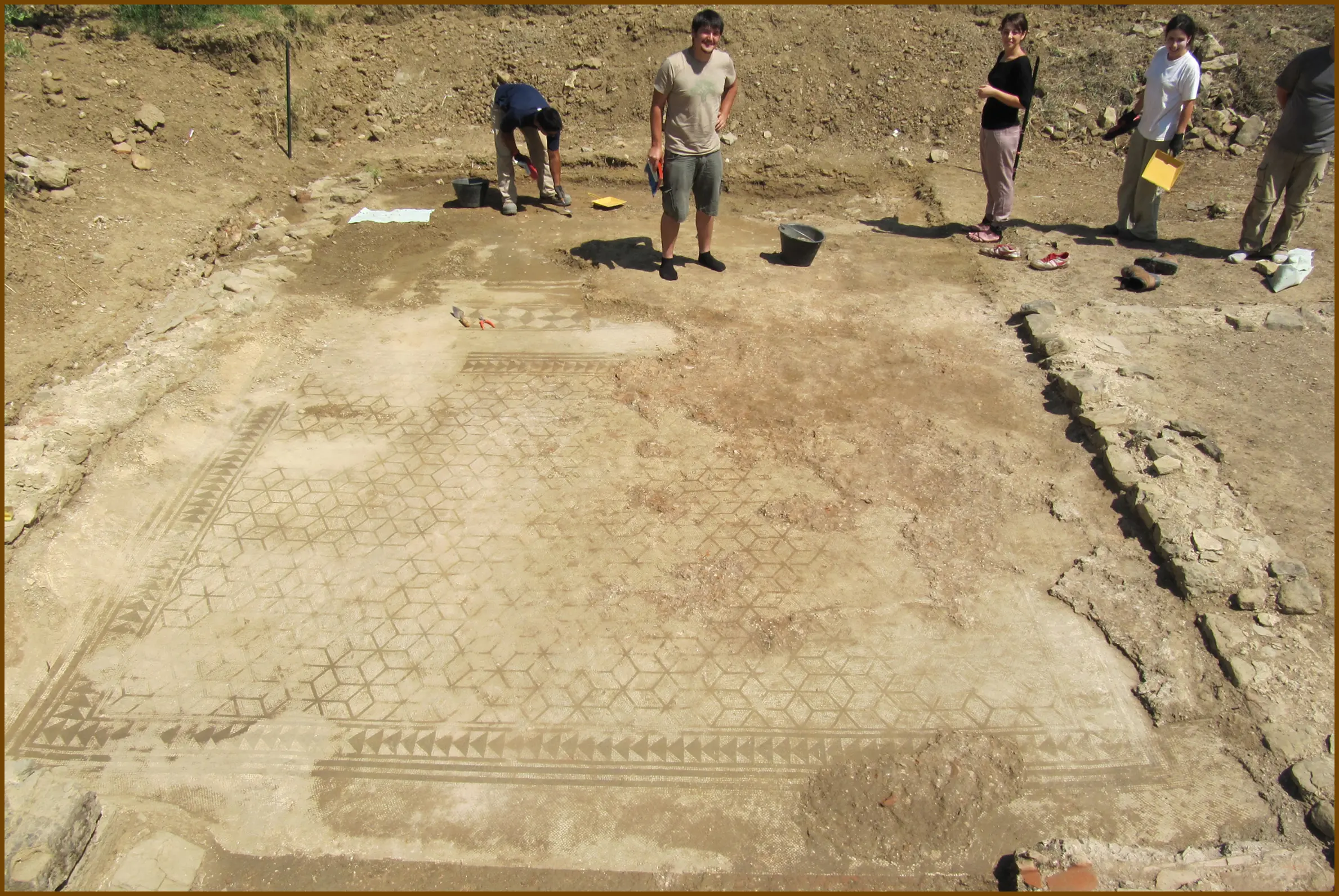
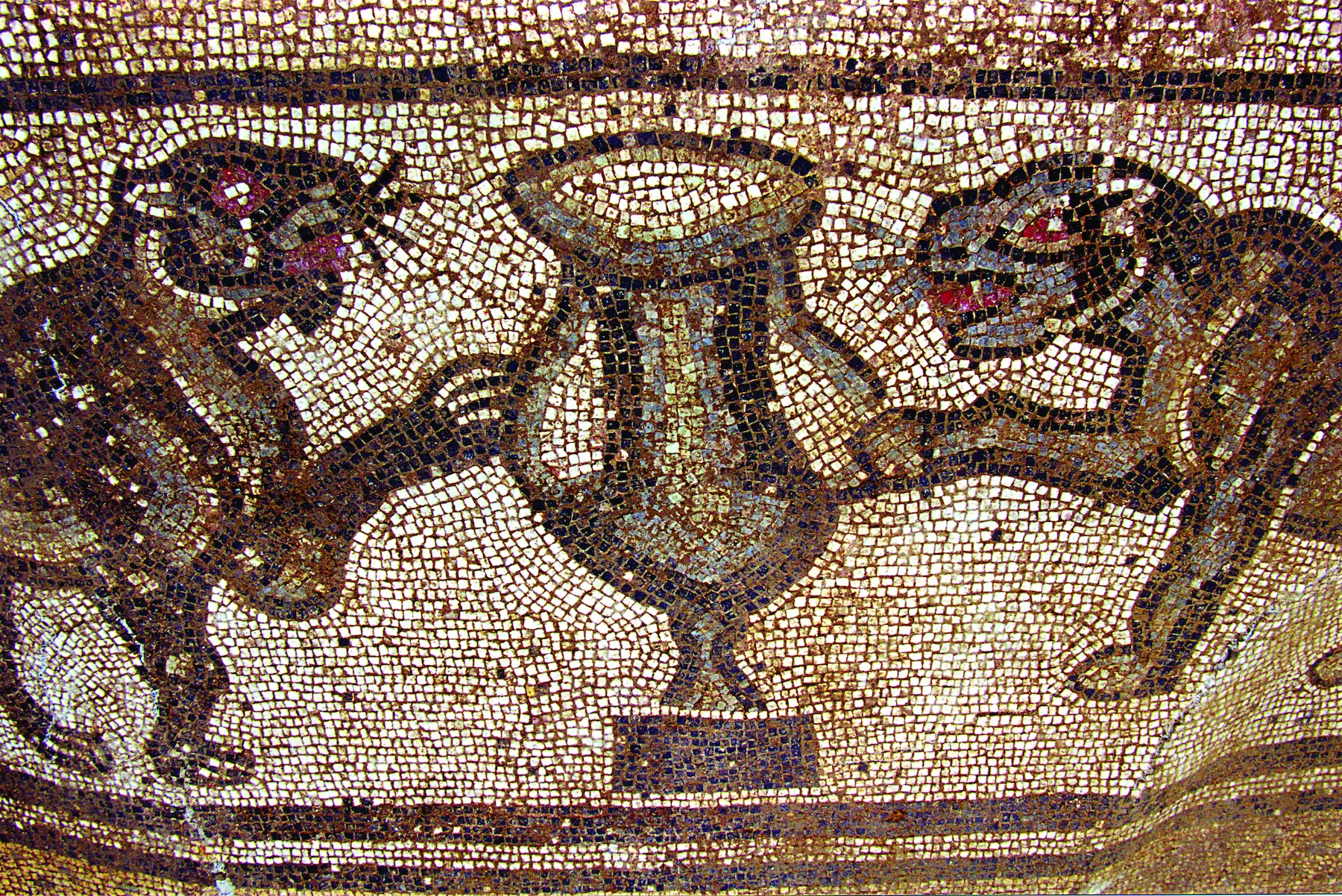
Excavations of the villa began in 1992, starting from the already visible water cistern, and brought to light the entire masonry structure of the villa and some of its treasures, such as the grand mosaics and other everyday objects, now visible at the MAEC Museum.
Discover more
The villa was already known in the eighteenth century. Excavations began in 1992, carried out by the Canadian University of Edmonton (Alberta) and the University of Perugia, which brought back to light the remains of a grand imperial villa located along one of the main routes between the Perugian and Cortonese territories. The structures excavated so far belong to three main phases of occupation of the site, marking as many historical moments of development and structural change.
The first phase, datable between the beginning of the 1st century BC and the 2nd century AD, has the characteristics of a late Republican layout that includes an elongated block on a main terrace and a large porticoed pavilion decorated with a black-and-white mosaic.
The second building phase, datable between the 1st and 3rd centuries AD, documents the transformation of some parts of the villa from residential to productive use.
The third phase, which shows continuity of life at the villa until the mid-5th century AD, documents the restructuring of some parts.. From the Julio-Claudian period onwards, the villa changed ownership and its appearance was modified by the construction of elements that altered the size of the original rooms and by drainage channels that cut through the elegant mosaics.
Between the 2nd and 1st centuries BC in Etruria there was a transition from a countryside inhabited by small farms to a gradual decrease in density with a progressive merging of properties or their replacement in favour of new Latin settlers.From the 1st century BC onwards, many slave-based villas replaced the small property typical of the landscape, acquiring the monopoly of almost all cultivated land.
Information and accessibility
The monuments of the Parco diffuso can be visited independently.
Please note that the area does not offer routes suitable for visitors with reduced mobility; the ground may be uneven, so comfortable footwear is recommended. There are no water sources along the route.
For information contact the MAEC:
0575 630415
Cultural Itineraries
La Villa romana di Ossaia is included in one of the MAEC Cultural Itineraries on izi.TRAVEL.