

Museum Masterpieces
The Etruscan Lamp of Cortona, a bronze masterpiece dating to the 5th century BC, was discovered in 1840 in the locality of Fratta and acquired by the Accademia Etrusca after a long negotiation. Richly decorated with mythological motifs, it was most likely used in sacred contexts. Today it is one of the most renowned and significant works of the MAEC, an extraordinary example of Etruscan bronze craftsmanship for both its technical refinement and symbolic value.
Museum Masterpieces
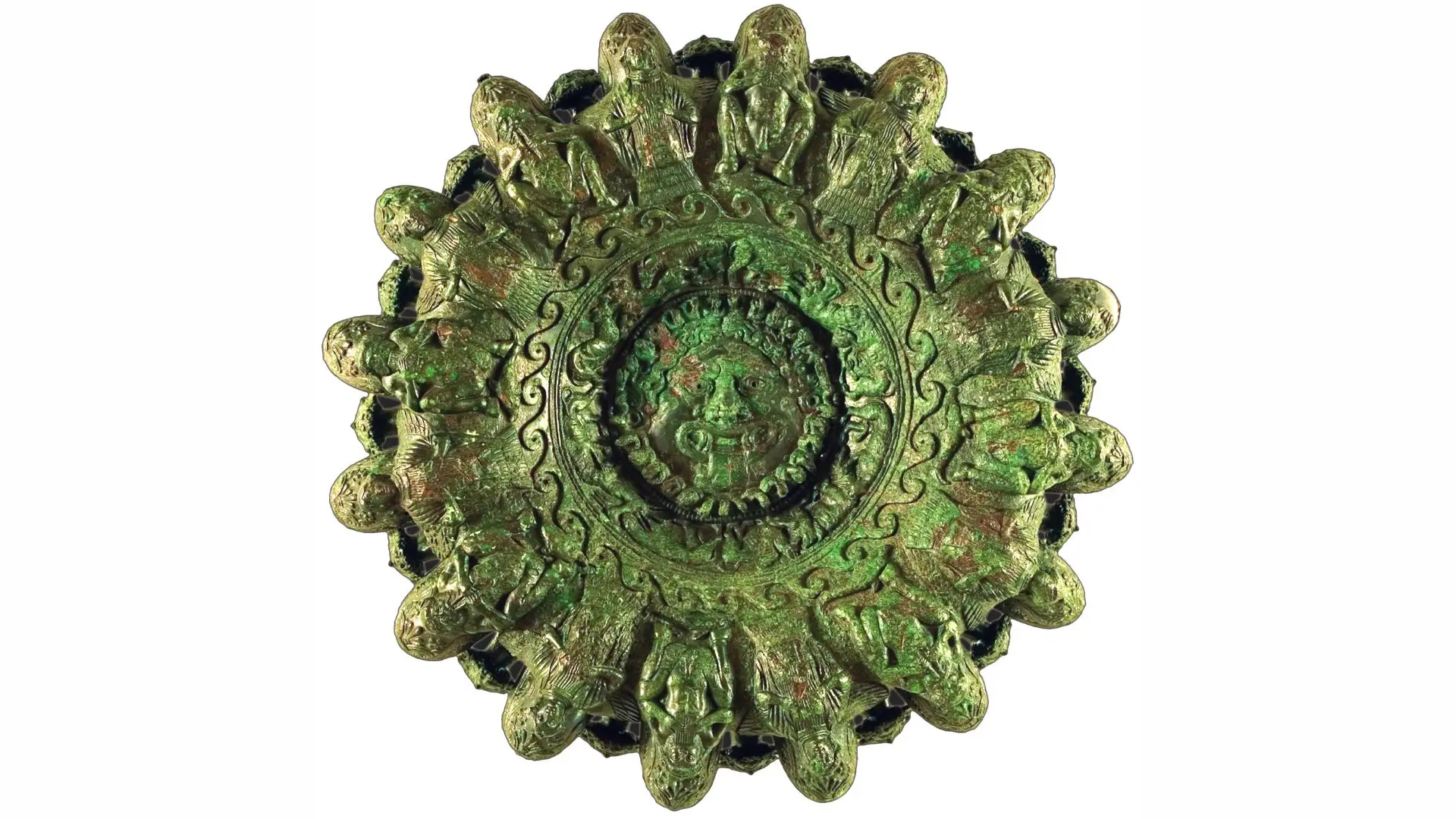
The Etruscan Lamp of Cortona, a bronze masterpiece dating to the 5th century BC, was discovered in 1840 in the locality of Fratta and acquired by the Accademia Etrusca after a long negotiation. Richly decorated with mythological motifs, it was most likely used in sacred contexts. Today it is one of the most renowned and significant works of the MAEC, an extraordinary example of Etruscan bronze craftsmanship for both its technical refinement and symbolic value.
The Etruscan temple
The Lamp was originally placed in an Etruscan temple, a sacred building dedicated to the gods, characterized by a rectangular plan and a բարձր raised access platform. Unlike Greek temples, it featured a single columned façade and often three inner cellae. Built with perishable materials such as wood and terracotta, only the stone foundations survive today. Near the Lamp, a small inscribed plaque was also discovered plaque.
The Etruscan temple
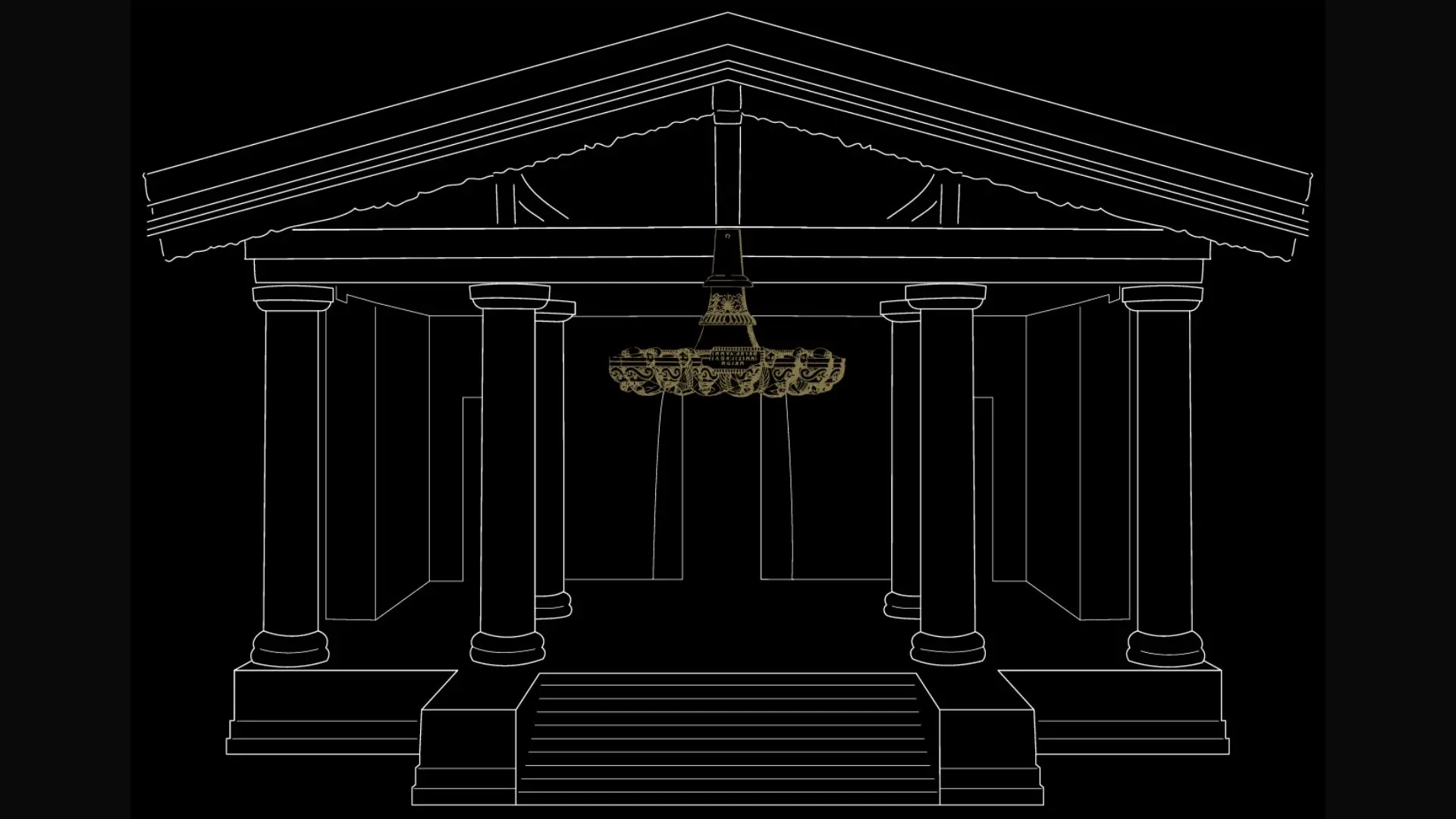
The Lamp was originally placed in an Etruscan temple, a sacred building dedicated to the gods, characterized by a rectangular plan and a բարձր raised access platform. Unlike Greek temples, it featured a single columned façade and often three inner cellae. Built with perishable materials such as wood and terracotta, only the stone foundations survive today. Near the Lamp, a small inscribed plaque was also discovered plaque.
Achelous
Starting from the outermost rim of the basin and moving inward, one encounters 16 protomes of Achelous alternating with 16 spouts decorated with palmettes. In Etruscan culture, Achelous symbolized the power of water and fertility, and was associated with the passage between life and death.
Achelous
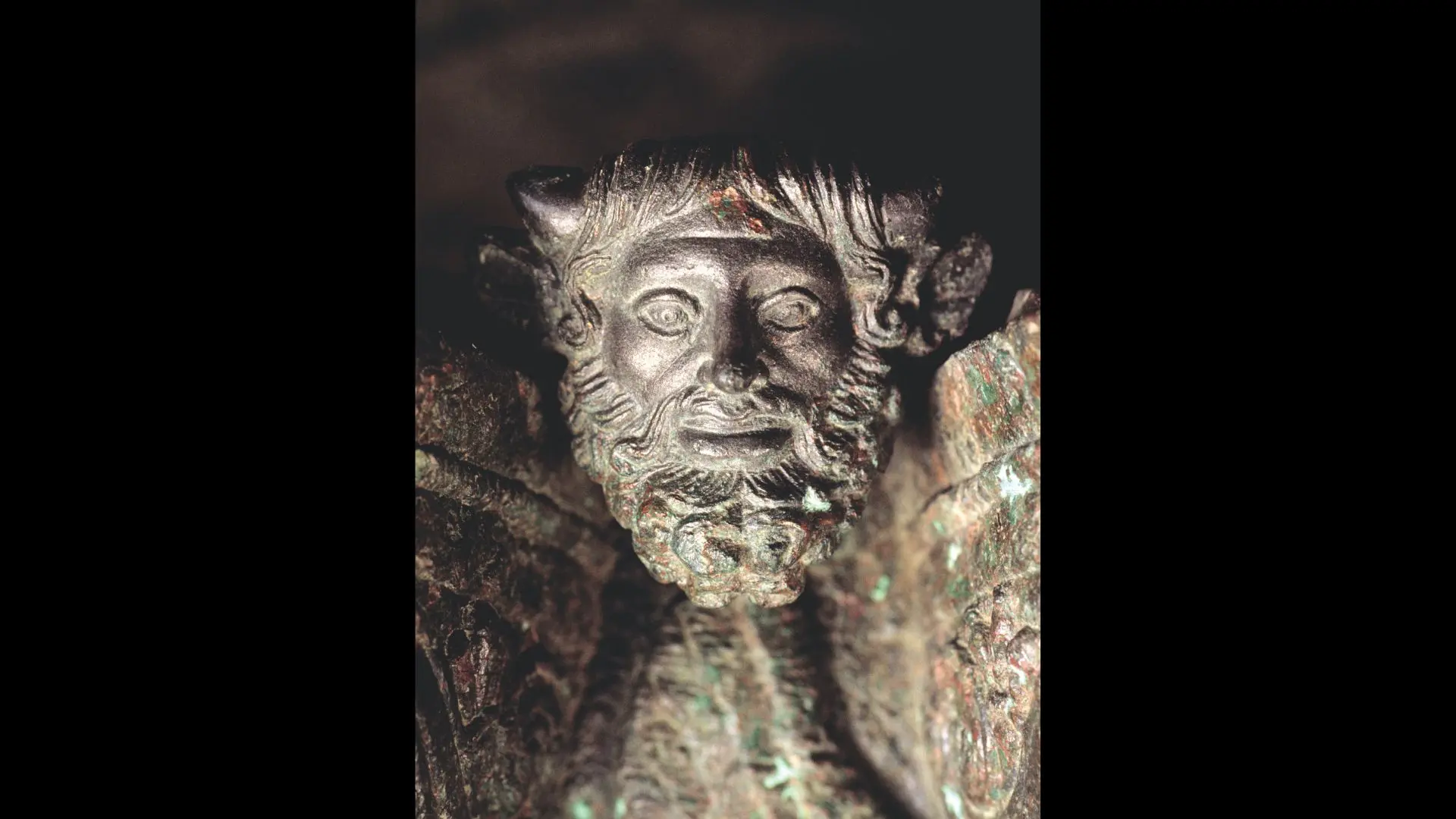
Starting from the outermost rim of the basin and moving inward, one encounters 16 protomes of Achelous alternating with 16 spouts decorated with palmettes. In Etruscan culture, Achelous symbolized the power of water and fertility, and was associated with the passage between life and death.
Sirens
Beneath each of the sixteen spouts appear eight winged sirens with outstretched wings and hands resting on their chests, each alternating with eight ithyphallic satyrs.
The sirens are traditionally charged with ambiguity: through their song they could bring joy, foretell the future, and also herald death. At the same time, they were regarded as guardians of the deceased’s memory and as guides escorting souls to the afterlife.
According to Pythagorean doctrine, the eight notes emitted by each siren together formed the harmony of the celestial spheres, themselves composed of eight heavens.
Sirens
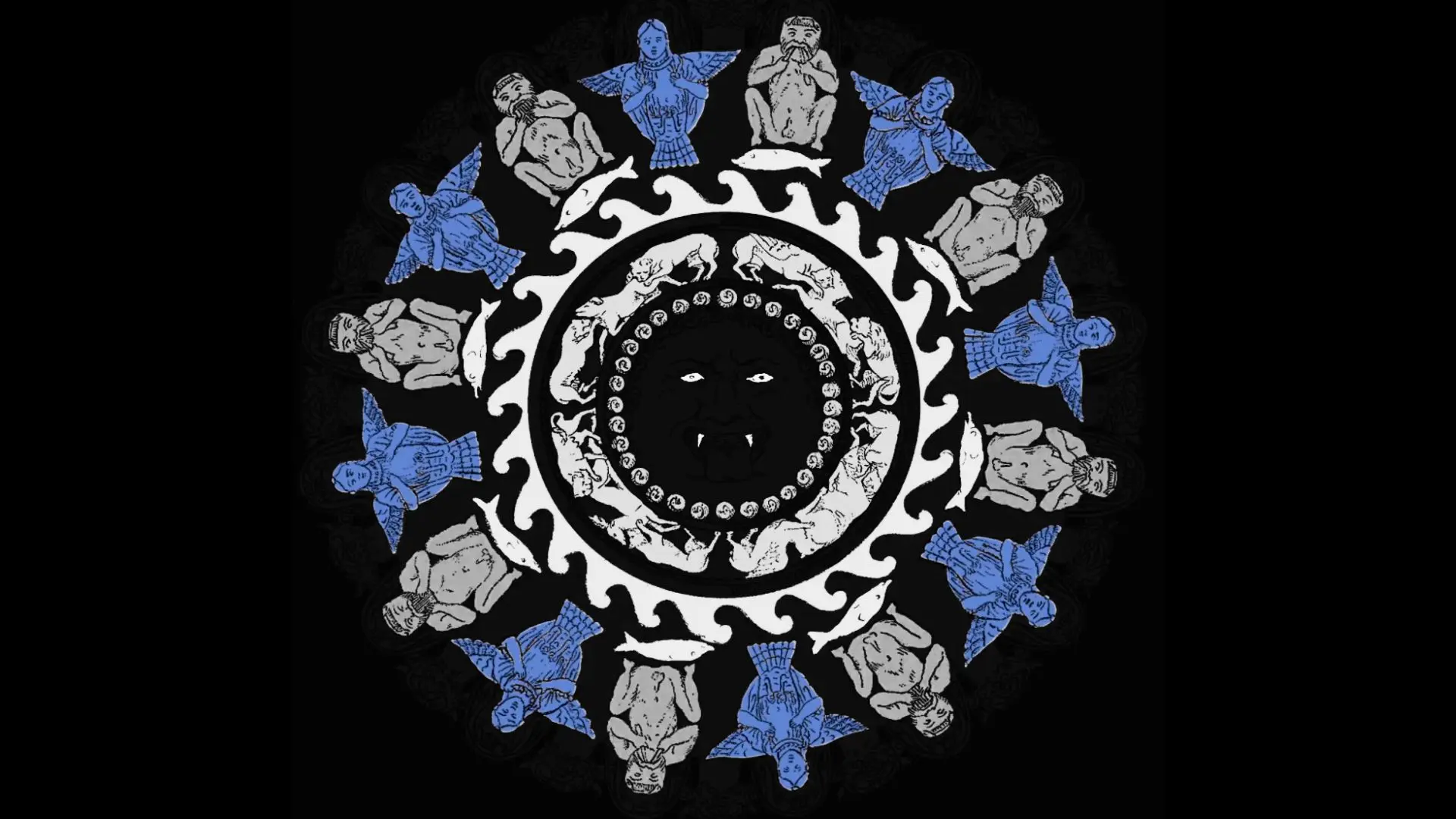
Beneath each of the sixteen spouts appear eight winged sirens with outstretched wings and hands resting on their chests, each alternating with eight ithyphallic satyrs.
The sirens are traditionally charged with ambiguity: through their song they could bring joy, foretell the future, and also herald death. At the same time, they were regarded as guardians of the deceased’s memory and as guides escorting souls to the afterlife.
According to Pythagorean doctrine, the eight notes emitted by each siren together formed the harmony of the celestial spheres, themselves composed of eight heavens.
Satyrs
Eight ithyphallic satyrs, alternately playing the double aulos and the syrinx with their legs bent, appear to take part in a procession, alternating with the eight sirens. Like the sirens, their hybrid nature symbolizes the connection between the world of the living and that of the dead. In particular, the erect phallus alludes to the concept of rebirth. They belong to the celestial dimension, as they are represented in the constellation that replaces Sagittarius.
Satyrs
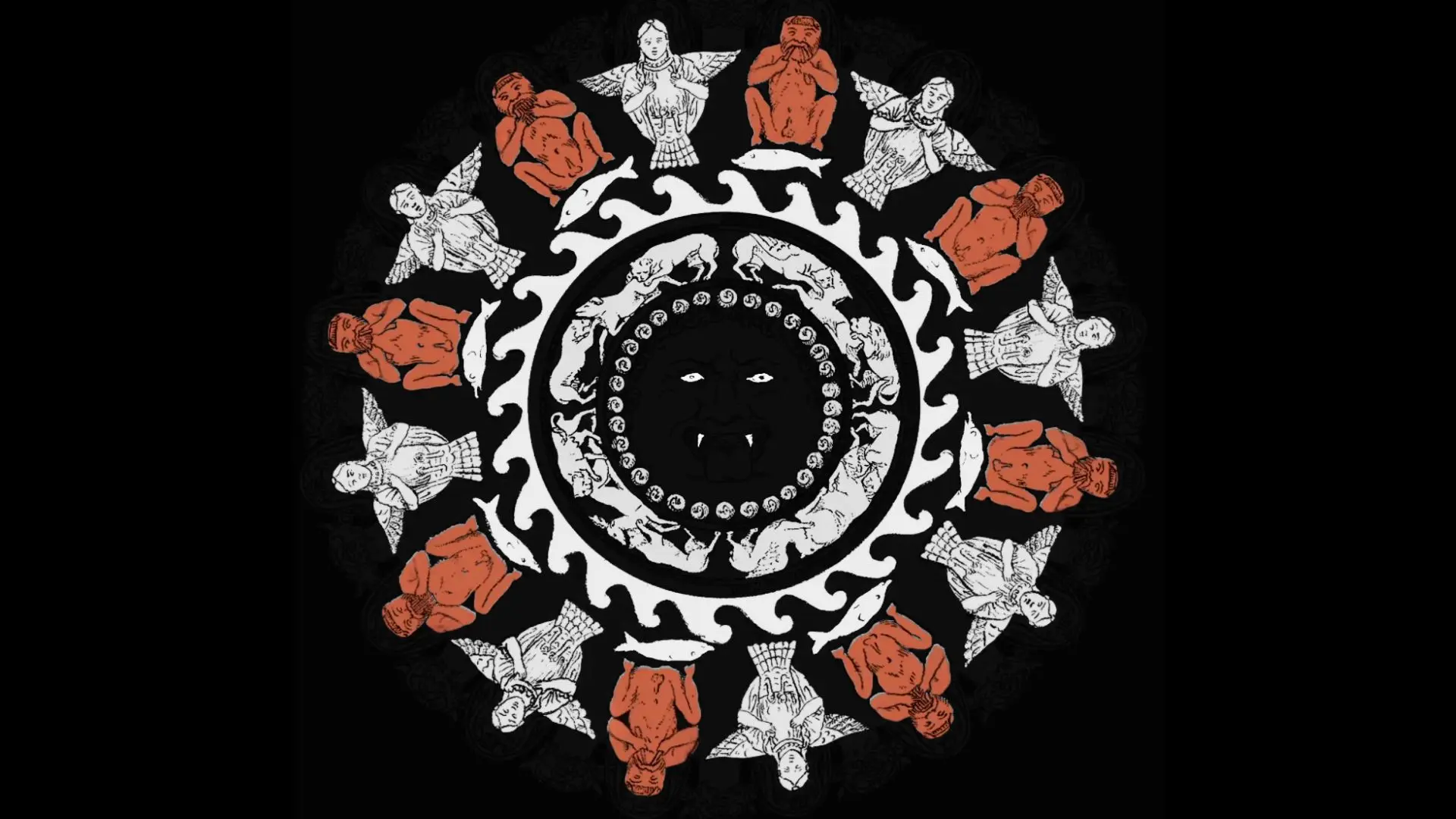
Eight ithyphallic satyrs, alternately playing the double aulos and the syrinx with their legs bent, appear to take part in a procession, alternating with the eight sirens. Like the sirens, their hybrid nature symbolizes the connection between the world of the living and that of the dead. In particular, the erect phallus alludes to the concept of rebirth. They belong to the celestial dimension, as they are represented in the constellation that replaces Sagittarius.
Dolphins
On the lamp, eight leaping dolphins appear above a marine wave. In Etruscan culture, the dolphin was a symbol rich in meaning, often associated with the sea, death, and rebirth. Frequently depicted in funerary art, it represented a guide for the soul toward the afterlife, assuming a psychopomp role.
As a creature of the sea, it also evoked purification and renewal, in keeping with the symbolic value of water for the Etruscans. The sea waves themselves symbolize the boundaries of the earthly world.
Dolphins
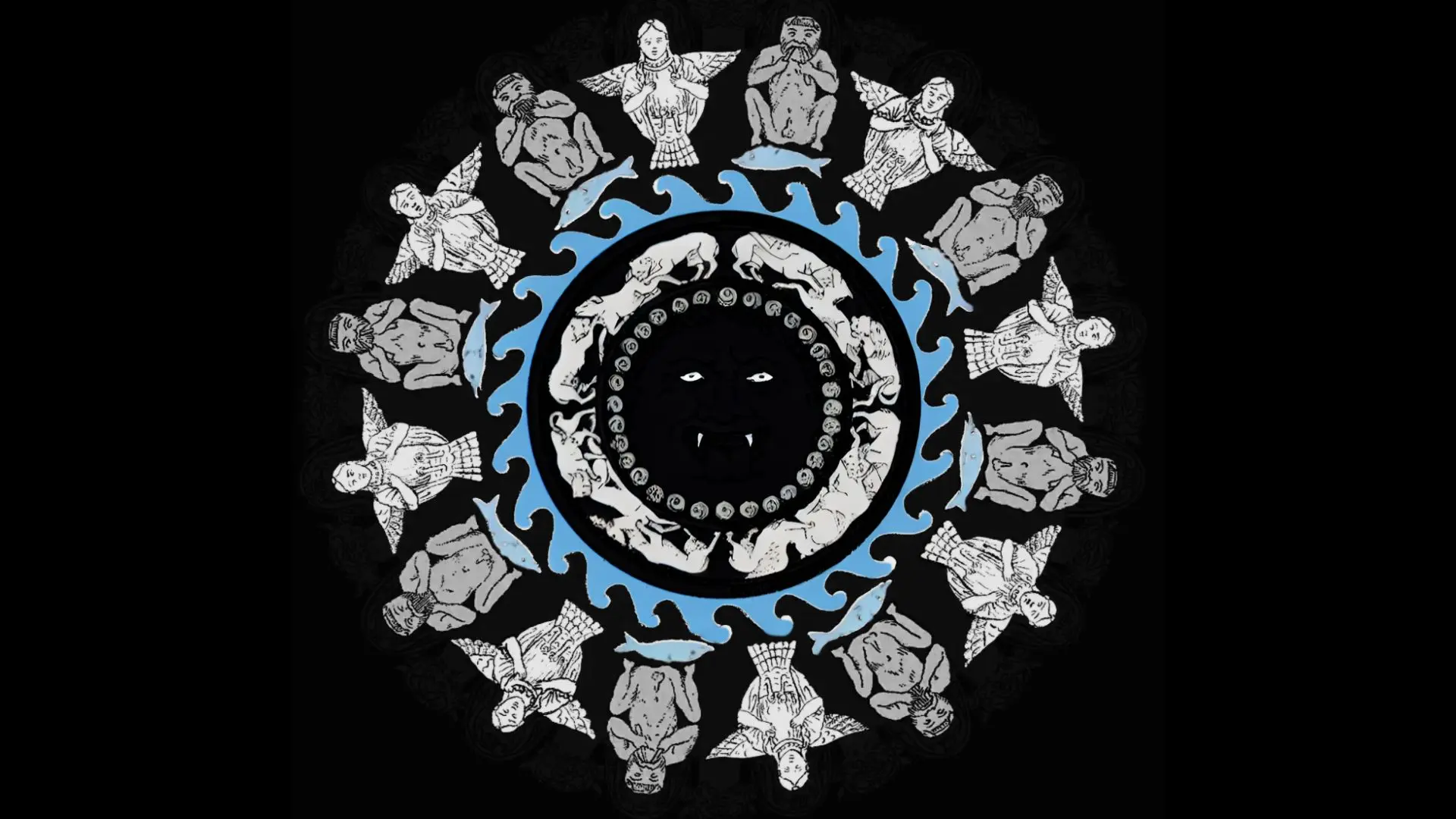
On the lamp, eight leaping dolphins appear above a marine wave. In Etruscan culture, the dolphin was a symbol rich in meaning, often associated with the sea, death, and rebirth. Frequently depicted in funerary art, it represented a guide for the soul toward the afterlife, assuming a psychopomp role.
As a creature of the sea, it also evoked purification and renewal, in keeping with the symbolic value of water for the Etruscans. The sea waves themselves symbolize the boundaries of the earthly world.
Hunting scenes
On the lamp there are twelve animals arranged in four hunting scenes, each composed as follows: a boar attacked by a panther and a lion; a horse bitten by a griffin and a lion; a bull assaulted by a griffin and a panther; and a stag attacked by a panther and a lion.
These hunting scenes, in which herbivores succumb to carnivores, are generally interpreted as allusions to the inevitability of death. From an astronomical perspective, the four groups—each made up of three animals—may evoke the four seasons, each consisting of three months, while the total number of animals, twelve, corresponds to the months of the year.
Hunting scenes
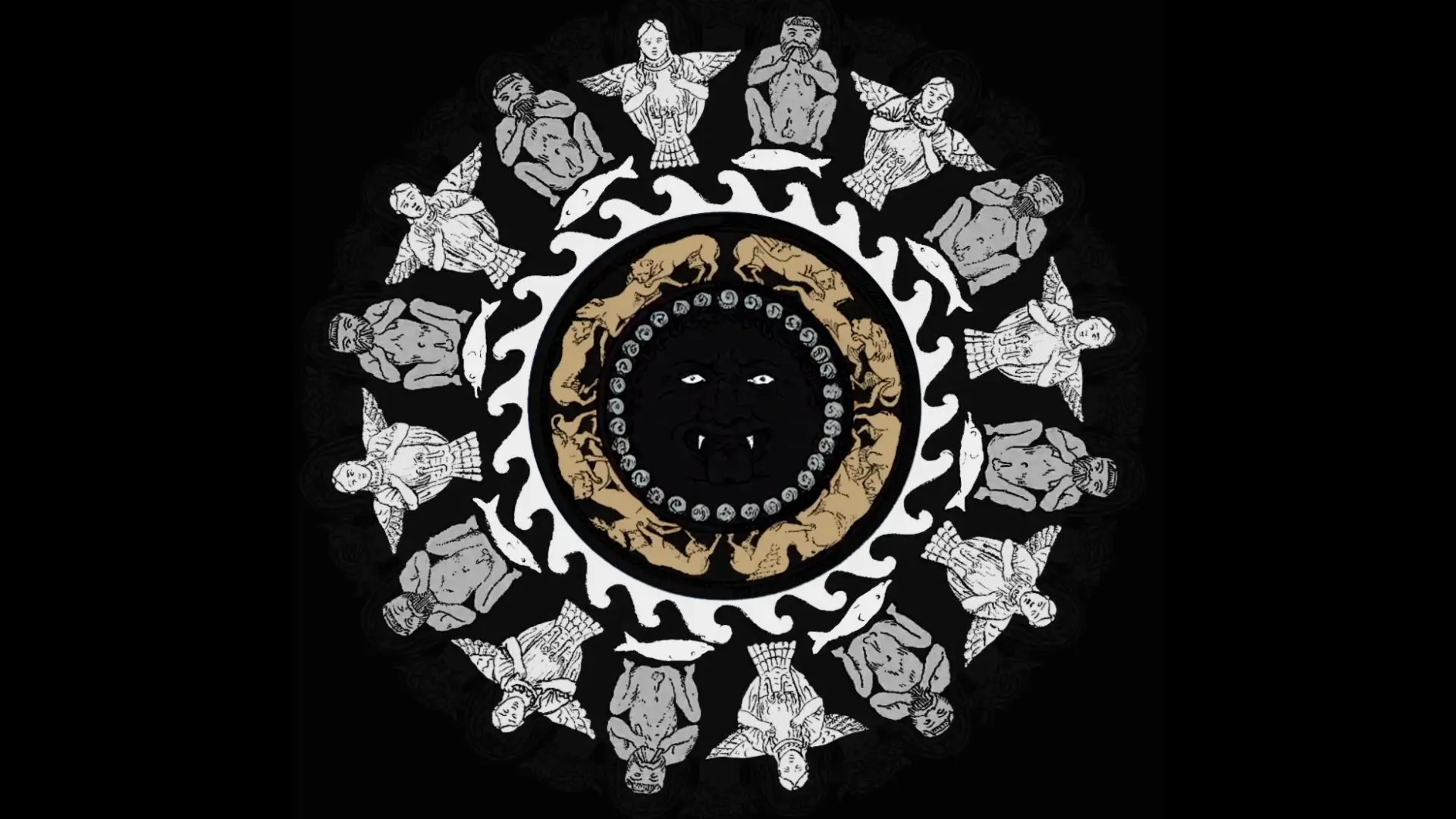
On the lamp there are twelve animals arranged in four hunting scenes, each composed as follows: a boar attacked by a panther and a lion; a horse bitten by a griffin and a lion; a bull assaulted by a griffin and a panther; and a stag attacked by a panther and a lion.
These hunting scenes, in which herbivores succumb to carnivores, are generally interpreted as allusions to the inevitability of death. From an astronomical perspective, the four groups—each made up of three animals—may evoke the four seasons, each consisting of three months, while the total number of animals, twelve, corresponds to the months of the year.
Medusa
Medusa is one of the three Gorgons of Greek mythology, the only mortal among her sisters Stheno and Euryale, daughters of the sea deities Phorcys and Ceto. Originally depicted as monsters with golden wings, bronze hands, and serpents for hair, the Gorgons were later represented as beautiful maidens.
According to ancient sources, Medusa dwelled in the far West or in Libya. In several versions of the myth, she was at first an extraordinarily beautiful woman, transformed into a monster by Athena as punishment for having lain with Poseidon in the goddess’s temple.
Perseus slew her, and from her blood were born Chrysaor and Pegasus; from the drops of blood that fell to the ground, coral was said to have originated. Homer mentions only one Gorgon, whose head was set upon Athena’s aegis.
Medusa
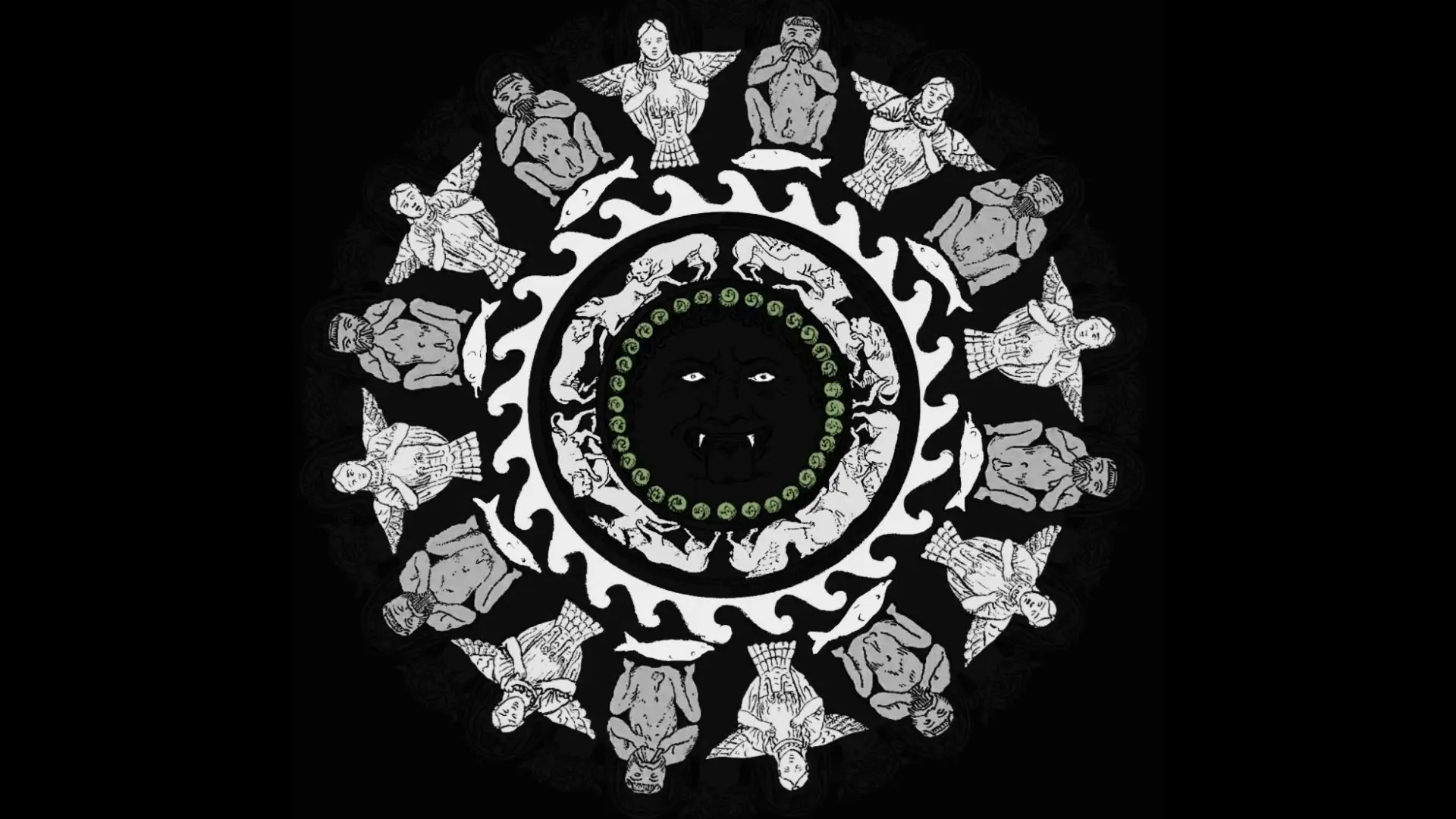
Medusa is one of the three Gorgons of Greek mythology, the only mortal among her sisters Stheno and Euryale, daughters of the sea deities Phorcys and Ceto. Originally depicted as monsters with golden wings, bronze hands, and serpents for hair, the Gorgons were later represented as beautiful maidens.
According to ancient sources, Medusa dwelled in the far West or in Libya. In several versions of the myth, she was at first an extraordinarily beautiful woman, transformed into a monster by Athena as punishment for having lain with Poseidon in the goddess’s temple.
Perseus slew her, and from her blood were born Chrysaor and Pegasus; from the drops of blood that fell to the ground, coral was said to have originated. Homer mentions only one Gorgon, whose head was set upon Athena’s aegis.
Discover more
Adjacent to the gallery dedicated to Cortona before the foundation of the Accademia lies the entrance to the Chandelier Room, a small space housing one of the most renowned and significant objects in the Accademia’s collection — a true “symbol” of the cultural mission carried out over time by the Cortonese institution.
This monument, one of the most remarkable examples of Etruscan bronze craftsmanship, was discovered in 1840 near Cortona, in the locality of Fratta, and was acquired by the Accademia Etrusca a few years later, after a long and complex negotiation.
The decoration presents an extraordinarily complex iconography. The outer band, corresponding to the lower edge of the nozzles, is adorned with alternating figures of silens and harpies or sirens: the former play the syrinx or double flute, while the latter hold their arms folded across their chests. A further band displays stylized waves with dolphins leaping across them, regularly placed beneath the silens’ feet. In the innermost band runs a sequence of hunting scenes, composed of four groups of two wild beasts attacking a weaker animal. At the center, surrounded by a crown of small serpents, is the gorgoneion with gaping mouth and protruding tongue. Alternating with the nozzles, where flames once burned, are sixteen protomes of Acheloos.
The exterior of the nozzles, as well as the central shaft, features recurring vegetal motifs. The chandelier was intended for a sacred building of considerable importance. Although the exact location of the sanctuary remains unknown, it was likely situated in a well-frequented area or along a major communication route, probably in the Valdichiana at the foot of Cortona. The circumstances of its discovery do not allow greater precision, though a connection with one of the recently identified sacred buildings near Camucia cannot be excluded.
The style, decorative complexity, and comparable works suggest that the object was produced in a workshop of inland north-central Etruria, particularly skilled in high-quality bronze production, around the second half of the 4th century BCE — a period of prosperity in the region, fostered by agricultural development and trade with centers beyond the Apennines and along the crucial route following the Clanis valley toward the Paglia and the Tiber, connecting Clusium, Orvieto, and Rome.
A different dating applies to the inscribed plaque displayed alongside the chandelier. Found together with the object and attached to it by nails still visible on two nozzles, its script cannot be dated later than the 2nd century BCE. It likely represents a renewed dedication of the object. The inscription clarifies the votive nature (tinscvil) of the offering made by the Muśni family.