

Tumulus II of the Sodo
Around 480 BC, on the rear side of the mound, a second tomb was built, probably belonging to the Velara gens, whose name also appears in the famousTabula Cortonensis.
More modest in structure but exceptionally well preserved, Tomb 2 was discovered only in the 1990s. Inside, intact grave goods were found: splendid female gold jewellery, a writing stylus, and bronze remains of a folding stool, perhaps a symbol of the political authority of the family.
Originally, the tumulus must have appeared taller and conical, without trees, perhaps surmounted by temple buildings intended for the private cult of the ancestors, of which fragments of roof tiles and terracotta decorations have been found and are now reconstructed in the Museum.
All the original artefacts from the two tombs, together with the sculptural groups and the palmettes of the altar, are now displayed on level -2, in Room 4 of the MAEC – Museo dell’Accademia Etrusca e della Città di Cortona, while faithful copies can be seen outdoors.
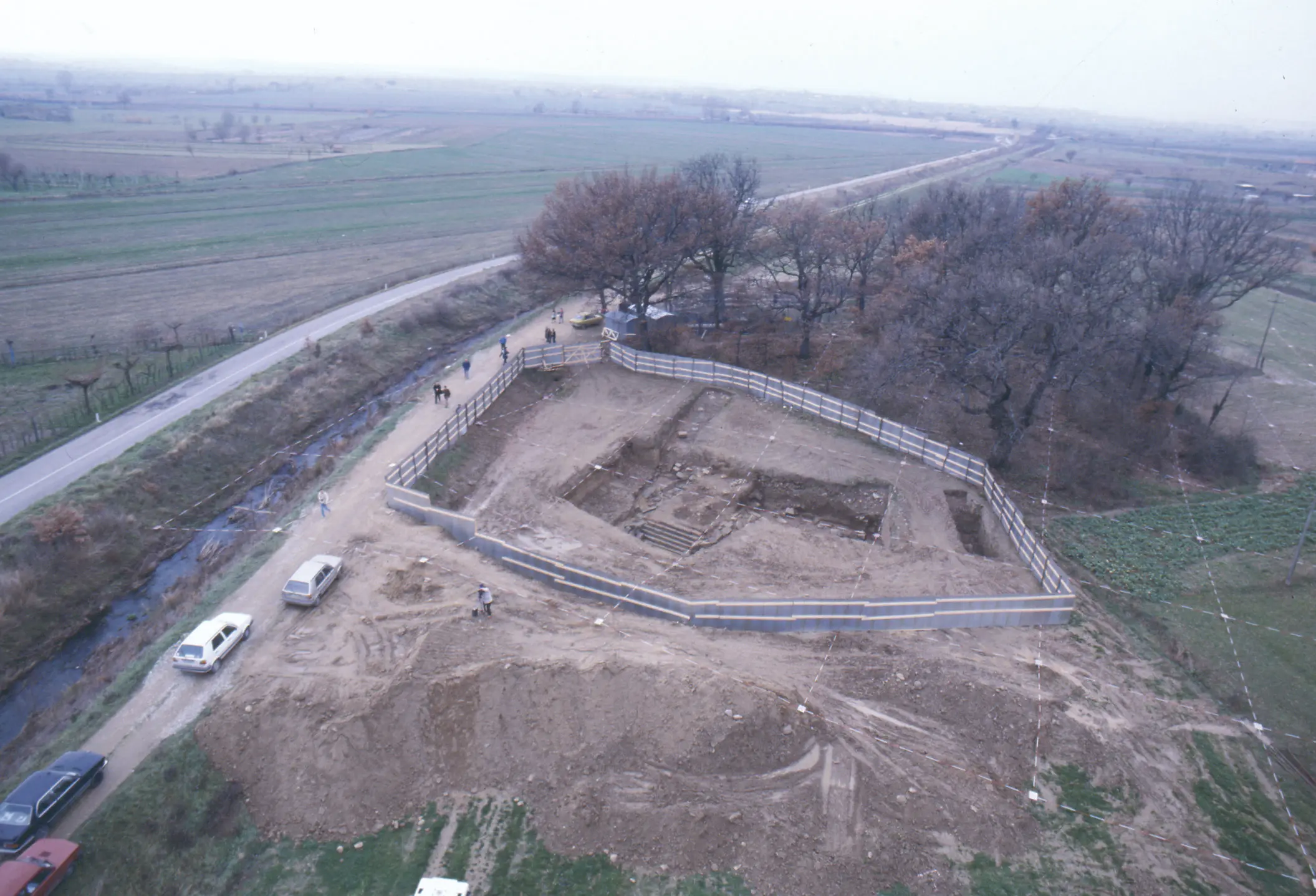
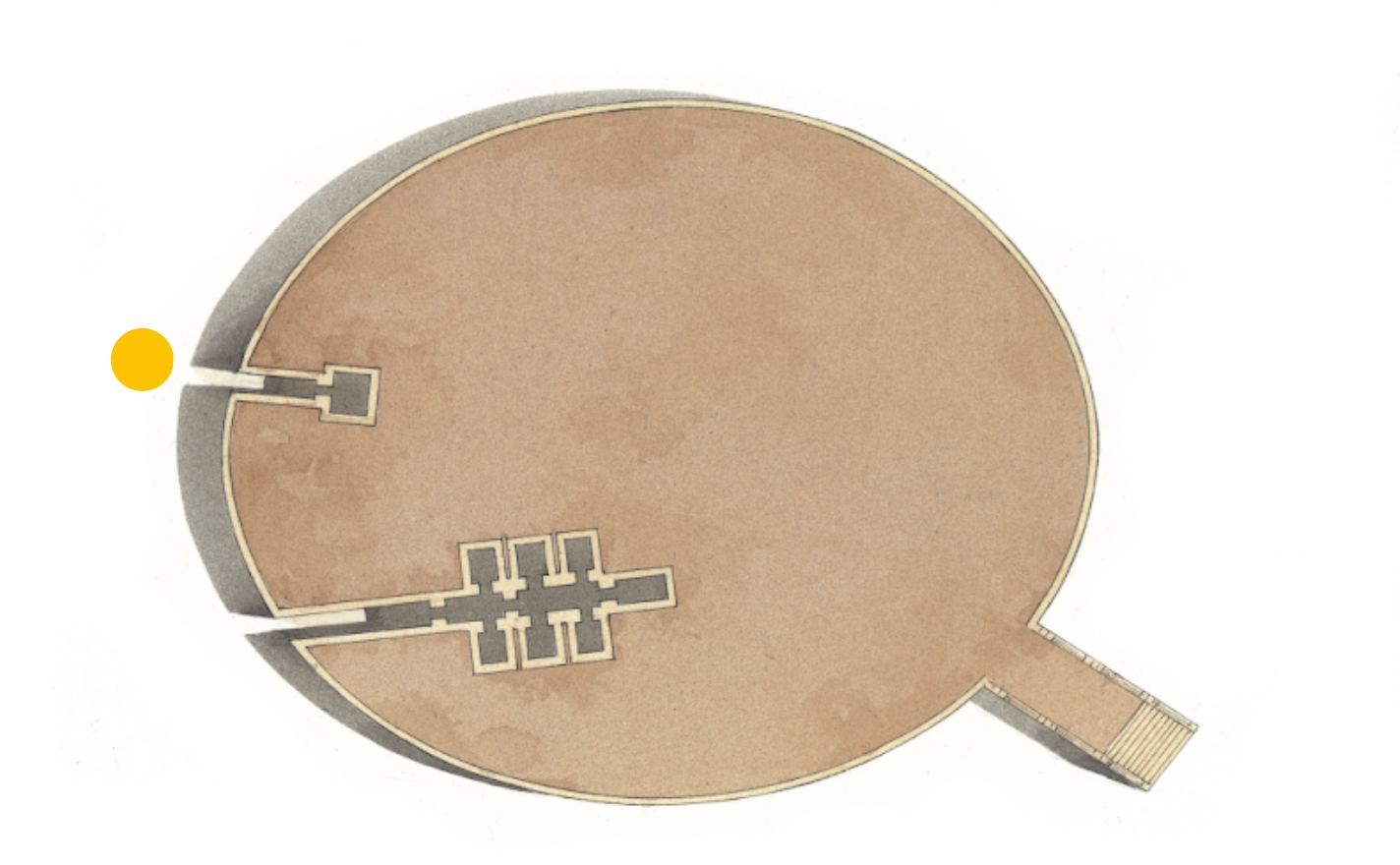
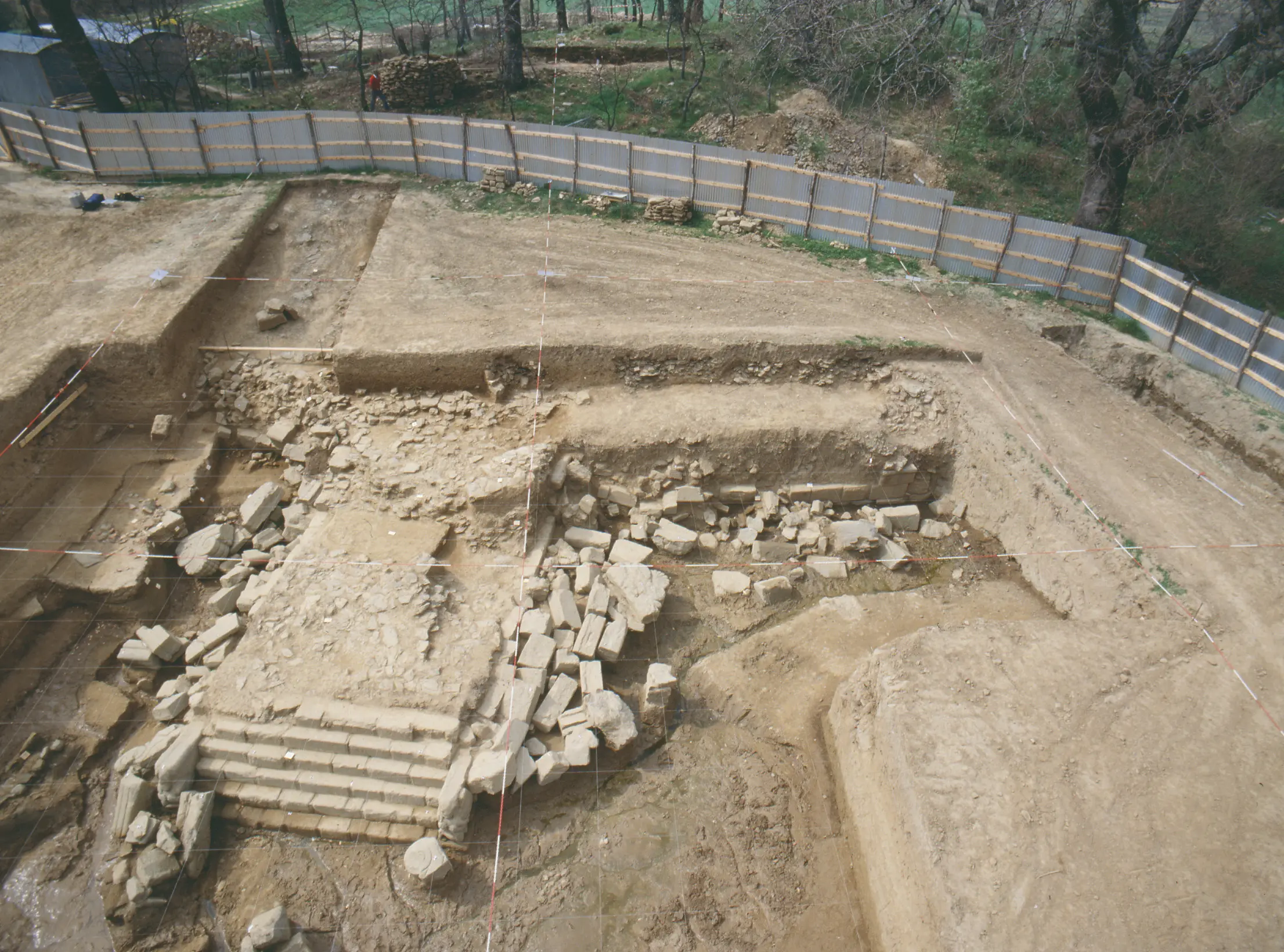
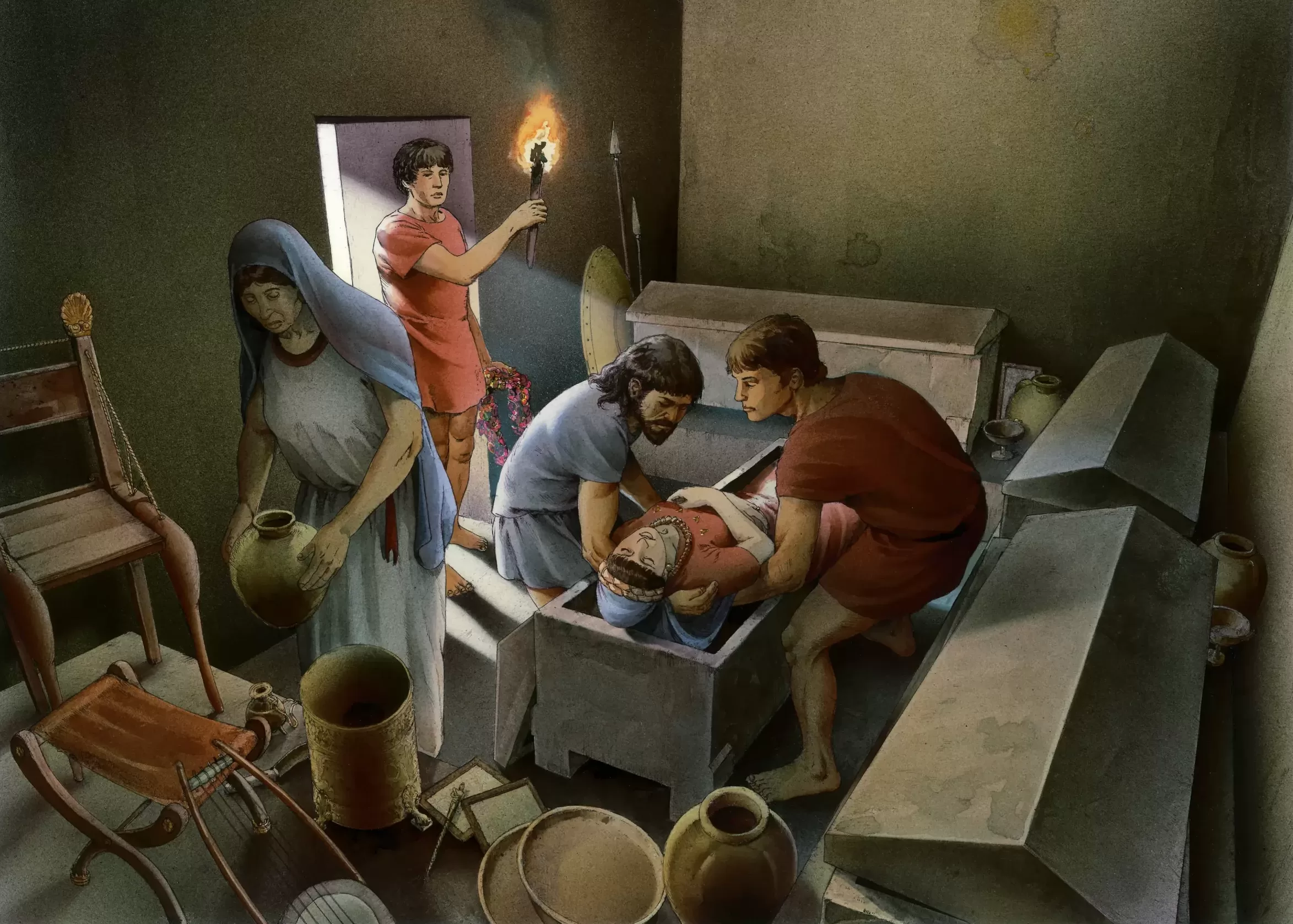
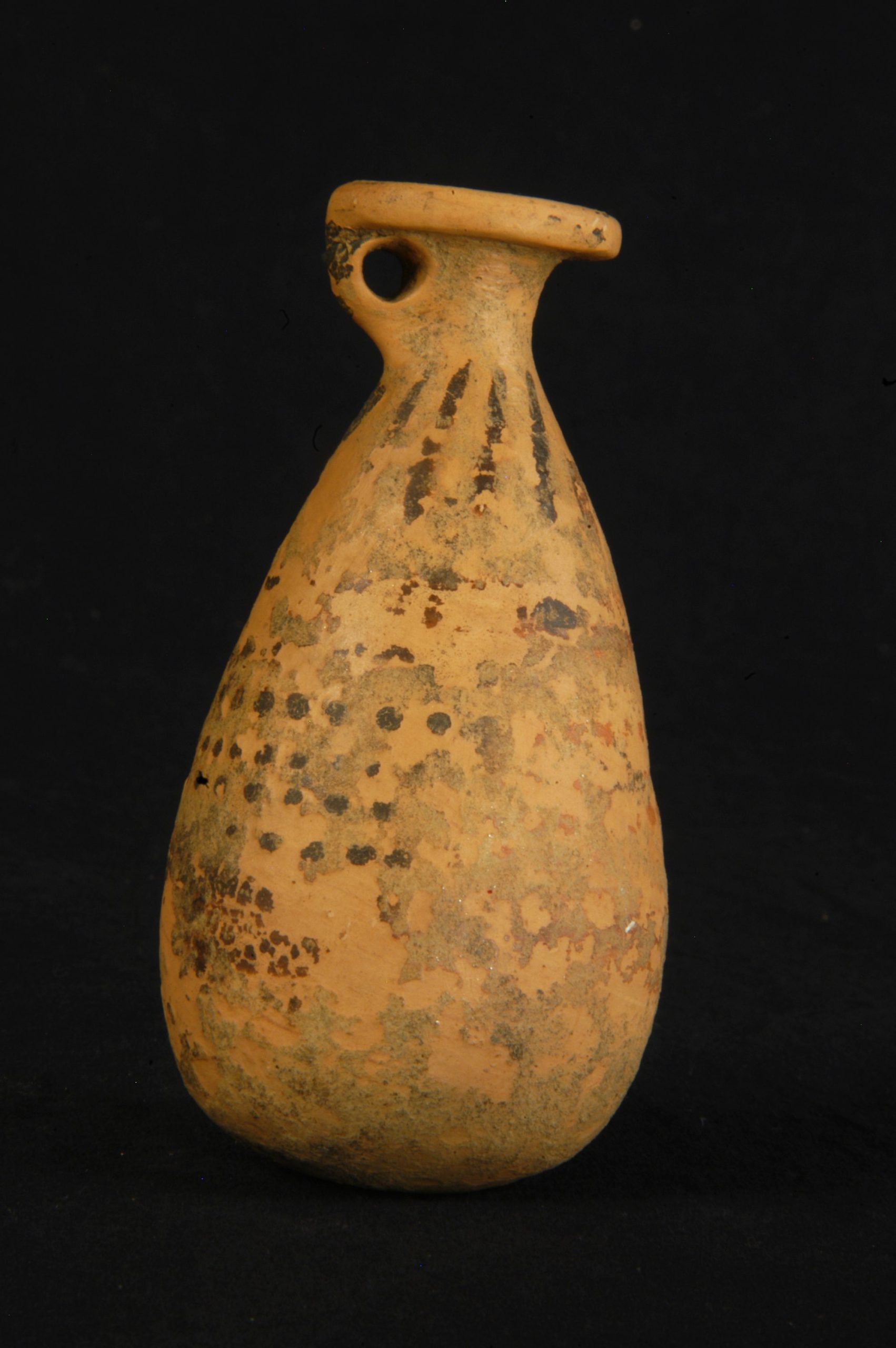
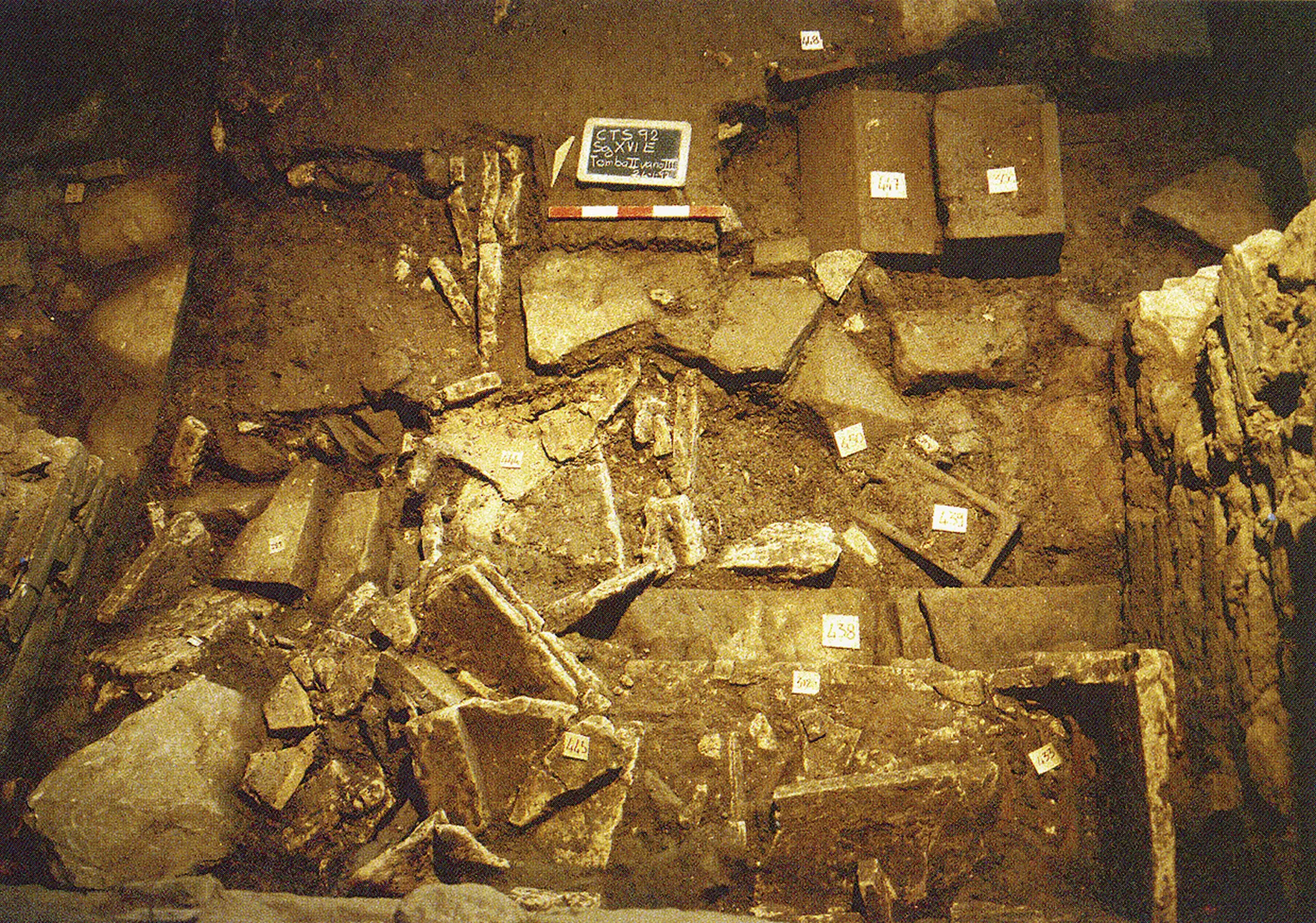
While the first tomb, excavated in the early twentieth century, yielded extremely important but fragmentary evidence of Attic (Greek) black-figure pottery, ivory and gold jewellery—because its roof had collapsed in antiquity and the tomb was therefore accessible—the second tomb, structurally more modest, was discovered only in the 1990s and returned intact grave goods, among which stand out female gold jewellery and a writing stylus with bronze fittings from a folding stool (the equivalent of the Roman sella curulis), perhaps alluding to the political office of the male members of the family.
Originally, the monument must have appeared taller and, at the top, conical in shape, without trees. The presence of temple buildings for the private cult of the ancestors of the buried families cannot be excluded; sporadic fragments of roof tiles and architectural terracotta decorations (acroteria and antefixes) have been found and reconstructed inside the MAEC.