
The Archaeological Area of the Sodo bears witness to the spirituality, artistic achievements, and social organization of the Etruscans of Cortona.
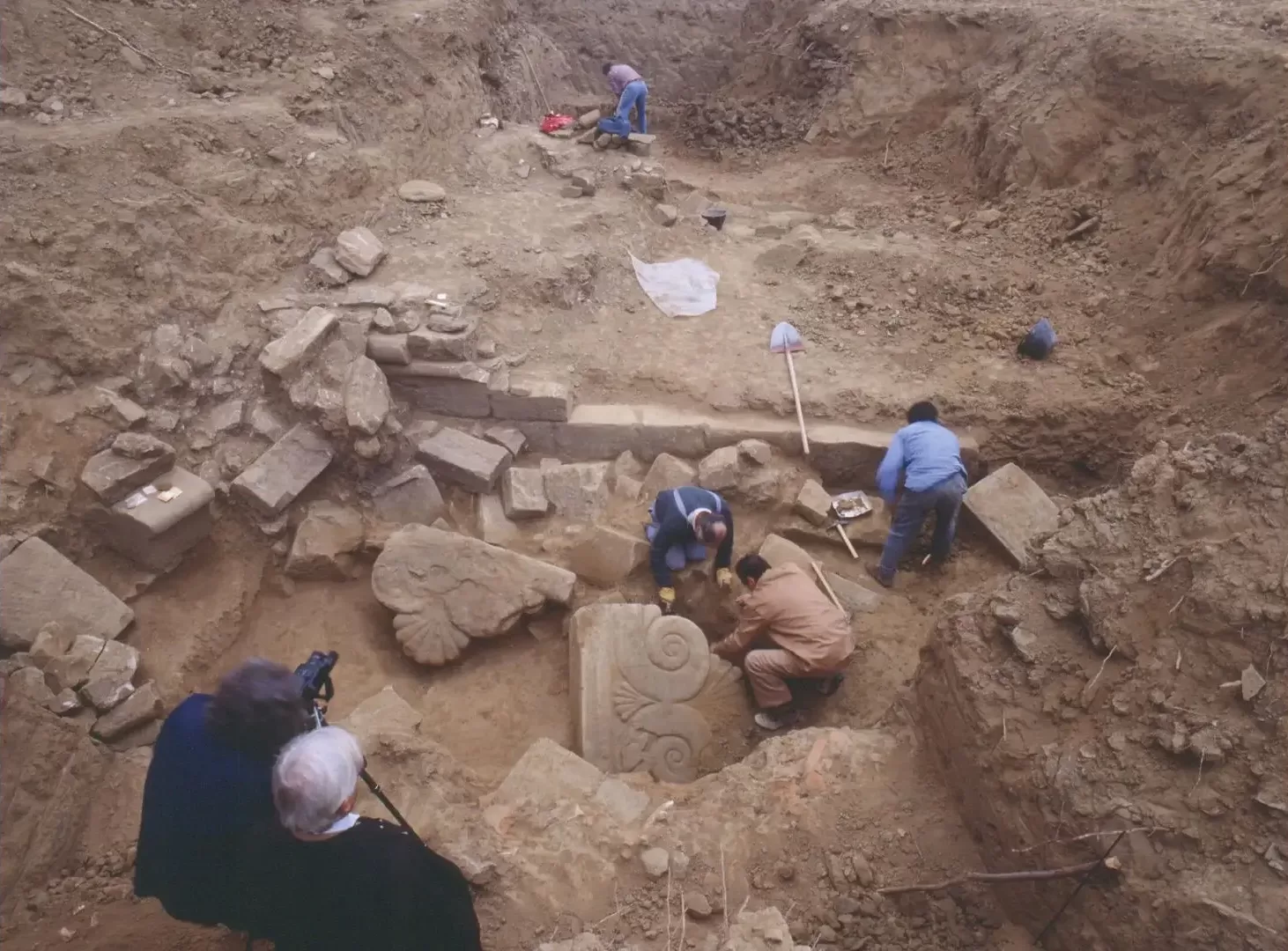
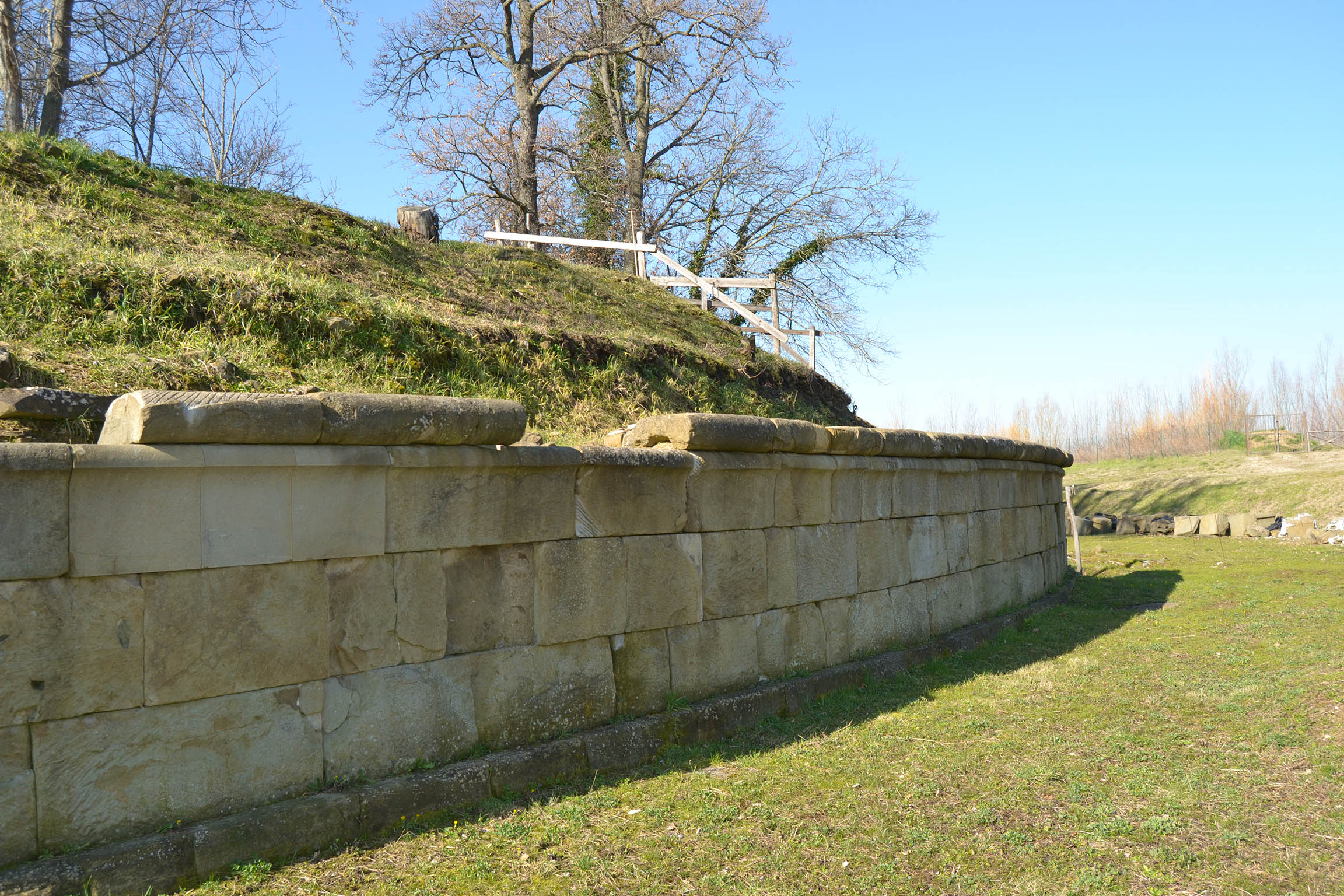
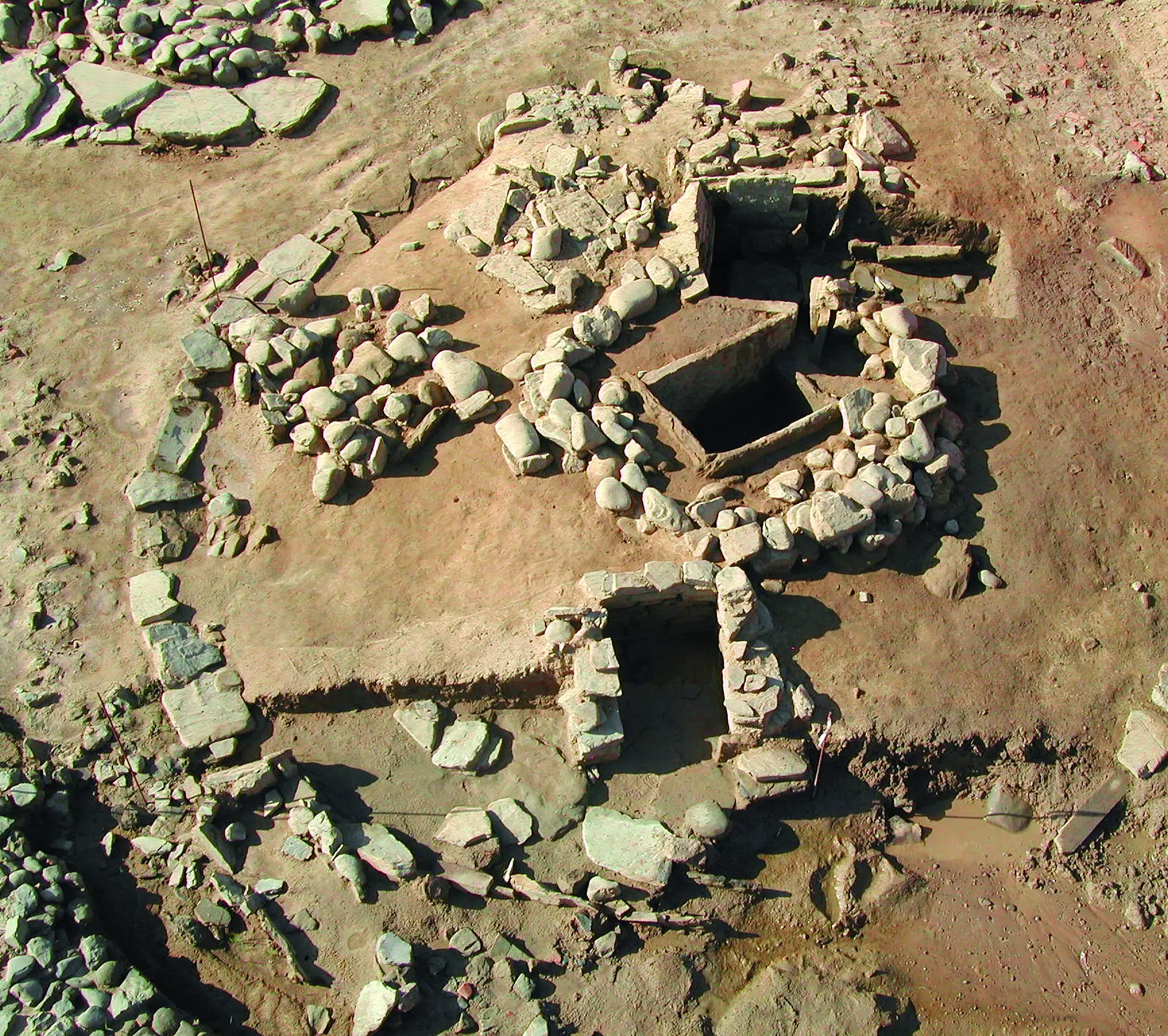
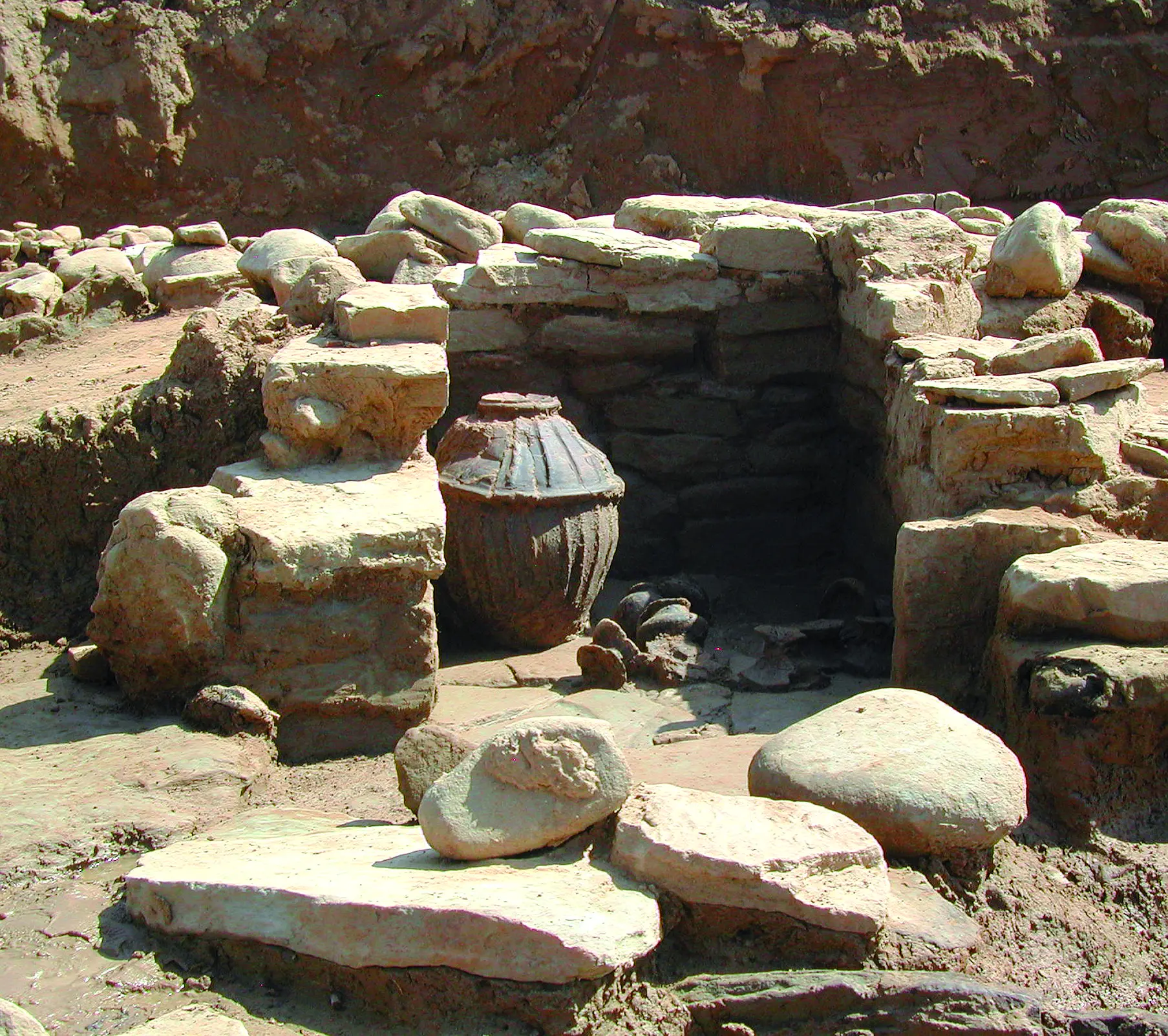
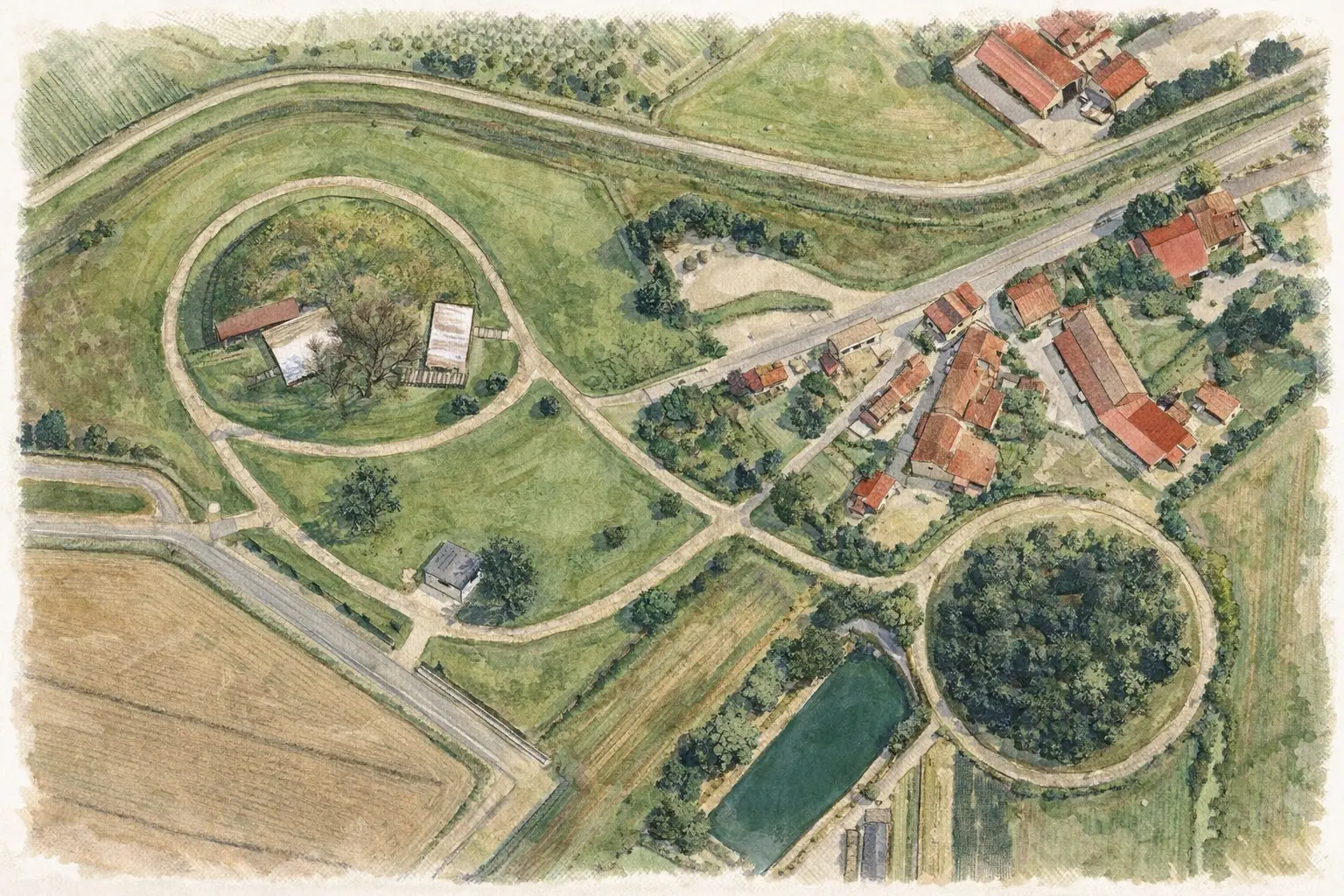
Located at the foot of the town, in one of the most remarkable areas of ancient Etruria, the site saw the construction—between the 7th and 5th centuries BC—of monumental tombs belonging to powerful Etruscan families. These artificial hills enclosed burial chambers and precious grave goods, while also standing as visible symbols of power and identity within the landscape.
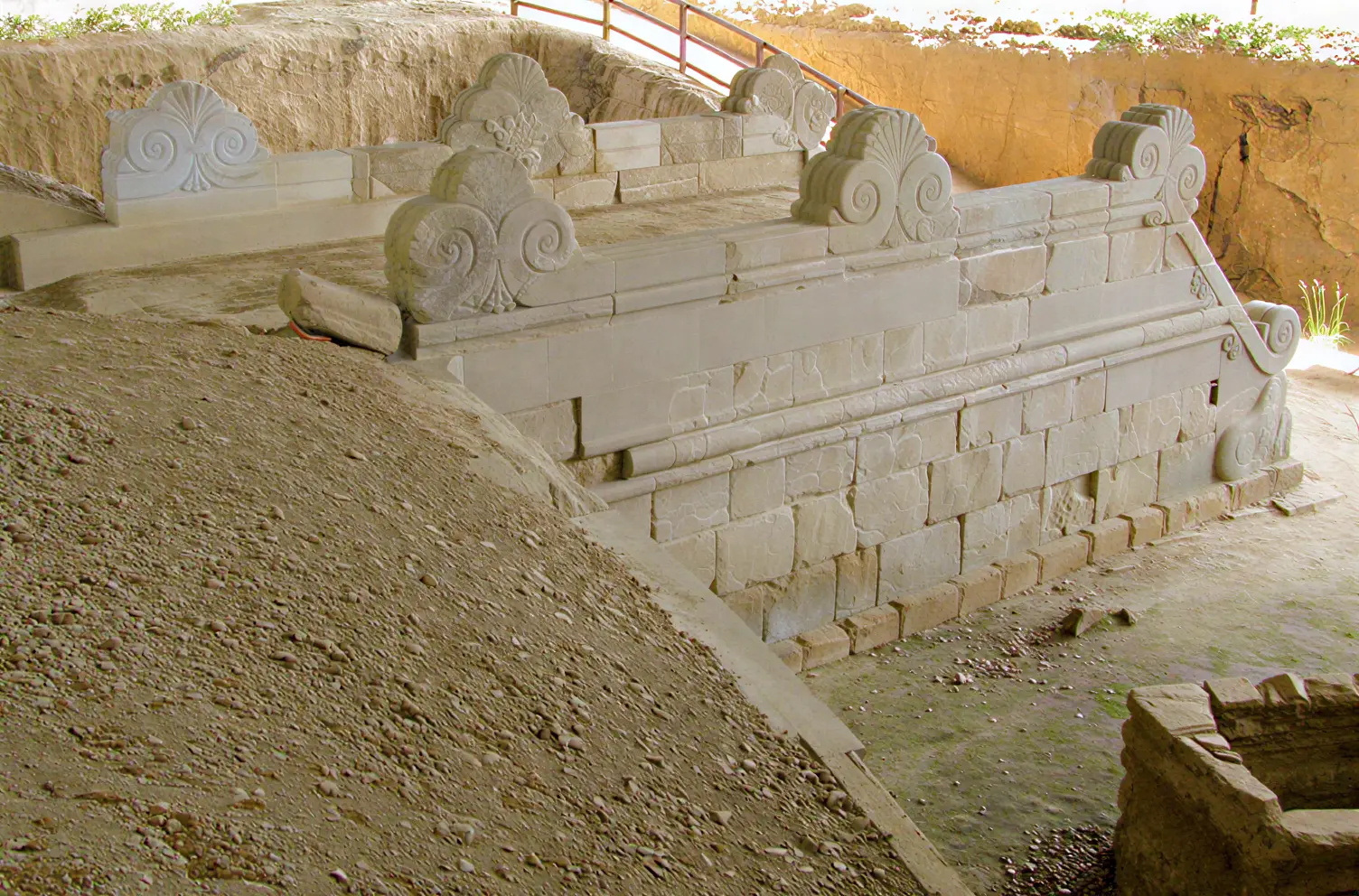
The two great tumuli, known as the “Meloni del Sodo,” are unique in Italy for the monumentality of their architecture and for the presence of a carved altar-terrace, likely intended for ritual ceremonies.
For the Etruscans, the tomb was a true dwelling for eternity: a place where the deceased continued to live through objects and acts of remembrance. Visiting the Sodo therefore means encountering a vision of life and death that, though distant in time, reflects our own enduring need to remember and to pass on memory.
This heritage conveys the image of a people who lived in harmony with the landscape, who honoured their ancestors, and who left us—in the heart of Tuscany—a unique monument to the bond between land, memory, and spirituality.