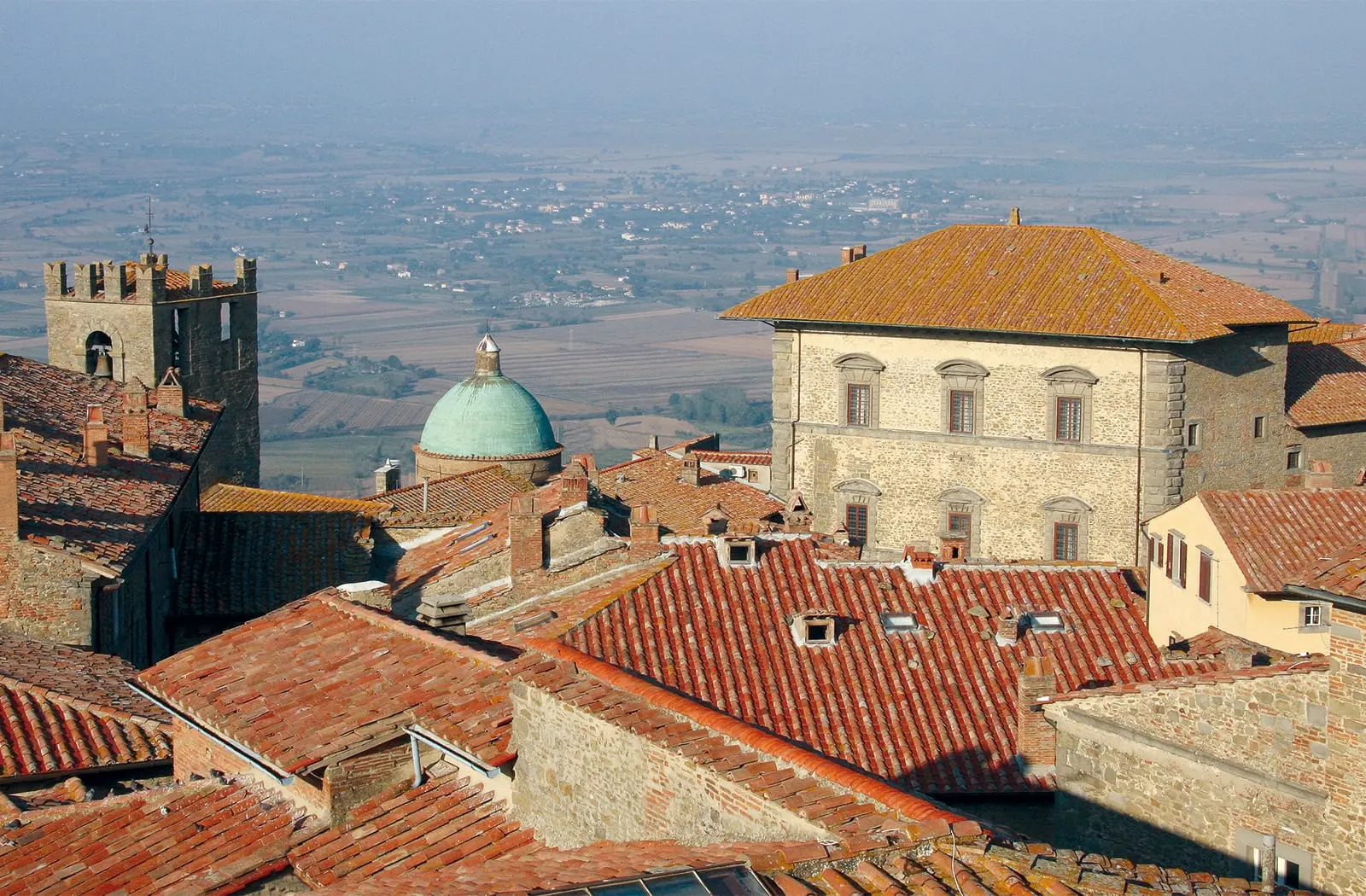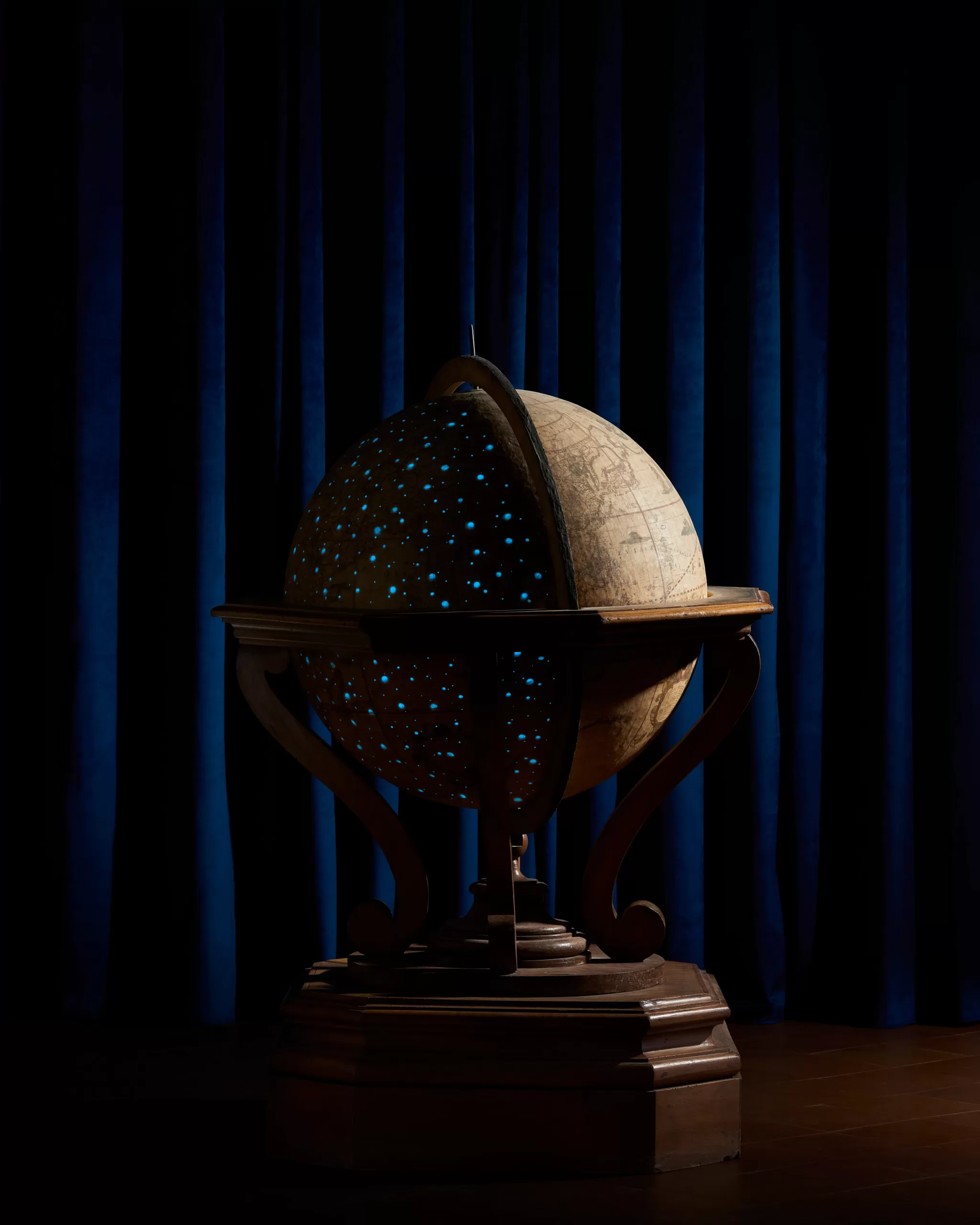

The MAEC, Museo dell’Accademia Etrusca e della Città di Cortona – welcomes you to Palazzo Casali, in the heart of the city, with a unique itinerary that intertwines collections, stories and discoveries. In a single place, many voices coexist: the legacy of the Accademia Etrusca, the history of the city of Cortona and of its territory.
Collections and Masterpieces of the MAEC Museum
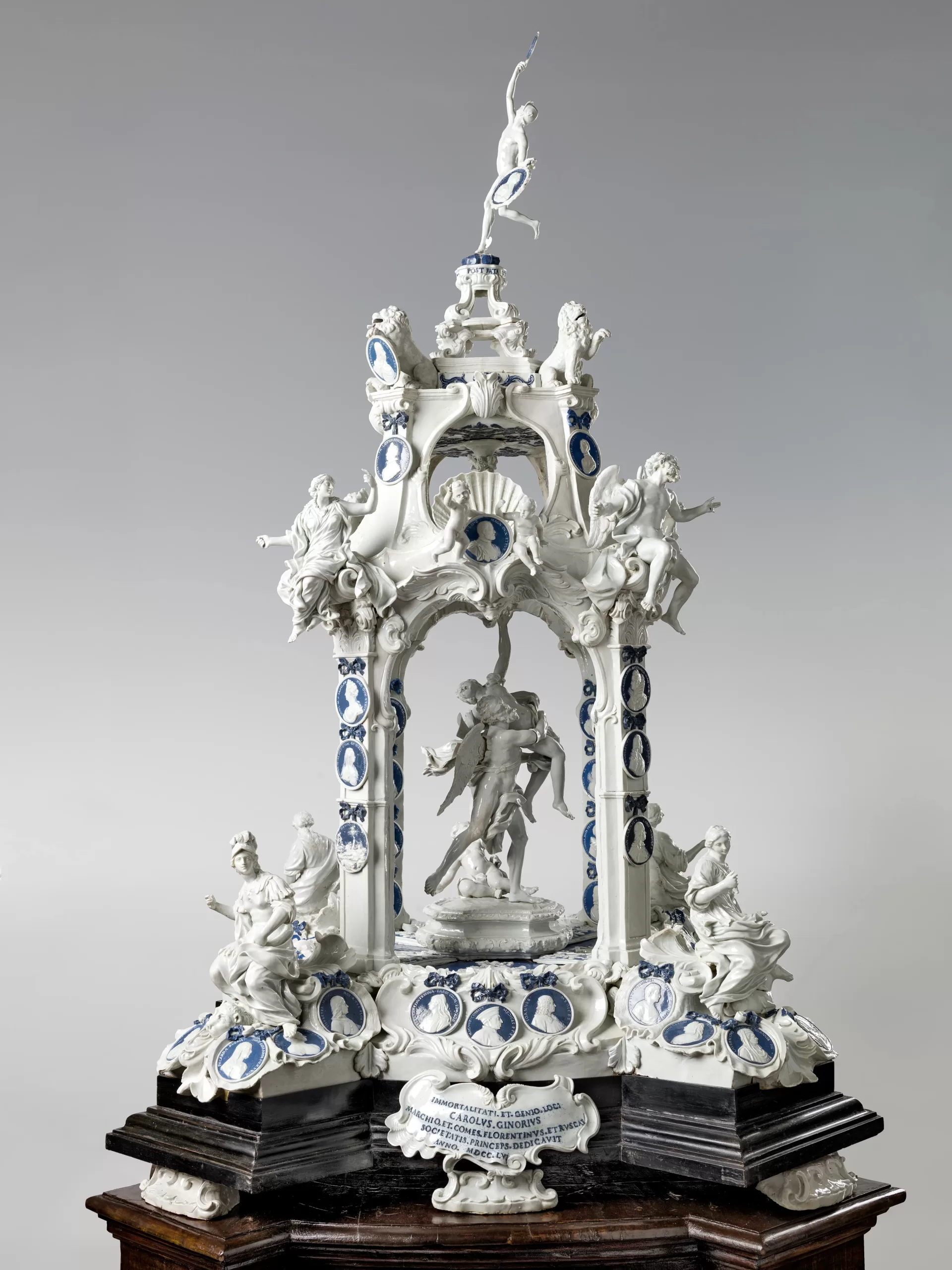
The collections of the Accademia Etrusca, housed in the museum, were born from the Enlightenment passion of the eighteenth century and have grown thanks to centuries of studies and donations. They bear witness to the fortune of Etruscology and to the fascination that Cortona exerted on travellers and scholars from all over the world.
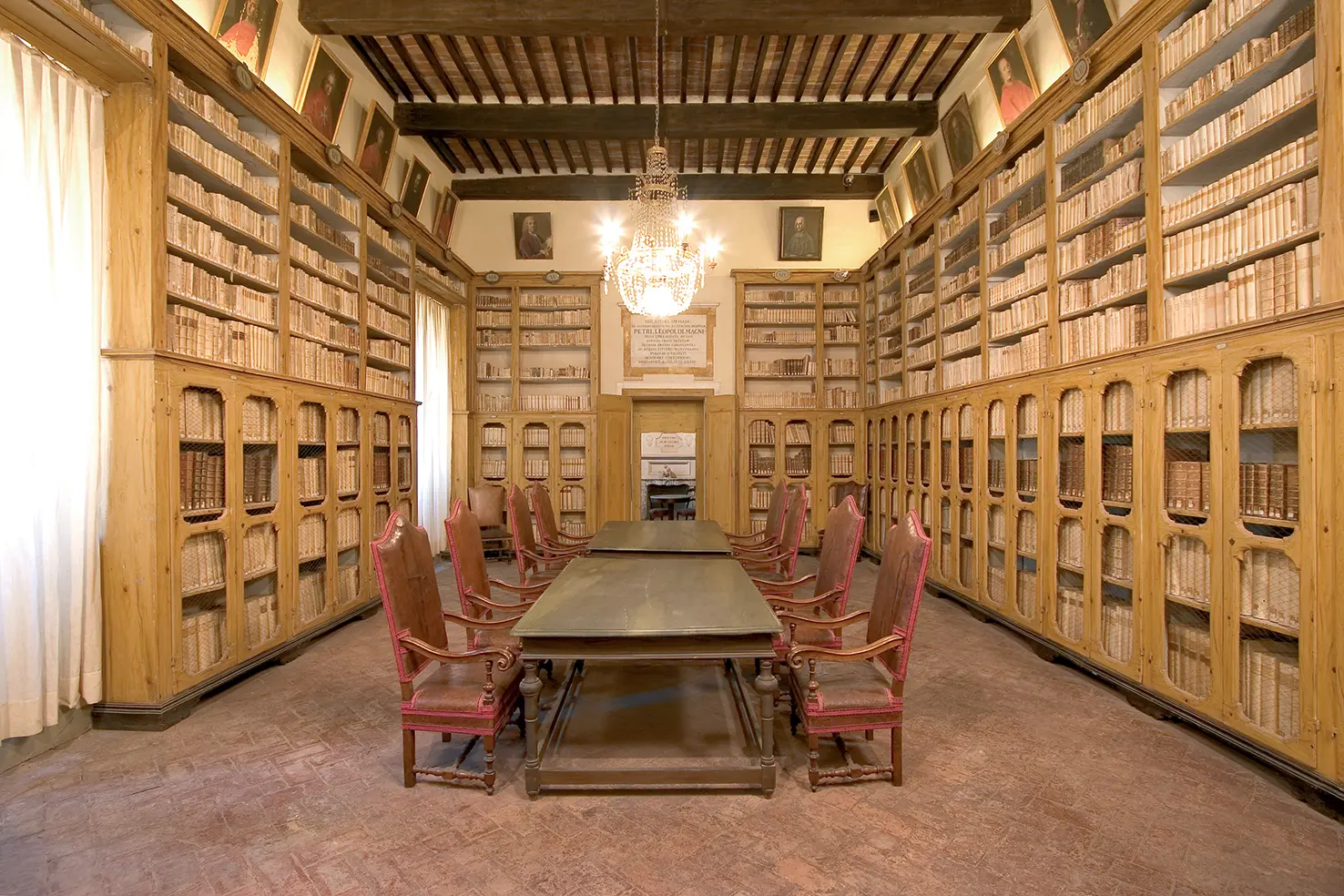
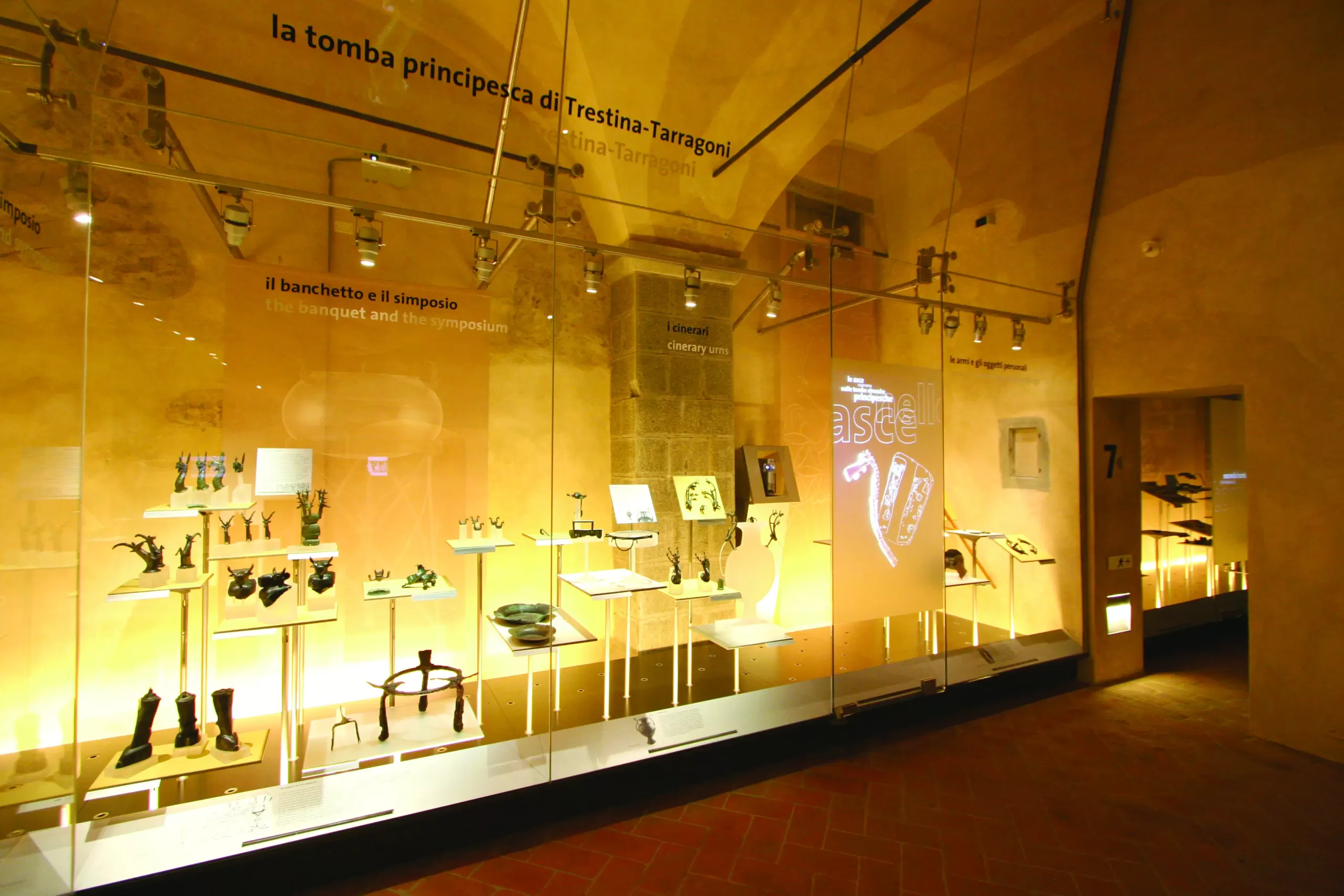
Among the masterpieces of the museum stand out the famous Etruscan bronze chandelier, the important Egyptian collection, the noteworthy picture gallery and the precious eighteenth-century library. The museum narrates Etruscan and Roman Cortona through the finds coming from the territory: the refined bronzes from Trestina and Fabrecce, the gold grave goods from the great archaic tumuli, the extraordinary Tabula Cortonensis, up to the polychrome mosaics of the Roman villa of Ossaia, which restore the vivid image of a flourishing city through the centuries. The itinerary continues to the contemporary age, with works by Gino Severini, great Cortonese master of the twentieth century and leading figure of Futurism.
Museum galleries
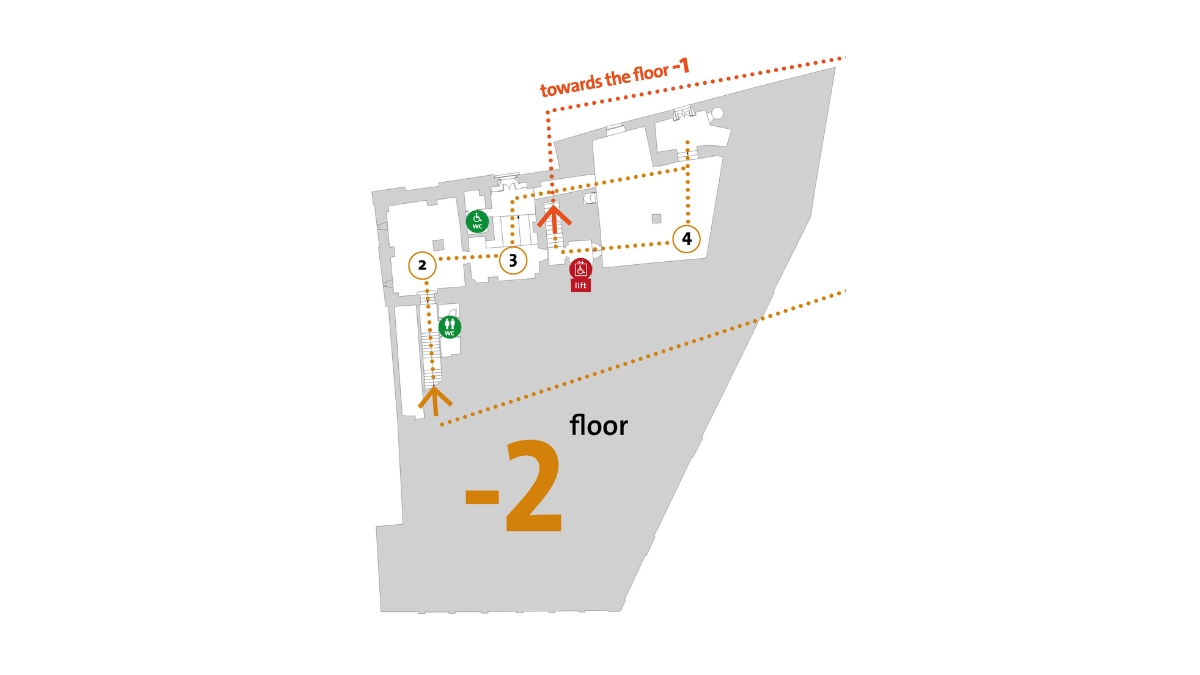
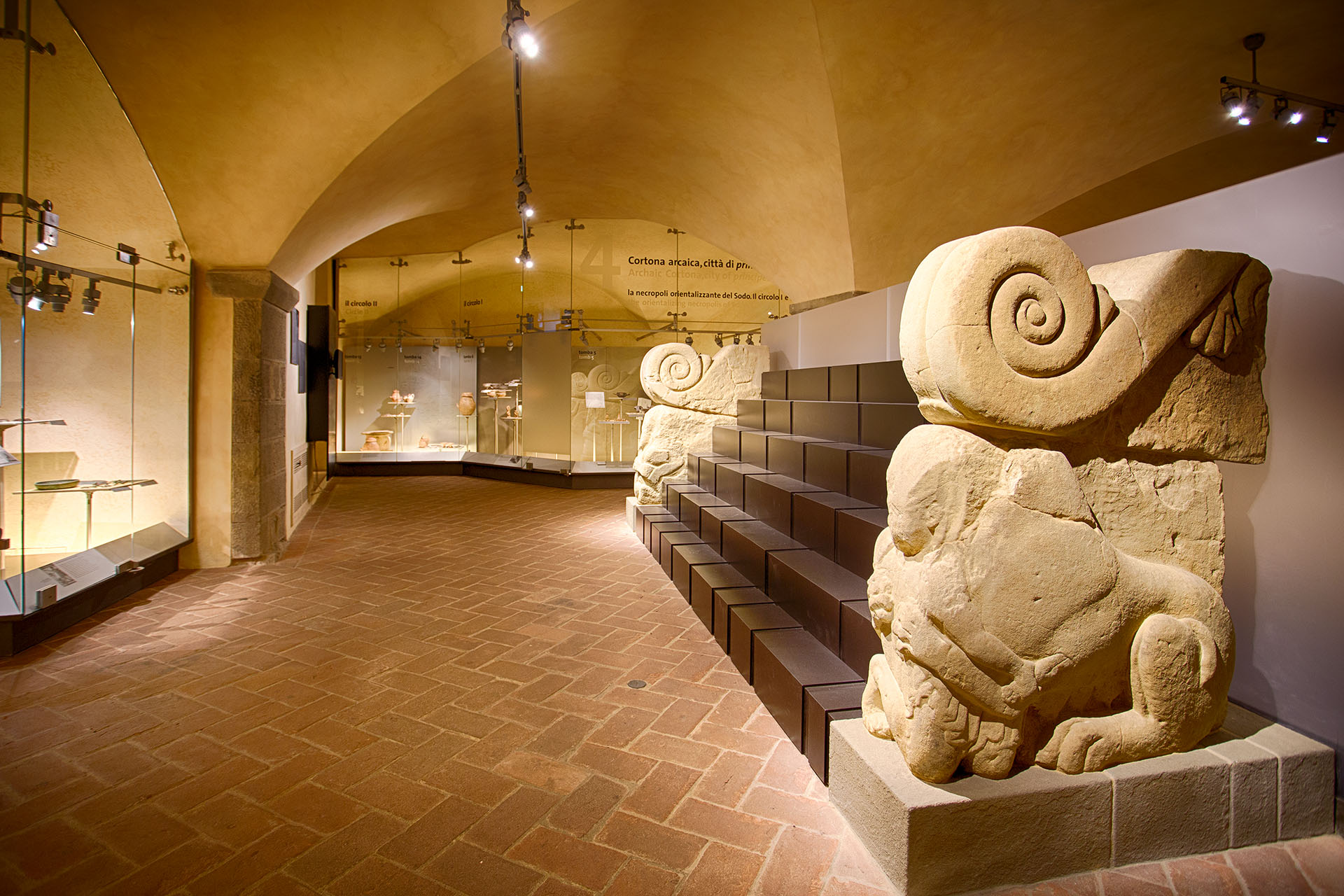
On the second basement level, after a brief introduction to the palaeontology of the area, visitors encounter the Orientalizing and Archaic grave goods from burials in the Valtiberina and Valdichiana valleys.
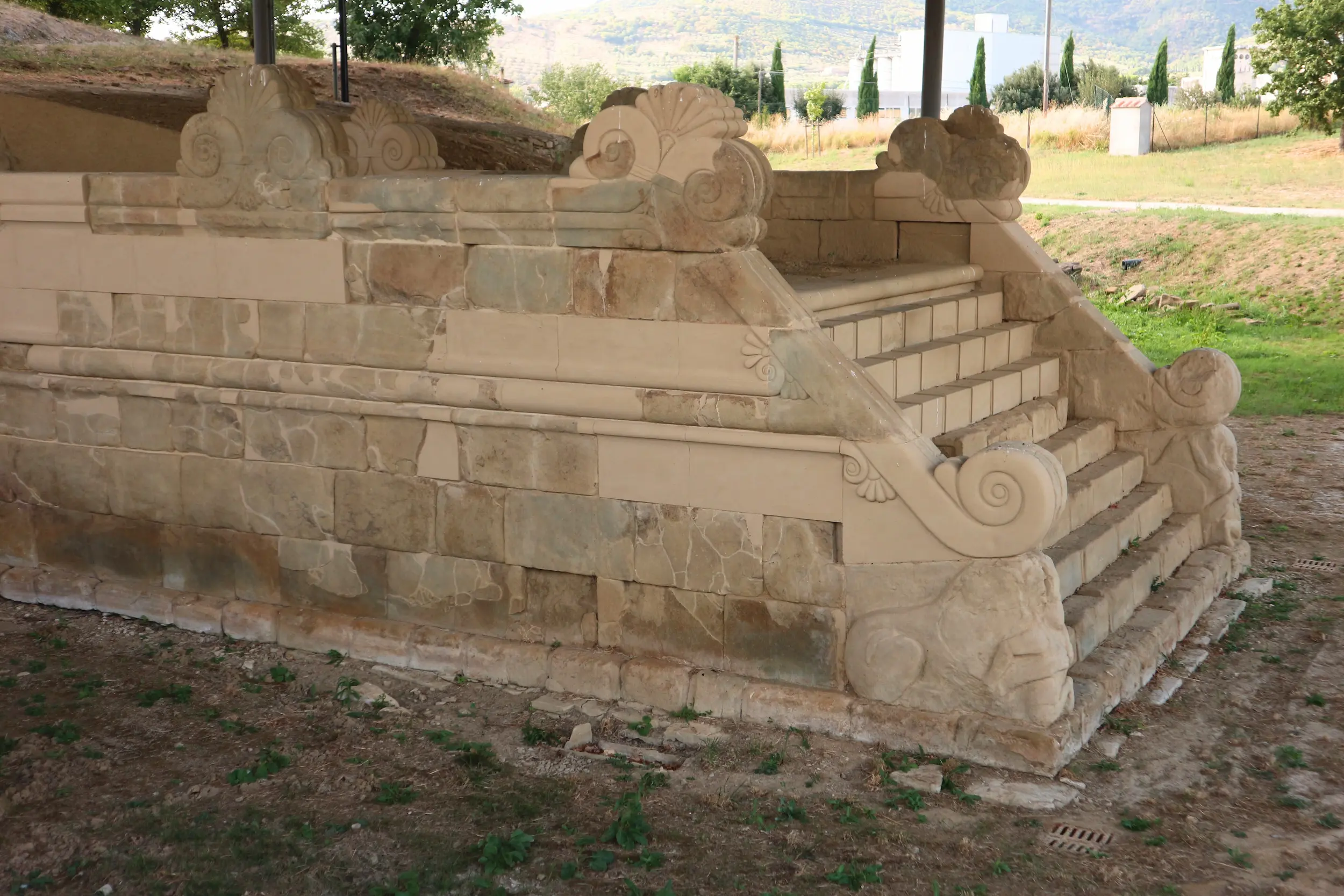
Particularly significant are the precious artefacts from the Etruscan tombs located in the immediate surroundings of Cortona, especially the Sodo and Camucia tumuli.
Among the materials on display are refined gold ornaments and objects related to funerary rituals and the cult of the dead. Of particular interest is the presentation of grave goods, recently recovered from a group of Orientalizing circular tombs, which offer new and fascinating insights into the earliest history of Cortona.
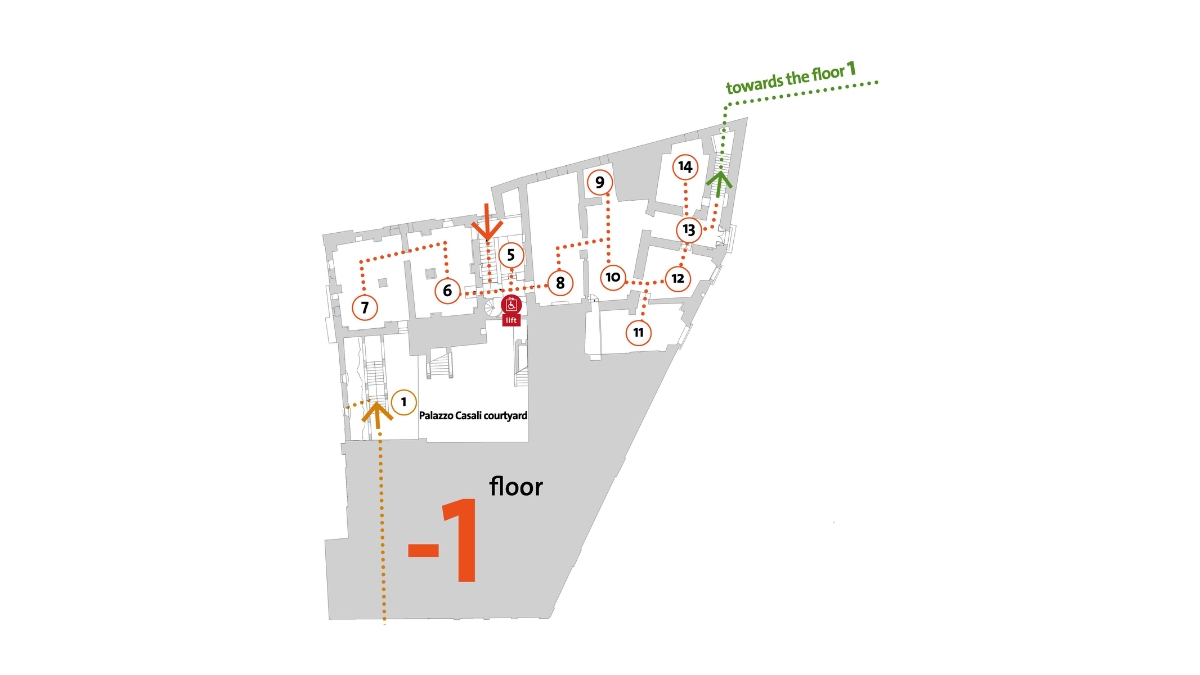
The most important object preserved in the museum is undoubtedly the Tabula Cortonensis, one of the longest known inscriptions in the Etruscan language and a key testimony to the city’s development during the Hellenistic period. Alongside it are artefacts from sanctuaries and monumental suburban tombs.
The section dedicated to the Etruscan and Roman city of Cortona concludes with the Roman phase, represented by finds from the large imperial villa discovered in the area of Ossaia and by evidence of the extensive network of roads and connections linking the major centres of antiquity.
From here, the visitor’s journey continues in the upper floors with the history of the Accademia Etrusca.
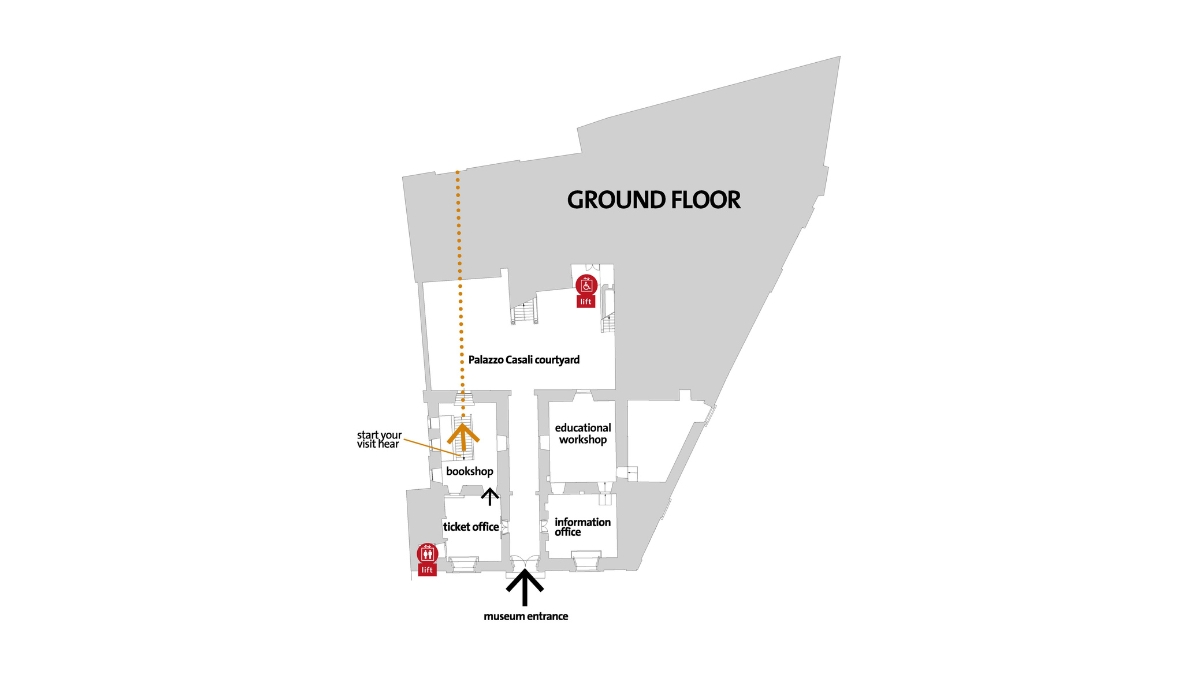
At the museum entrance visitors will find the ticket office and the museum bookshop. To begin the visit, enter the first door on the right of the ticket office and follow the stairs down to the lower floors.
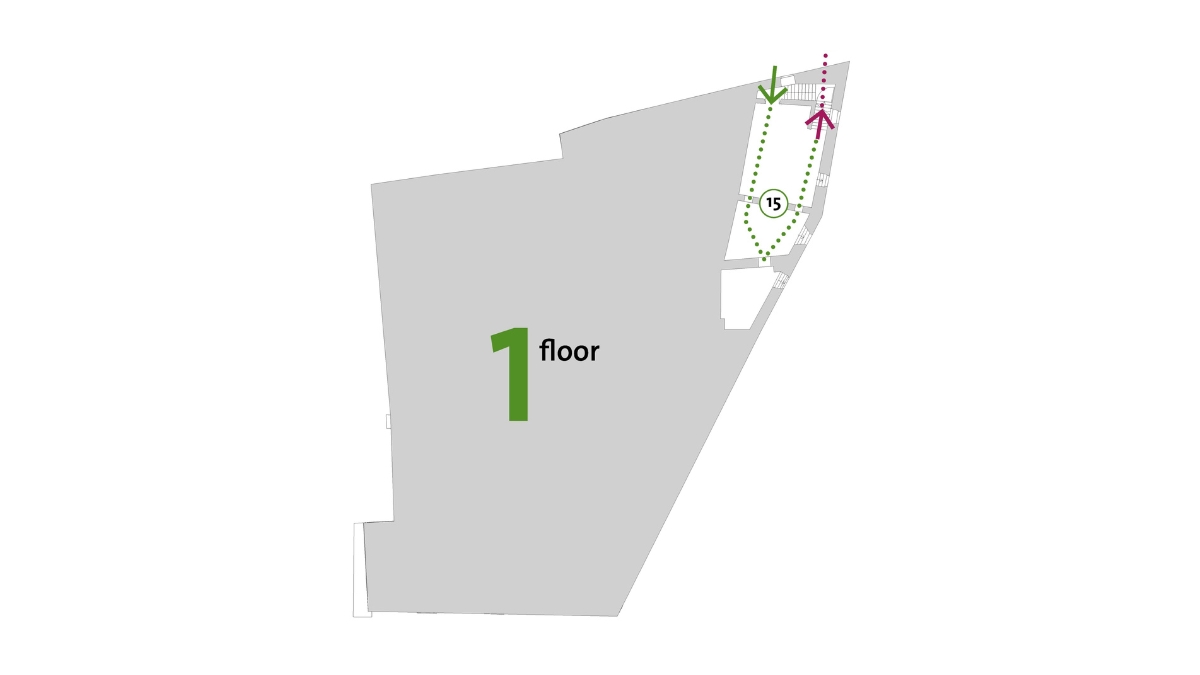
The rooms on the first floor are dedicated to temporary exhibitions, which host a changing programme of displays related to archaeology, history and art.
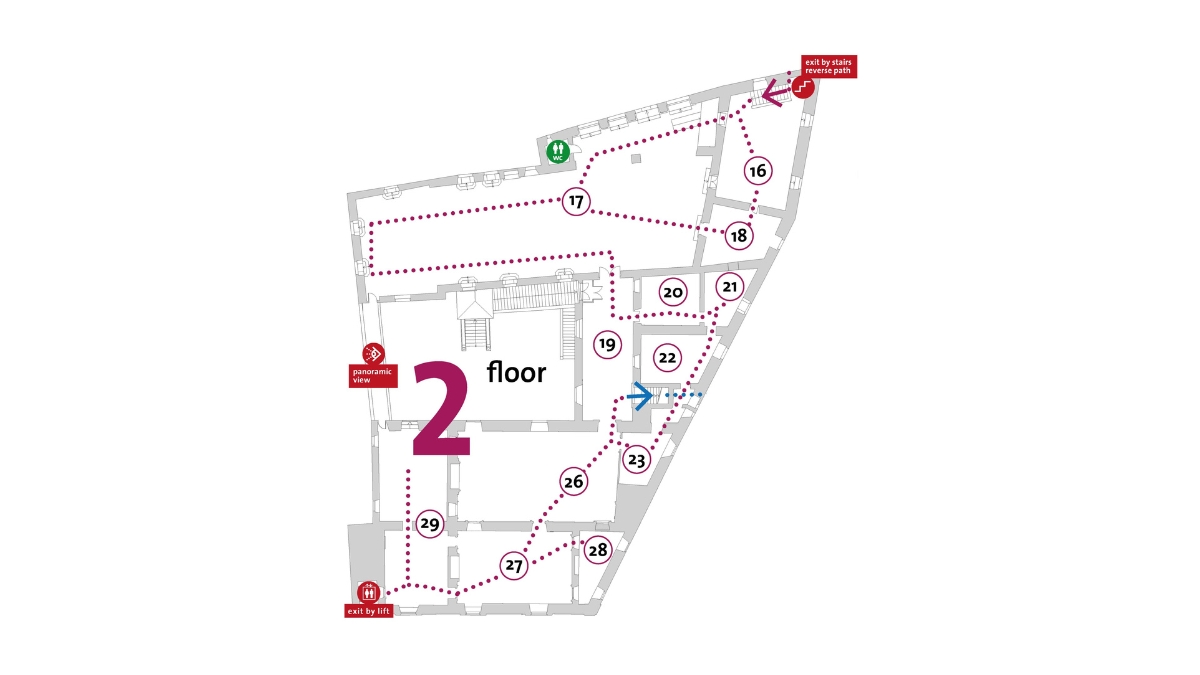
The noble floors of Palazzo Casali house the first collections assembled by members of the Accademia Etrusca during the eighteenth and nineteenth centuries, together with objects later acquired by the institution. Among the most important works are the famous Etruscan bronze chandelier, the so-called Musa Polimnia, and collections of Etruscan and Roman ceramics and bronzes.
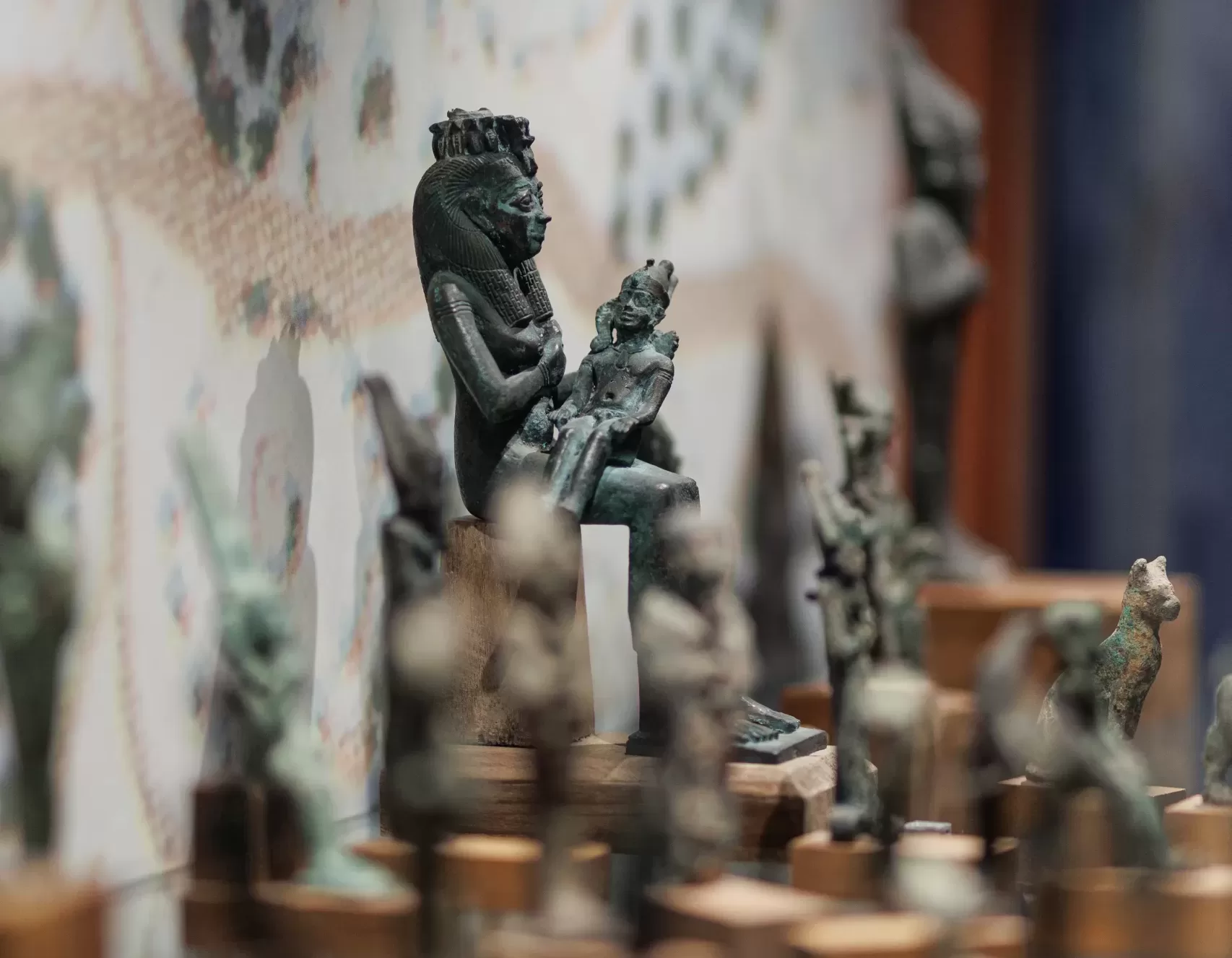
The displays also include more recent testimonies, such as the remarkable collection of works of art and furnishings formerly belonging to the Tommasi Baldelli family, as well as the Egyptian Collection. Numerous archaeological finds from the city and its surrounding territory are also presented.
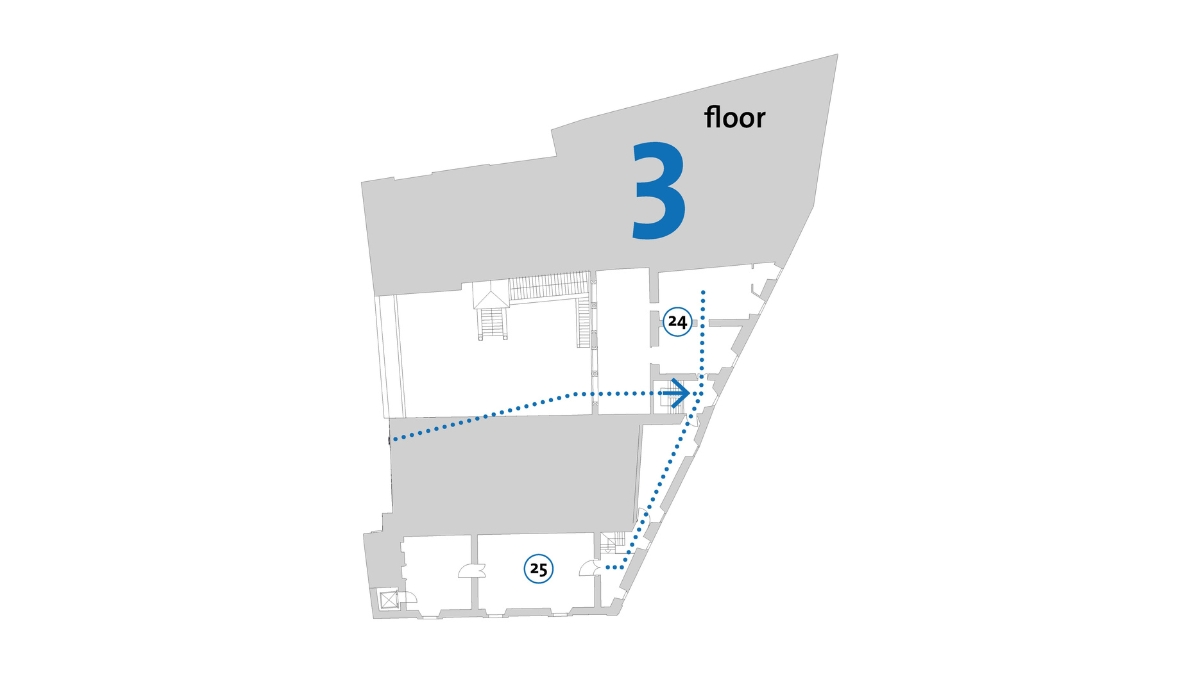
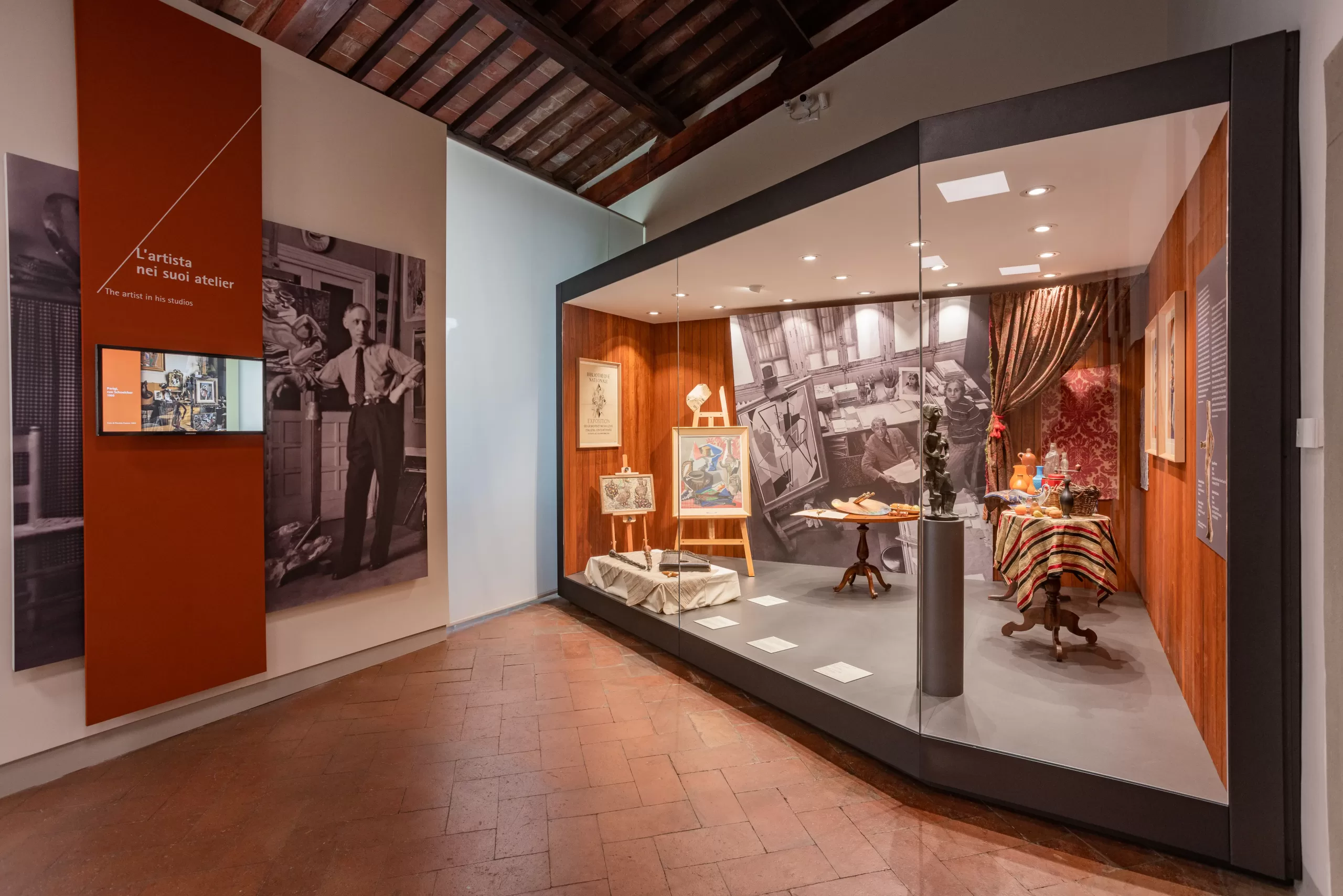
The third floor houses the Severini Collection, with a significant group of works by the Cortona-born painter Gino Severini, one of the founders of Futurism. These works were donated to the city by the artist himself and, in more recent years, by his daughter Romana Severini. Continuing along the corridor visitors reach the eighteenth-century library of the Accademia Etrusca, once the meeting place of the early members of the academy.
Discover the MAEC Park
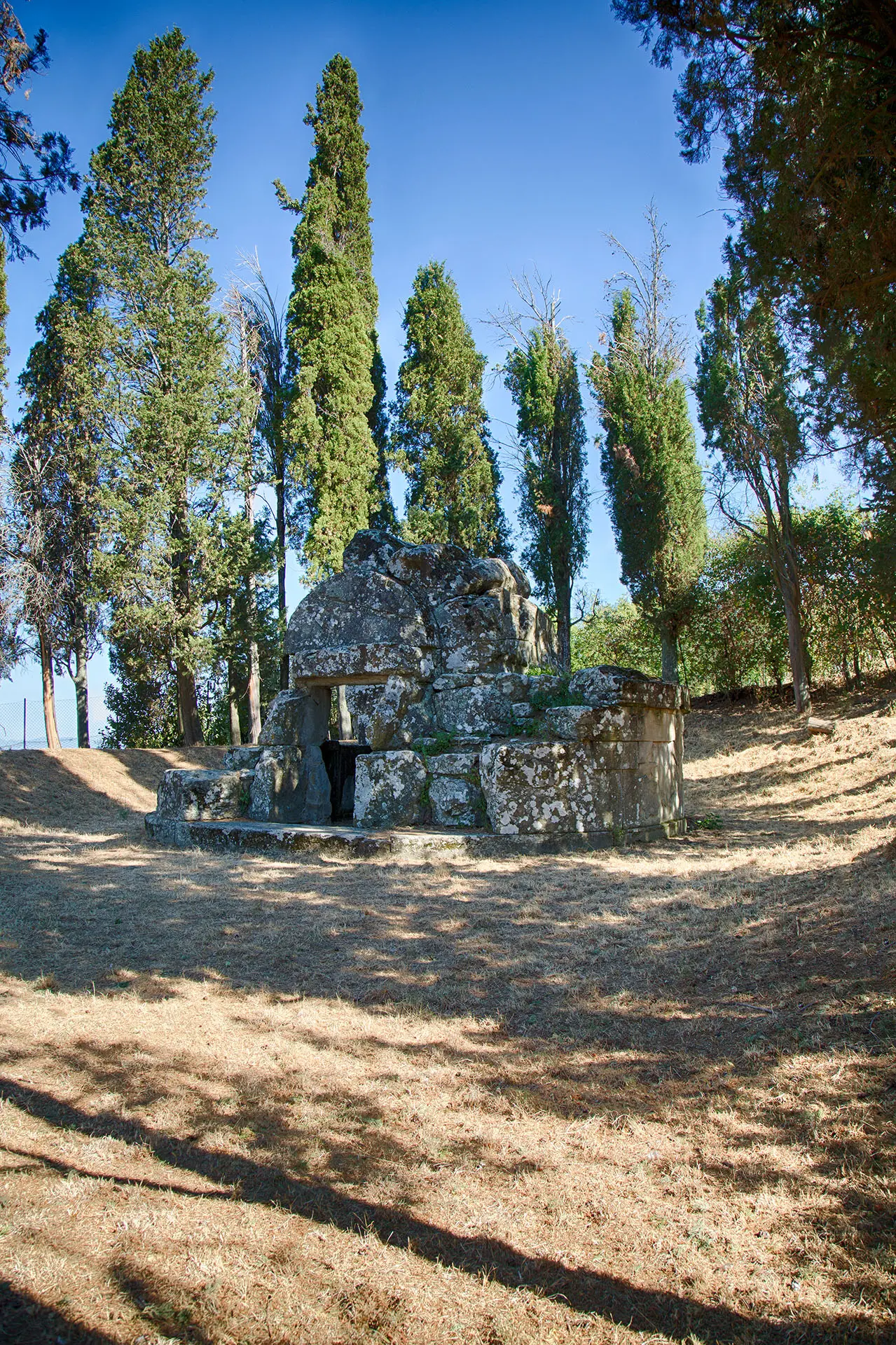
The link between museum and territory is completed with a visit to the Archaeological Area of the Sodo and to the Distributed park, where it is possible to immerse oneself in the places from which many of the finds now preserved at the MAEC Museum originate: from the mighty Etruscan walls to the evocative Porta bifora, up to the monumental tumuli of the Sodo and the Etruscan tombs such as the Tanella Angori and the Tanella di Pitagora. A unique itinerary, where the museum experience extends into the very places of discovery, in a constant dialogue between collections and territory.