
From the Secrets of Holkham Hall to the Wonders of the British Museum
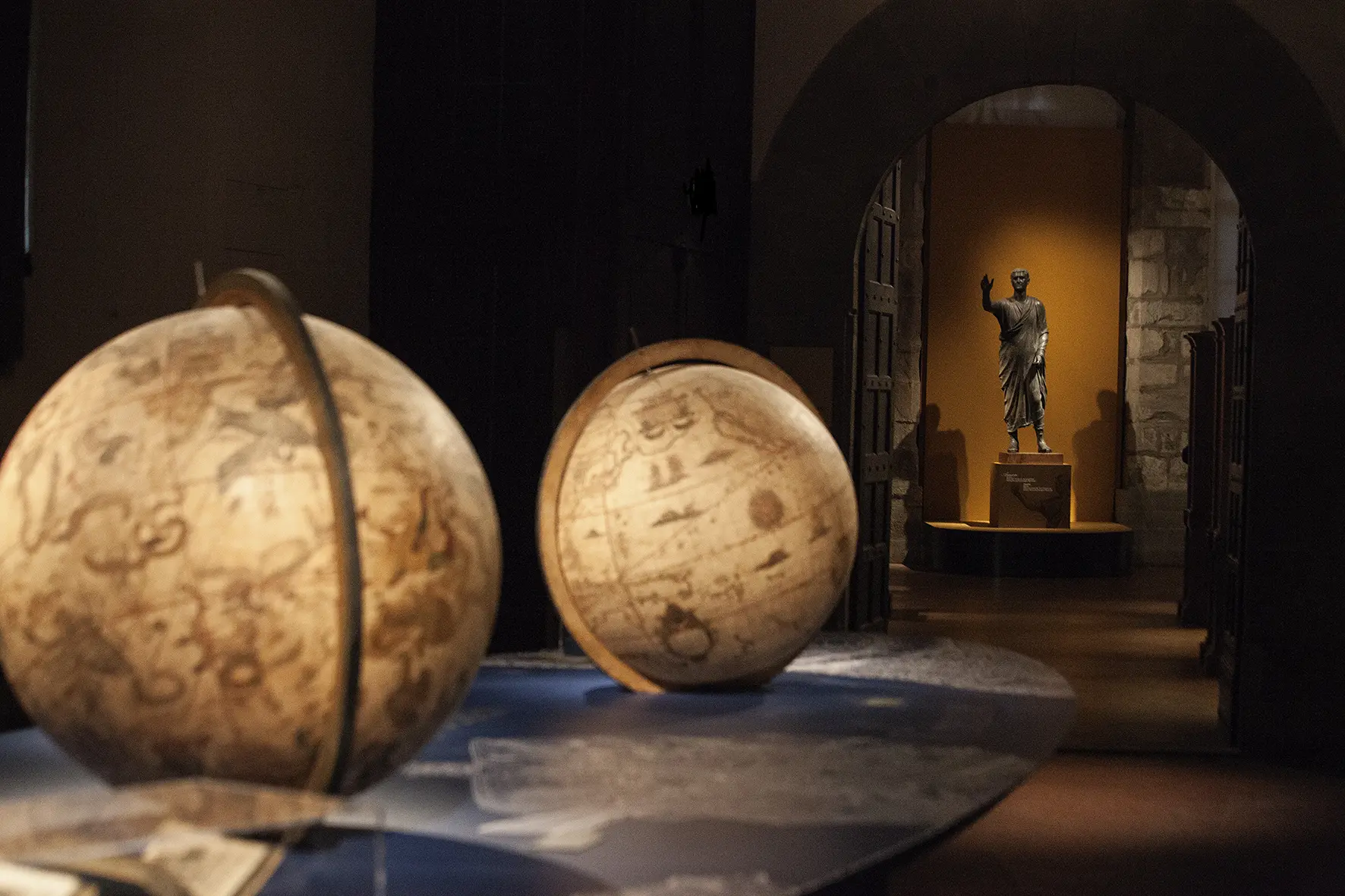
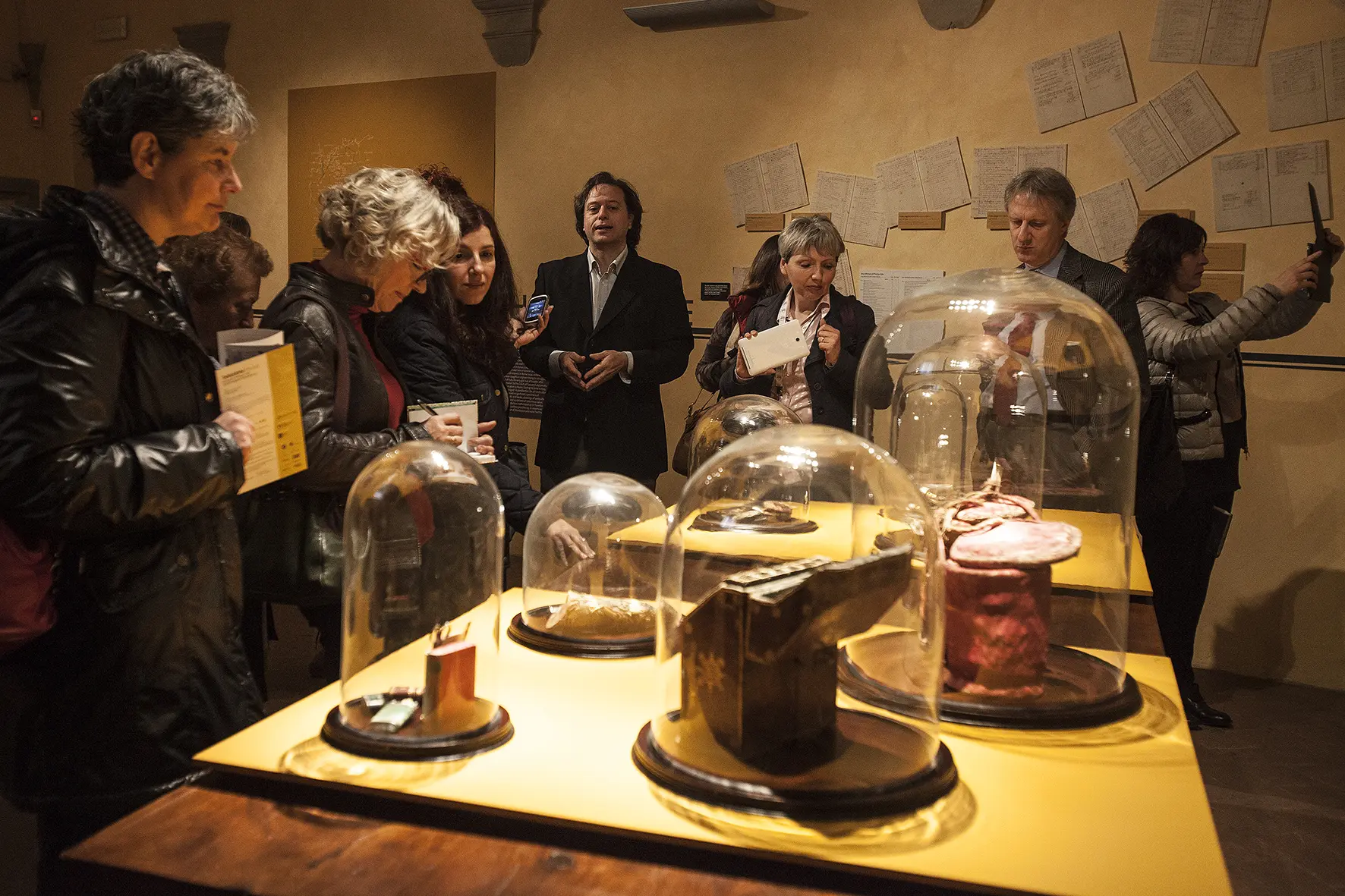
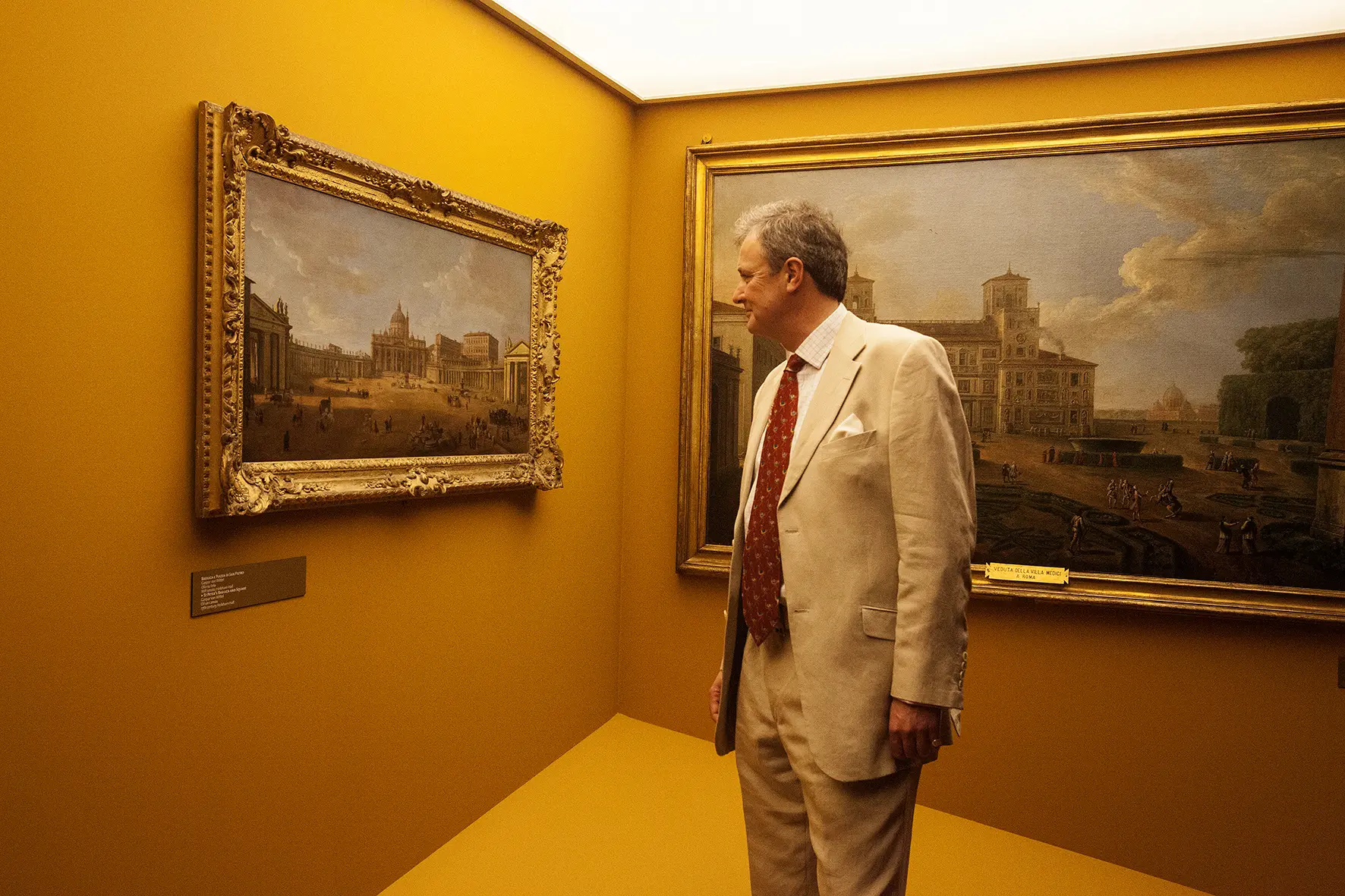
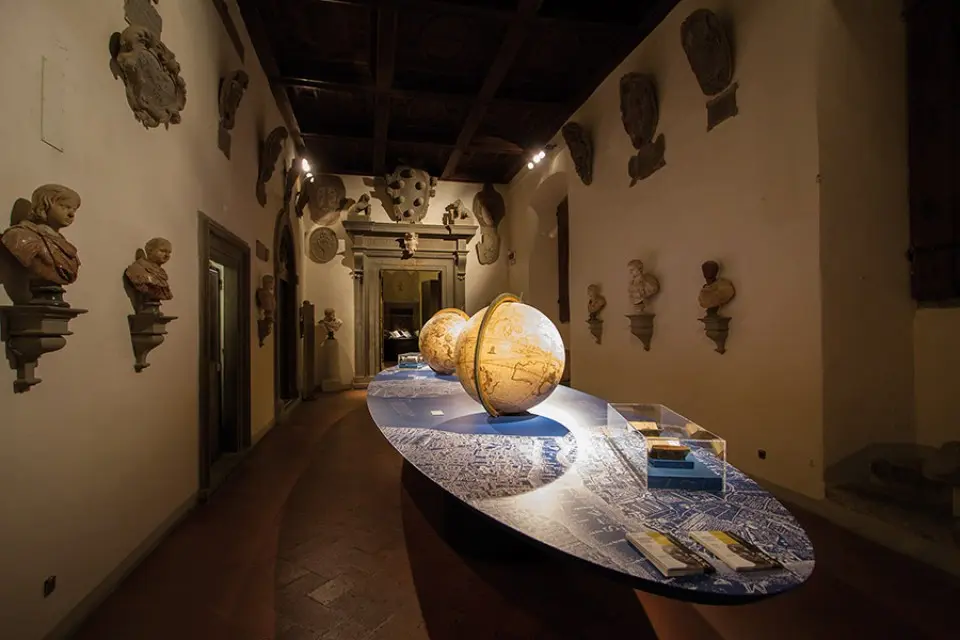
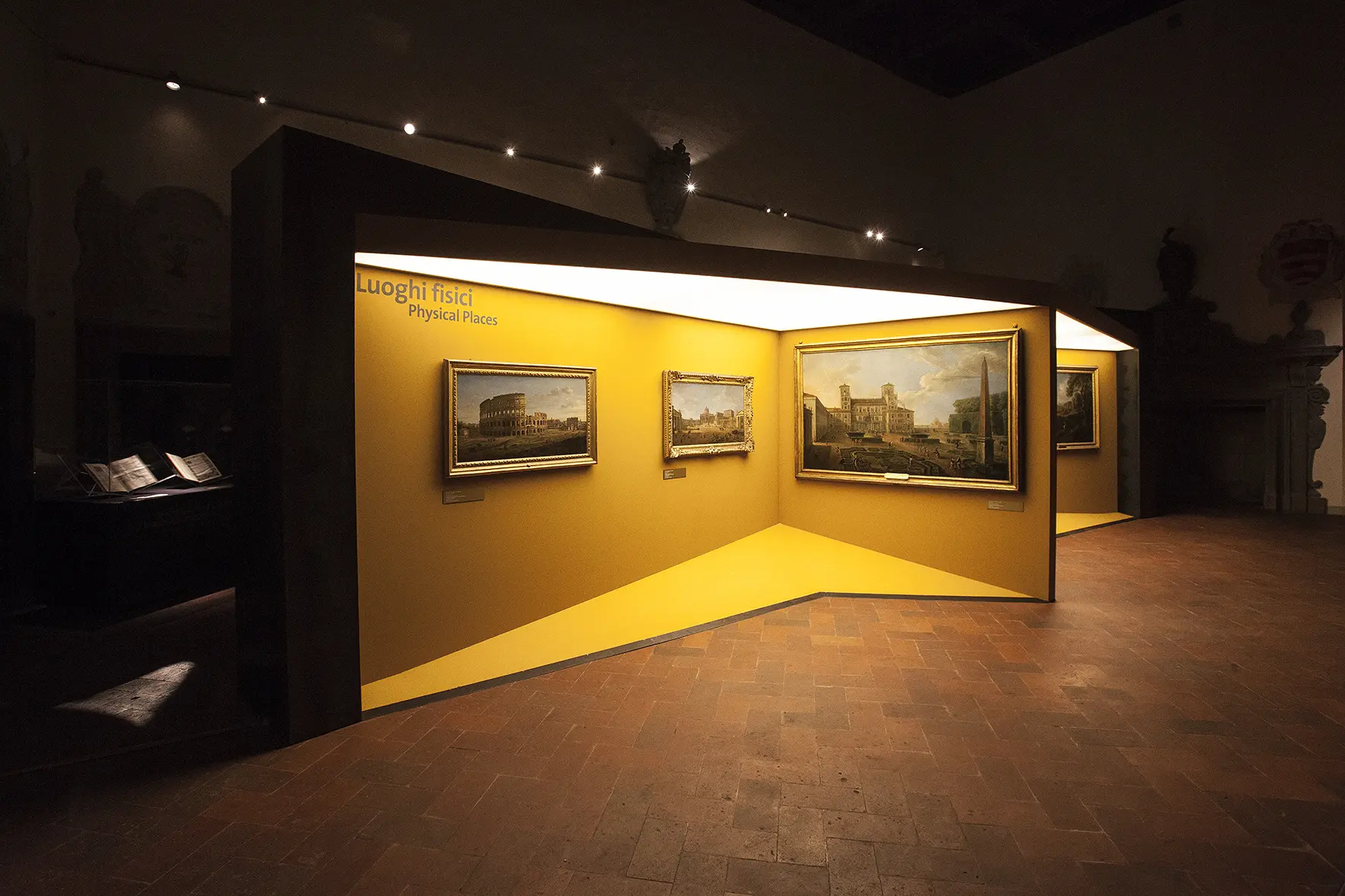
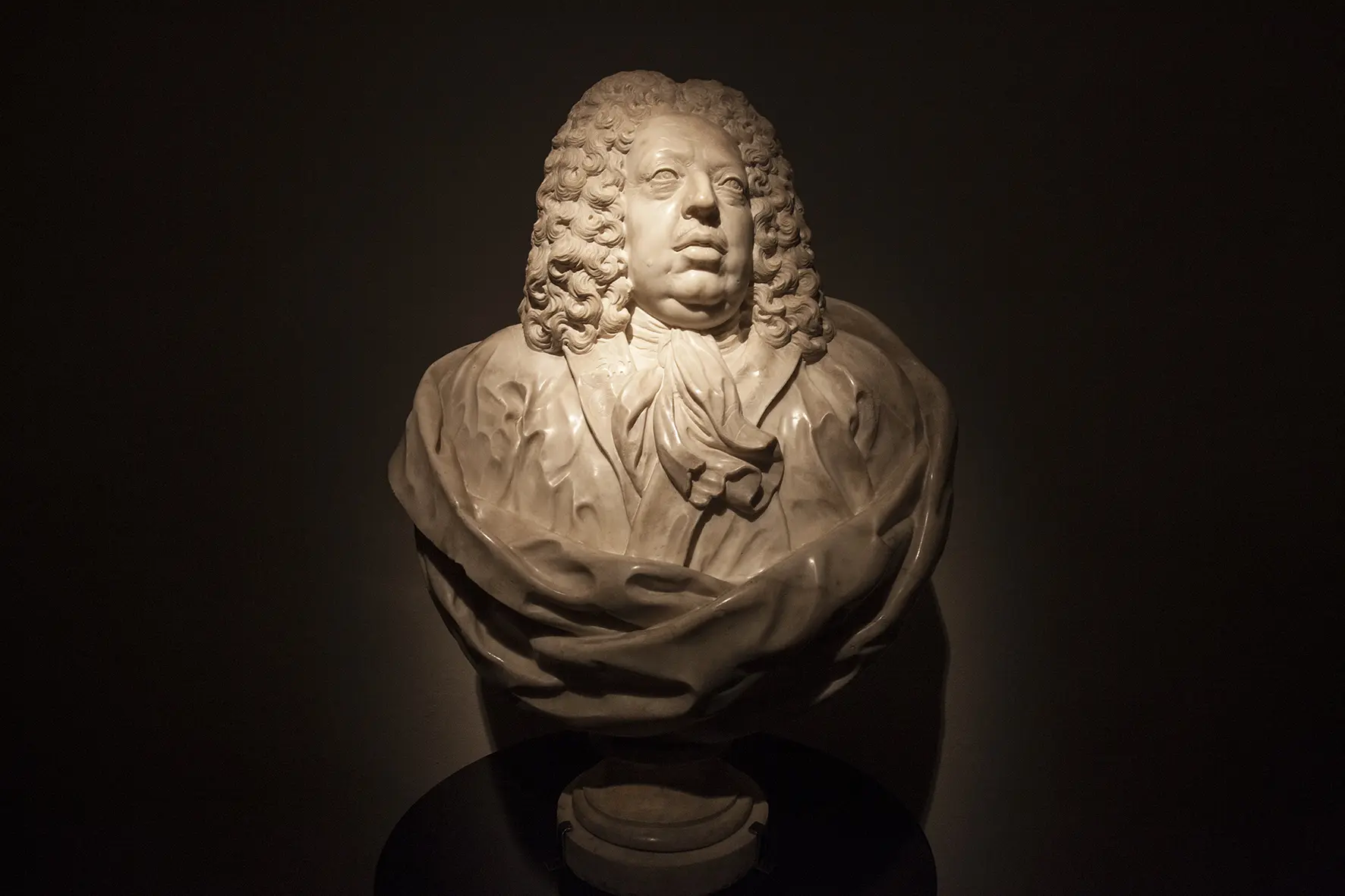
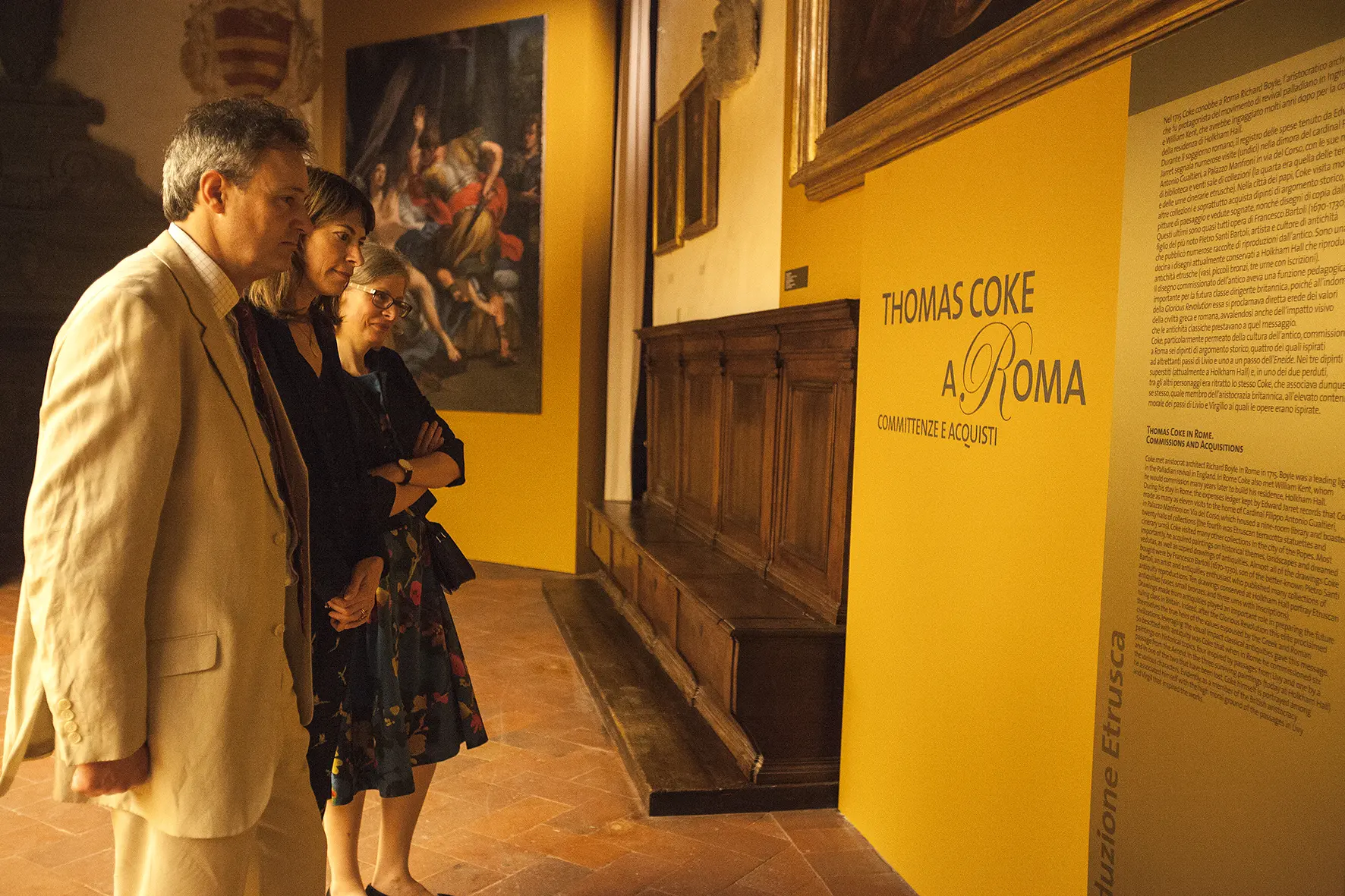
In 2014 Cortona hosted a major international exhibition dedicated to the origins of modern Etruscology and to the fascination that Etruscan civilisation exerted on Europe between the eighteenth and nineteenth centuries. Through paintings, drawings, archaeological artefacts, documents and historical objects, the exhibition reconstructed the cultural climate in which the study of the Etruscans developed and spread across Europe, transforming the ancient civilisation of central Italy into one of the most compelling subjects of antiquarian research.
Held at Palazzo Casali, home of the MAEC – Museo dell’Accademia Etrusca e della Città di Cortona, the exhibition explored the intellectual and cultural connections between Italy and the Anglo-Saxon world during the age of the Grand Tour. At the centre of the narrative was the story of De Etruria Regali libri VII, the monumental work written by the Scottish scholar Thomas Dempster and published in Florence in 1726 thanks to the support of the English aristocrat Lord Thomas Coke, later Earl of Leicester. The richly illustrated volume, featuring engraved plates depicting the most important Etruscan monuments known at the time, marked a decisive moment in the development of modern studies devoted to the ancient civilisation of Etruria.
The exhibition was inspired by the rediscovery, in the attics of Holkham Hall in Norfolk, of the original preparatory drawings and copper plates created for the illustrations of De Etruria Regali. This extraordinary discovery provided the opportunity to reconstruct the cultural context of eighteenth-century Europe, when scholars, collectors and aristocratic travellers were captivated by the mystery and artistic richness of the Etruscan world.
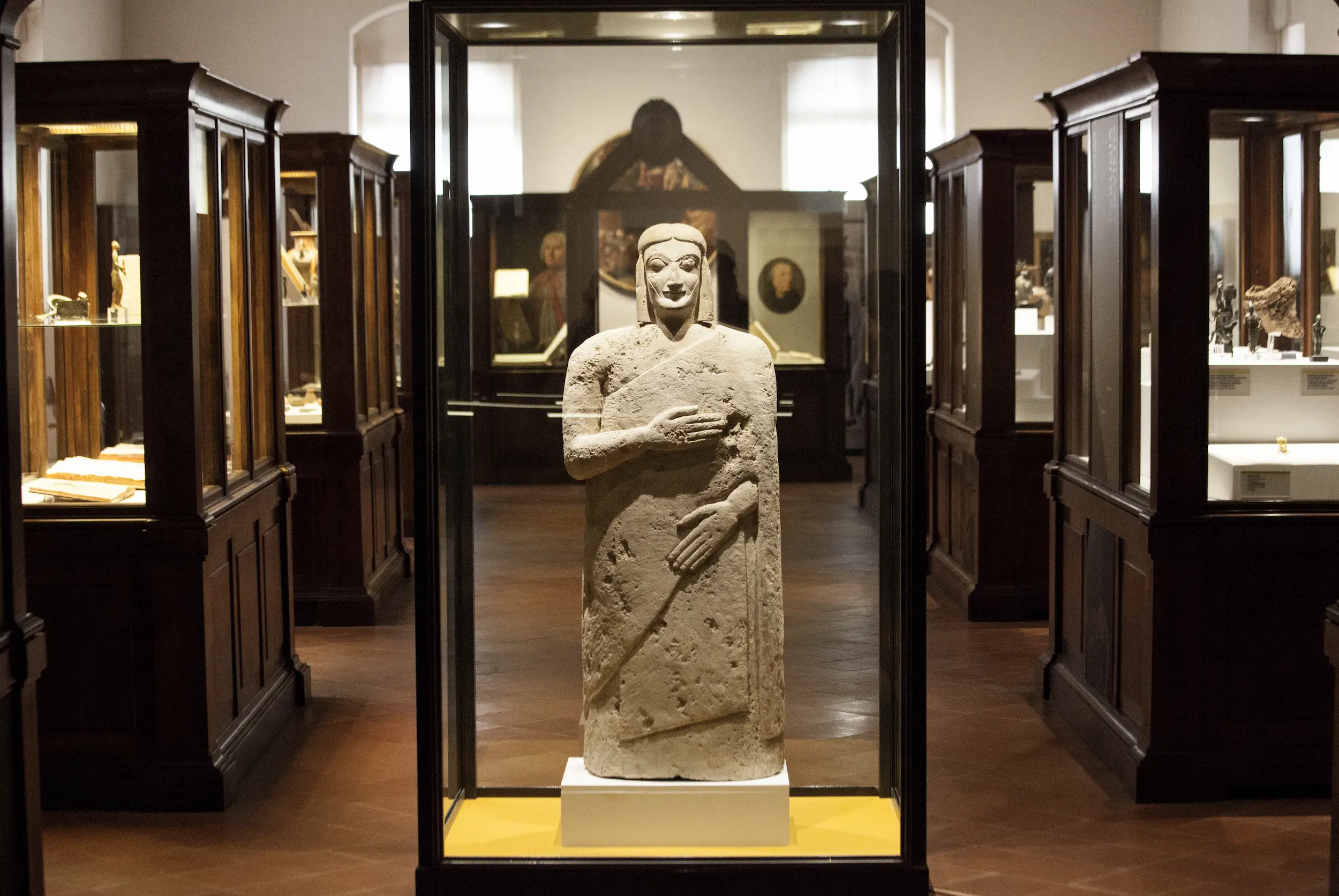
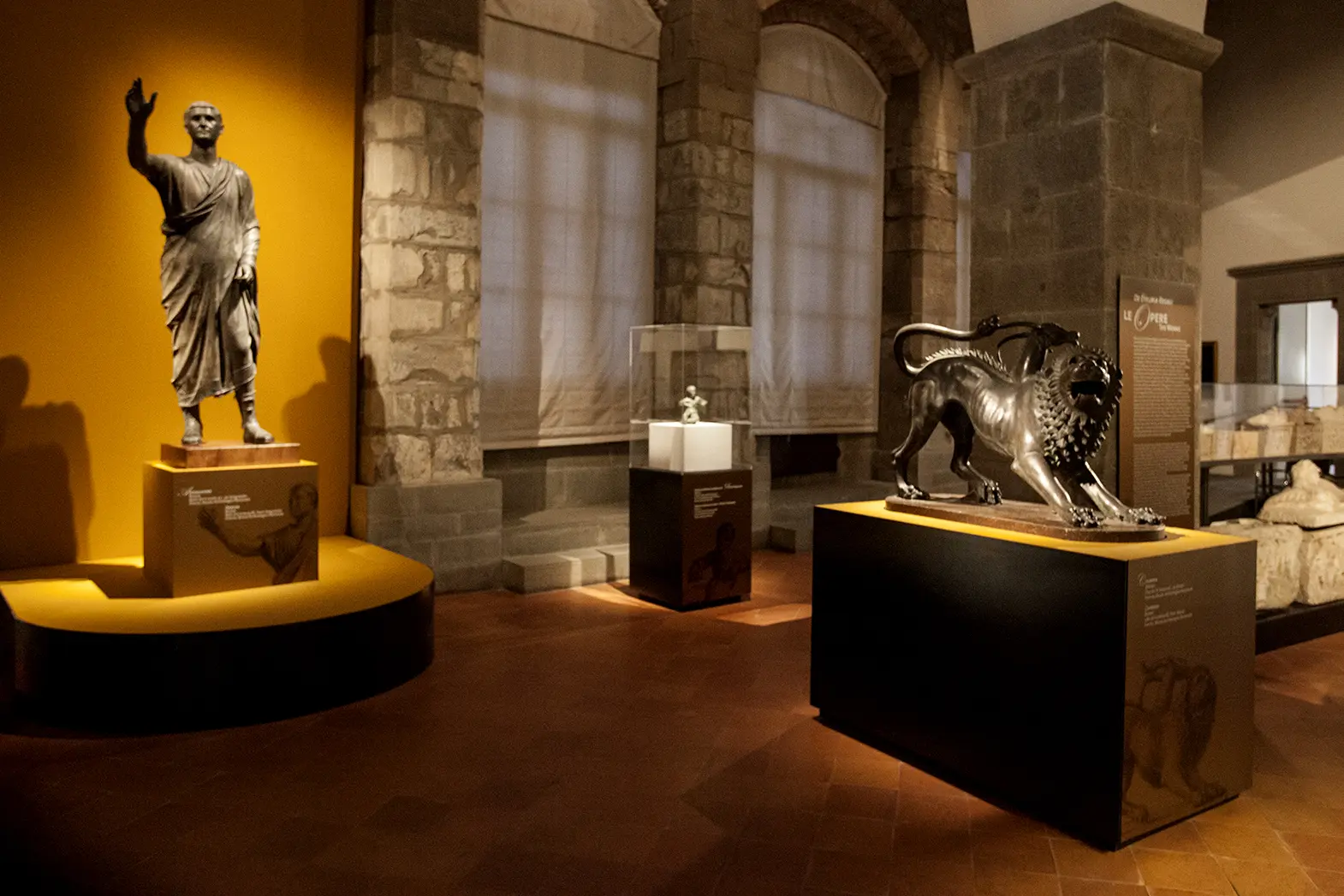
Bringing together more than 150 works, including archaeological artefacts, paintings, manuscripts, rare books and historical documents, the exhibition presented an exceptional group of loans from leading Italian and international institutions. A particularly significant section was composed of works from the British Museum, which for the first time loaned to Italy a remarkable group of Etruscan masterpieces from its collections, including bronzes, ceramics, sculptures and votive objects originating from various centres of ancient Etruria.
Cortona offered an especially meaningful setting for this exhibition. It was here, in 1727 – just one year after the publication of De Etruria Regali – that the Accademia Etrusca was founded, becoming the first European institution devoted to the systematic study of Etruscan civilisation. During the eighteenth century the Academy attracted some of the leading intellectuals of the time, including figures such as Montesquieu and Voltaire, and played a fundamental role in the development and international dissemination of Etruscan studies.
Curated by Paolo Bruschetti, Bruno Gialluca, Paolo Giulierini, Suzanne Reynolds and Judith Swaddeling, the exhibition was accompanied by an important scholarly catalogue published by Skira. The project represented a significant moment in the MAEC’s programme of international collaborations, strengthening the cultural dialogue between Cortona and major museums such as the British Museum and Holkham Hall, and reaffirming the city’s central role in the study and promotion of Etruscan civilisation.