
Tumulus I of the Sodo
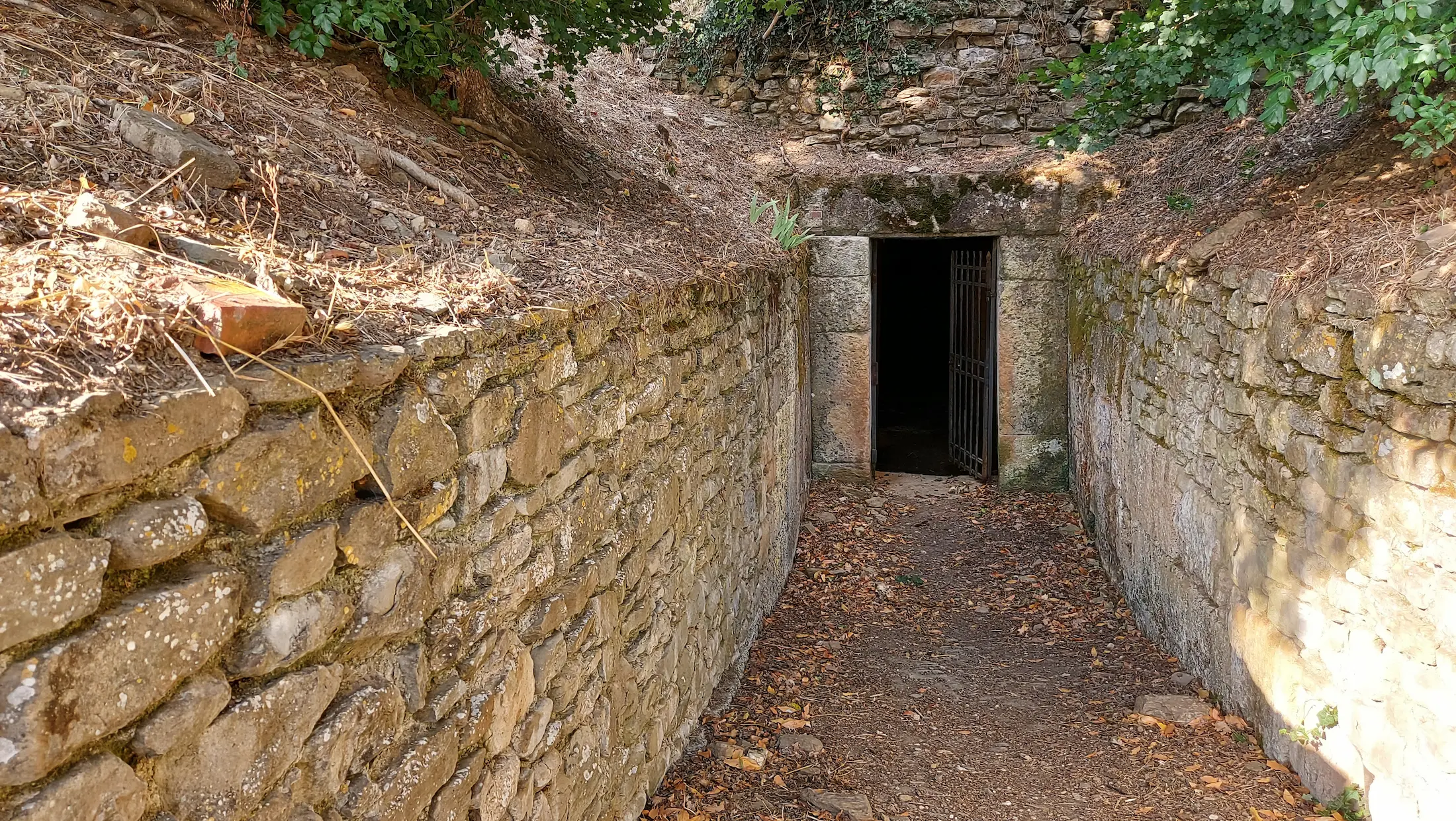
Tumulus I of the Sodo is one of the oldest Etruscan funerary monuments in Cortona. It dates to the early 6th century BC and consists of a hemispherical artificial mound enclosing a tomb built with large blocks of yellowish tufa.
The burial chamber was accessed through a long entrance corridor (dromos), once lined with travertine blocks and closed by a monumental portal, now lost. Beyond the square vestibule open five funerary chambers: two on the right, two on the left, and one at the rear, with an unusual internal passage connecting the two chambers on the left.
The roofing, partly preserved, is made of tufa blocks arranged in stepped courses forming a pseudo-vault, one of the most ingenious architectural solutions of the period. At the base of the mound runs a simple band of stones marking its perimeter.
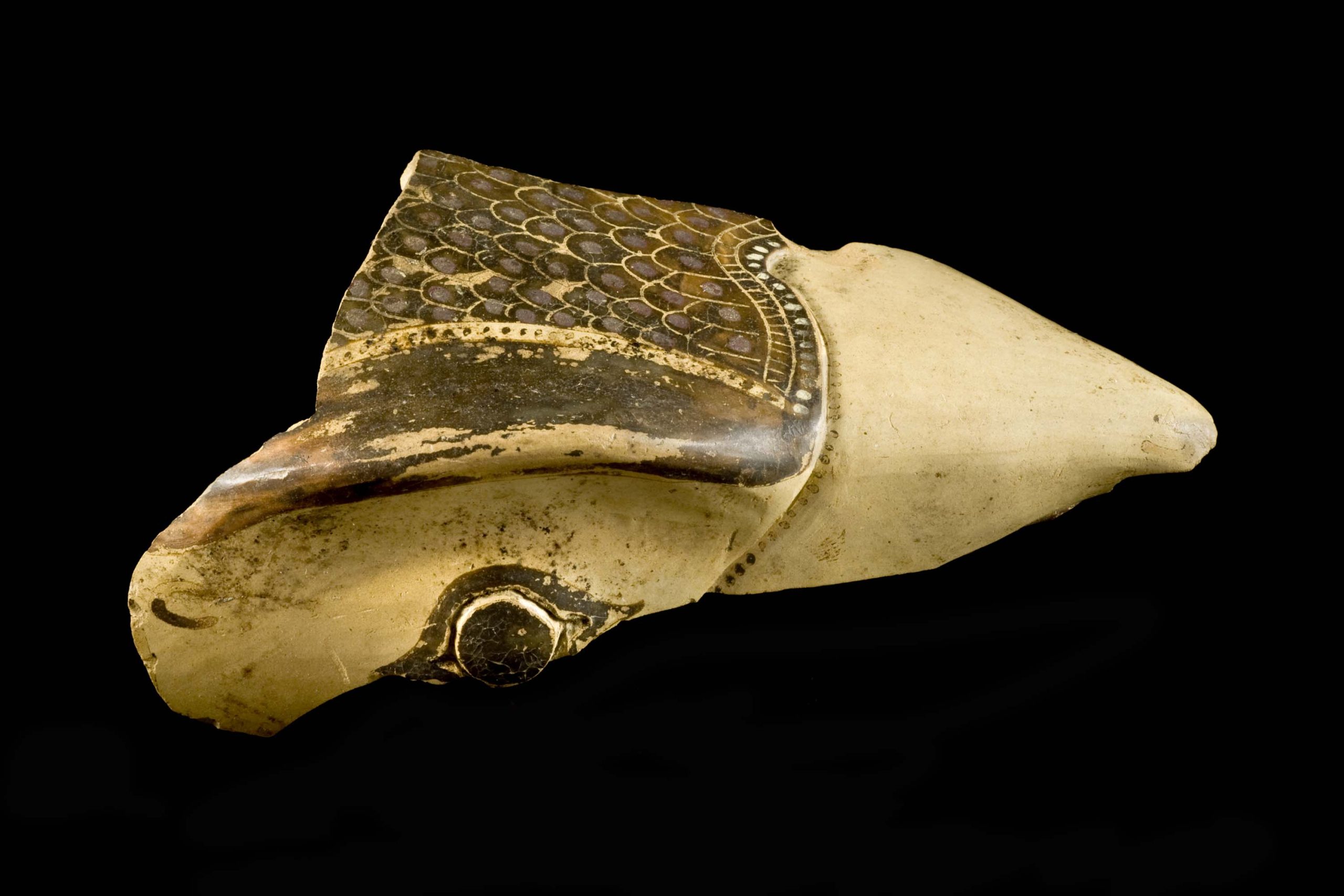
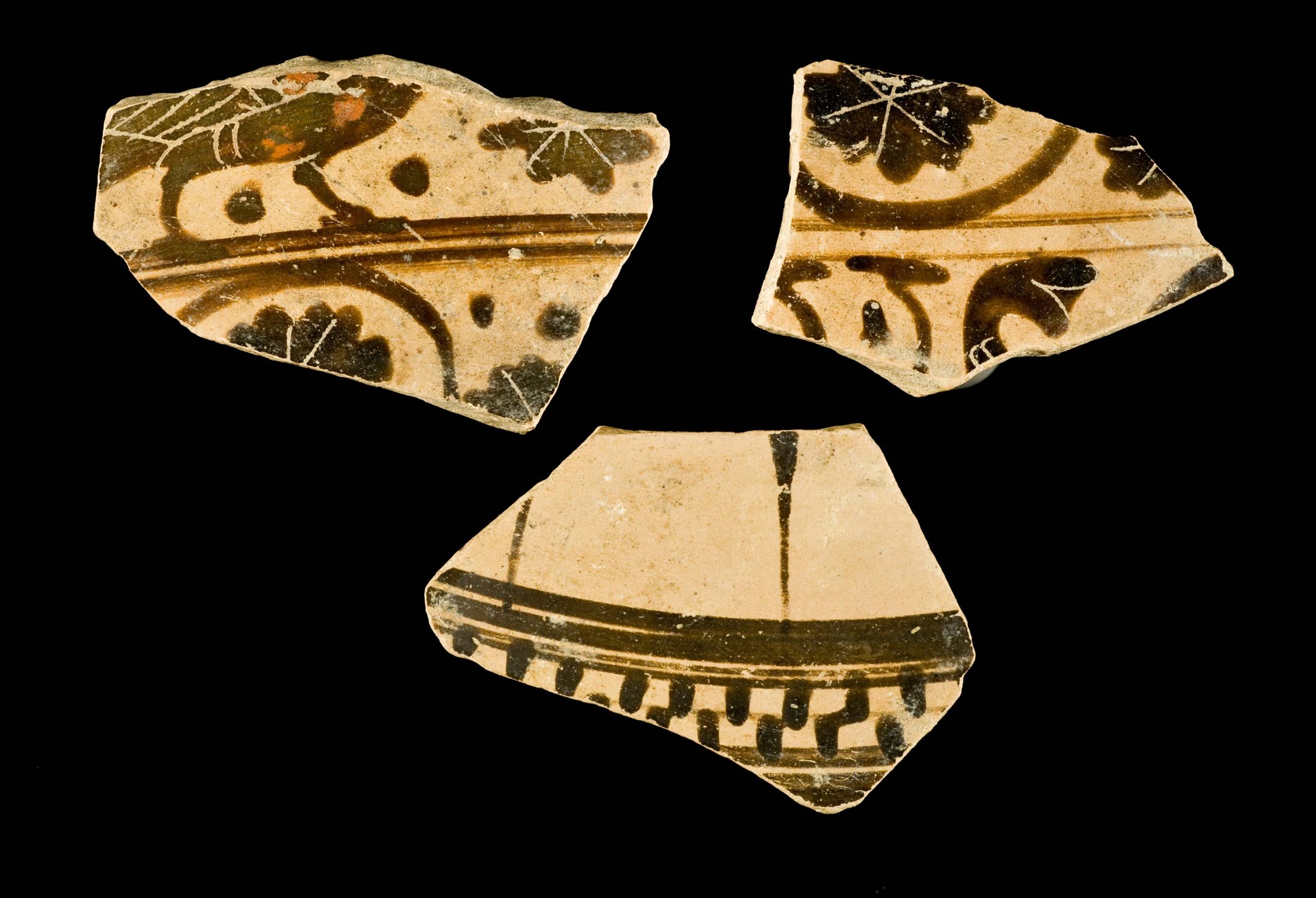
Known since the Middle Ages and officially excavated in 1909, the monument yielded fragmentary but precious grave goods, including bucchero, ivories, and Etrusco-Corinthian ceramics, now preserved at the MAEC.
An inscription carved on one of the inner walls recounts the final phase of the tumulus: in the 4th century BC it became the property of the Cortonese family hapisnei, and mentions velia hapisnei, probably the owner, connected to arnt mefanates, a man originating from Mevania (present-day Bevagna, in Umbria), a sign of a period in which cultures and identities intertwined between Etruria and Umbria.